AMD’s Ryzen 7 9800X3D has become a lightning rod for reliability concerns, with reports of dead-on-arrival units sparking debates among enthusiasts. Yet, fresh data from a large German distributor paints a more nuanced picture: when measured against other high-end CPUs, the 9800X3D’s return rate is not an outlier—it’s among the best in AMD’s latest lineup.
Over roughly one month of tracking, the boxed Ryzen 7 9800X3D recorded an RMA rate of just 0.71%, placing it closely behind only the Ryzen 9 9950X3D (0.51%) as the most stable SKU in AMD’s Ryzen 9000 series. Even the Ryzen 7 9700X, a non-X3D model, saw a higher return rate at 0.85%. These figures align with previous-generation trends, where the Ryzen 7 7800X3D led with a 0.49% RMA rate—lower than most of its contemporaries.
The contrast with Intel’s Core i9 14900K is stark. The flagship Intel CPU, already notorious for instability issues, posted a 4.61% RMA rate—nearly seven times higher than the 9800X3D. This gap underscores how AMD’s latest processors, despite their own flaws, are performing more consistently than Intel’s top-tier offering.
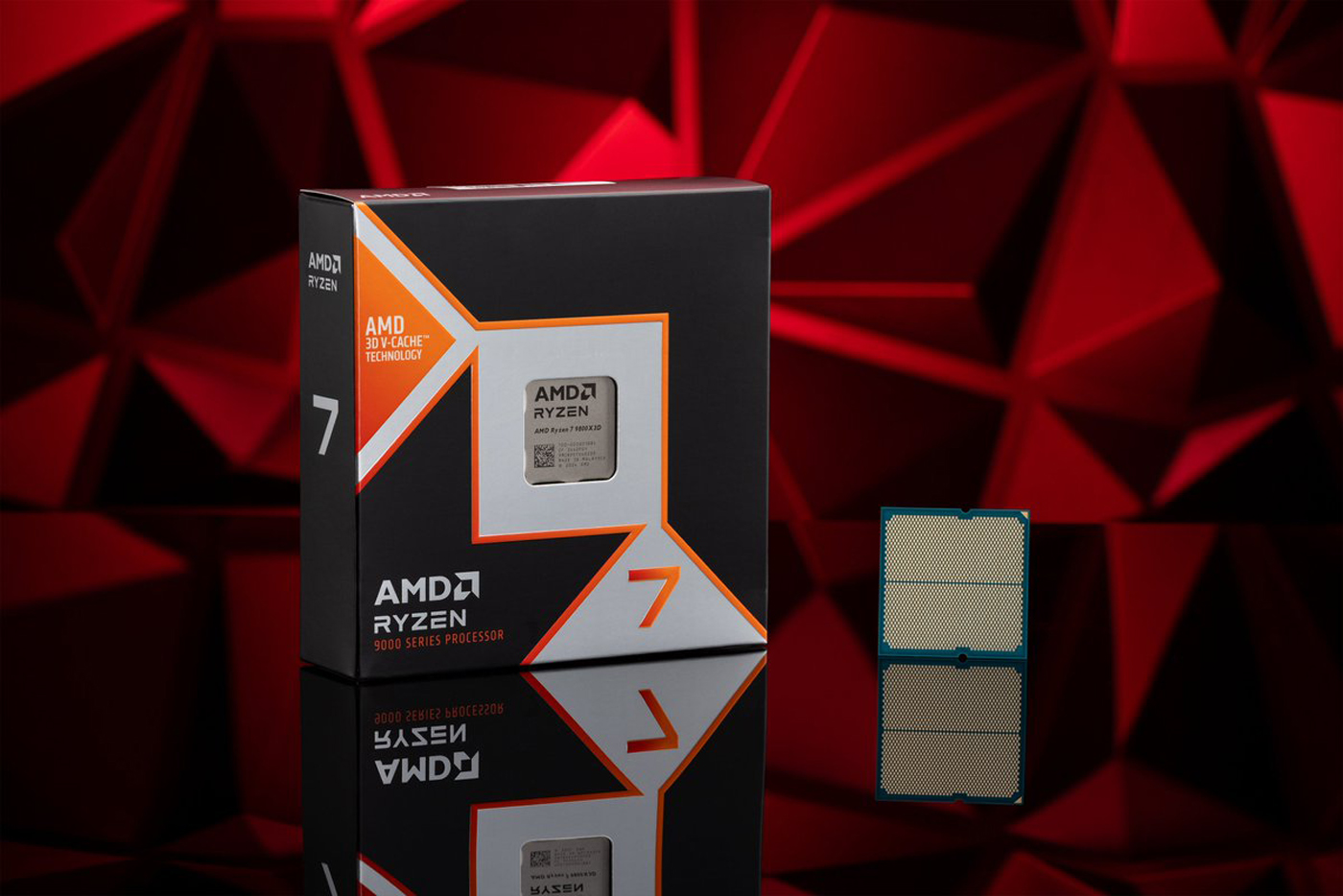
- Ryzen 7 9800X3D: 8 cores/16 threads, 5.0 GHz boost, 3D V-Cache, 128MB L3 cache, AM5 socket, 170W TDP.
- Ryzen 9 9950X3D: 16 cores/32 threads, 5.2 GHz boost, 3D V-Cache, 256MB L3 cache, AM5 socket, 170W TDP.
- Core i9 14900K: 24 cores/32 threads, 6.0 GHz boost, 36MB L3 cache, LGA1700 socket, 150W PL1/PL2.
For gamers and content creators, the 9800X3D’s reliability data is a mixed bag. While the RMA figures suggest it’s holding up better than many assume, the sheer volume of anecdotal failure reports—often tied to specific motherboard pairings—means buyers should still proceed with caution. AMD’s ongoing investigations into the issue, combined with motherboard partner updates, may clarify whether these are isolated defects or systemic problems.
What’s clear is that the 9800X3D’s performance per watt remains unmatched in its class, delivering 10–15% better gaming FPS than the non-X3D 9700X thanks to its 3D V-Cache architecture. However, the trade-off is higher power draw and thermal output, requiring robust cooling. The 9950X3D offers even greater multi-core performance for productivity workloads but at a premium price.
For those weighing options, the 9800X3D remains a compelling choice for high-refresh gaming rigs, provided compatibility testing with motherboards continues to improve. Meanwhile, Intel’s 14900K, despite its raw core count, may still be the riskier bet for stability-critical builds.