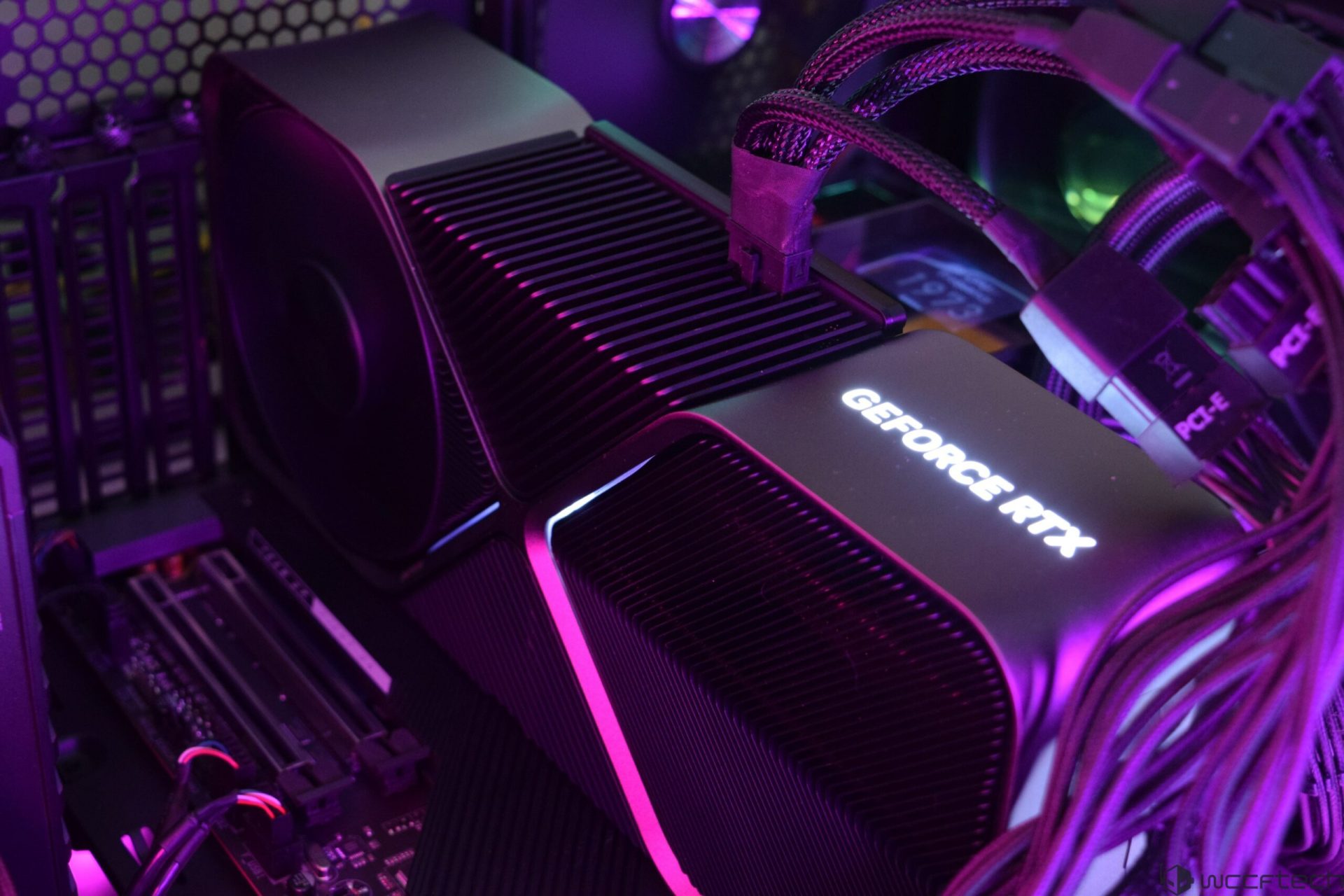
The 16-pin 12V-2x6 connector on NVIDIA’s RTX 5090 has become a recurring failure point, with users reporting melting issues even after nearly a year since its launch. The problem, which dates back to the RTX 4090 era, persists due to design flaws that force uneven power distribution, leading to extreme heat and potential damage.
NVIDIA’s Blackwell-based RTX 5090, rated at 575W TGP, pushes more current through fewer pins than its predecessor. While the newer ATX 3.1 standard introduced slight design improvements—shorter sense pins and longer power/ground pins—the core issue remains. Under full load, connectors can reach temperatures exceeding 150°C on the PSU side and nearly 90°C on the GPU side, even with proper connections.
- Key specs:
- RTX 5090 TGP: 575W (up from 450W on RTX 4090)
- 12V-2x6 connector temperature: Up to 150°C under load
- Recommended PSU wattage: Minimum 1000W, ideally 1200W+
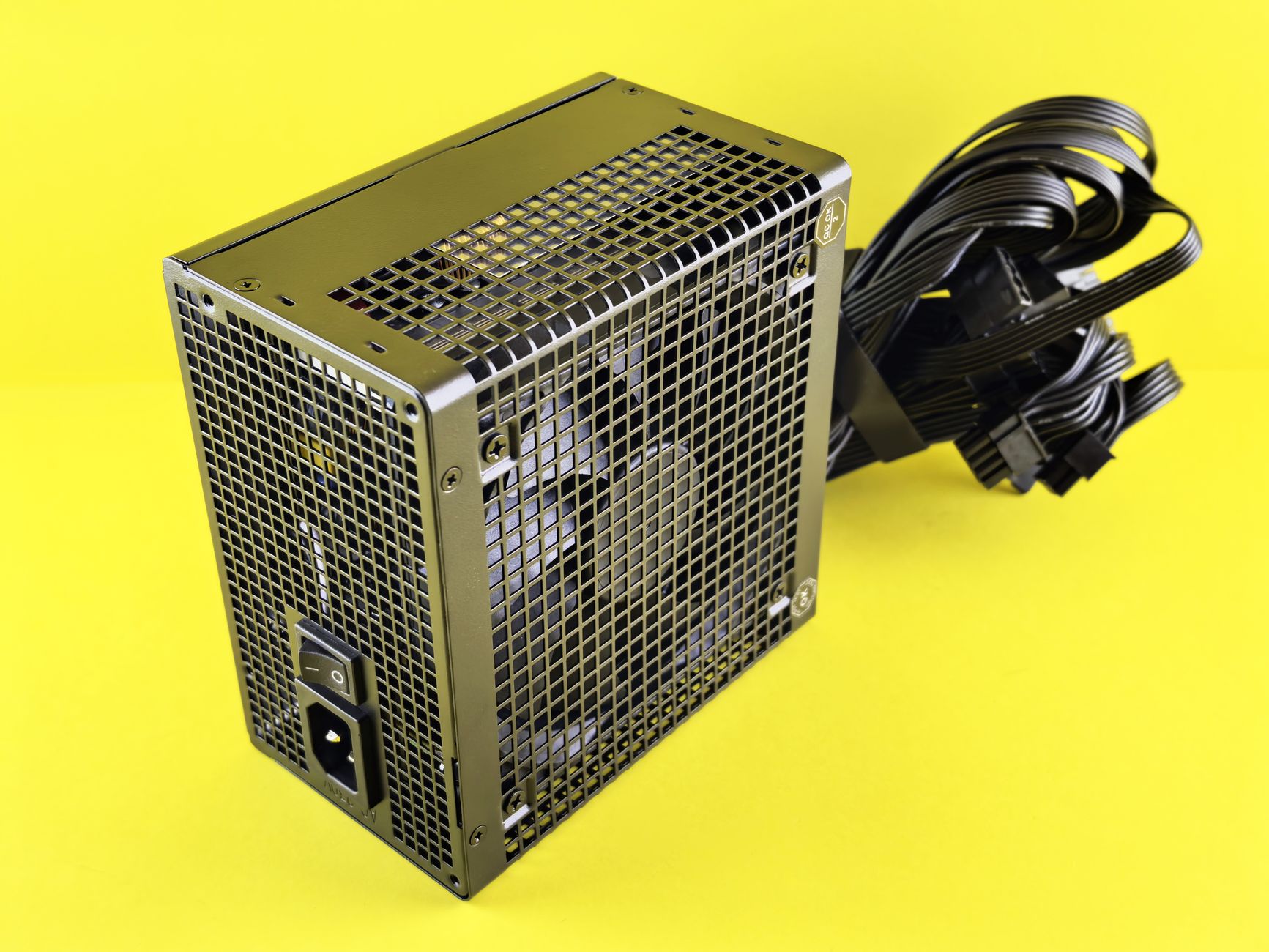
The problem isn’t limited to the GPU side; PSU connectors also fail, and some users have reported melting even after reducing power limits. While NVIDIA and AIBs like MSI and ASRock have introduced minor mitigations—such as yellow-tipped adapters or PSUs with built-in temperature monitoring—the fundamental design flaw hasn’t been addressed.
For users, the best defense remains careful cable management, avoiding 8-pin to 16-pin adapters, and investing in high-quality, ATX 3.1-compliant power supplies. Devices like Thermal Grizzly’s WireView Pro 2 offer real-time monitoring but come at a cost. Until NVIDIA revises the connector design, melting incidents will likely continue, making this a critical concern for enthusiasts running high-power setups.