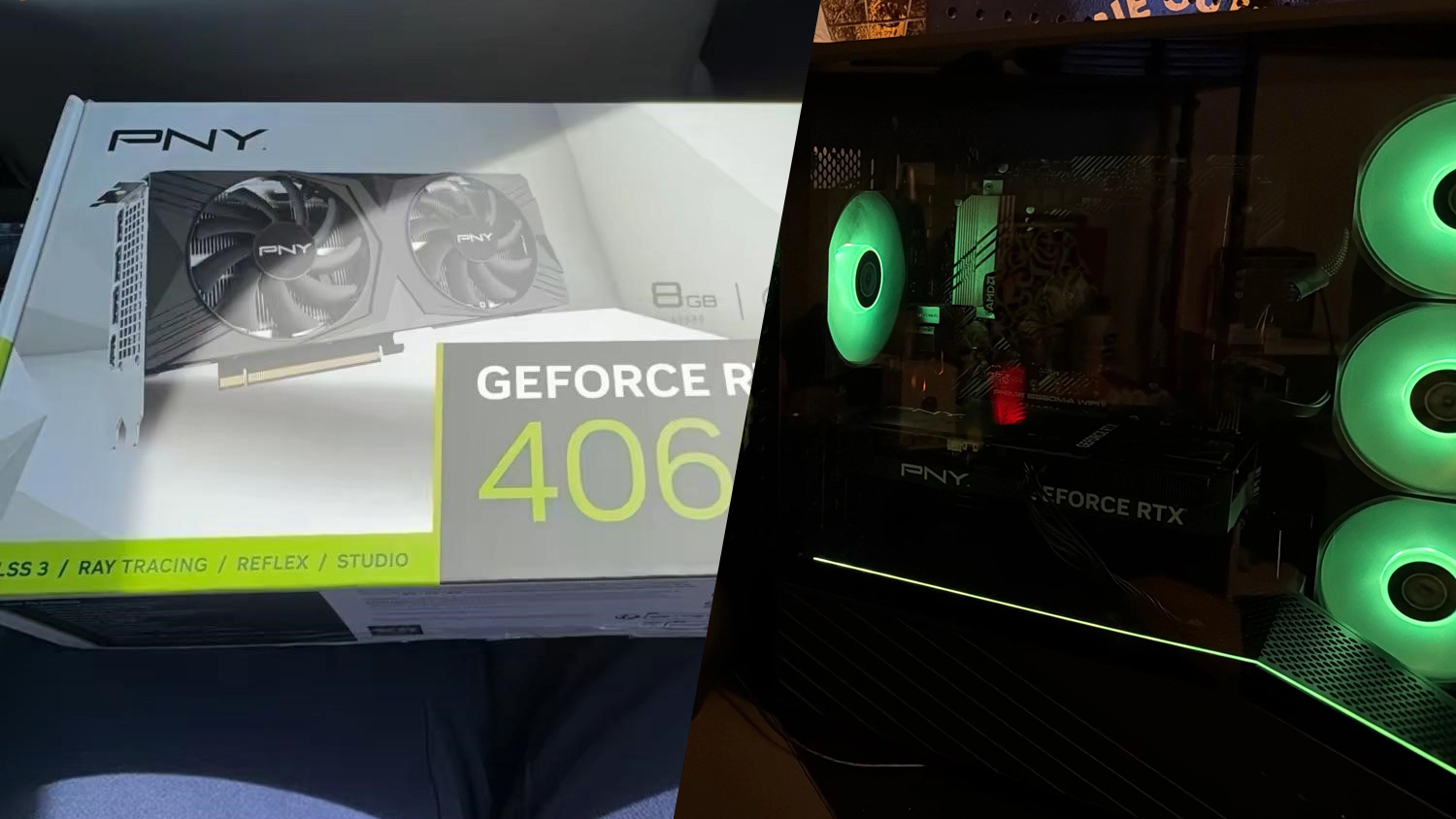
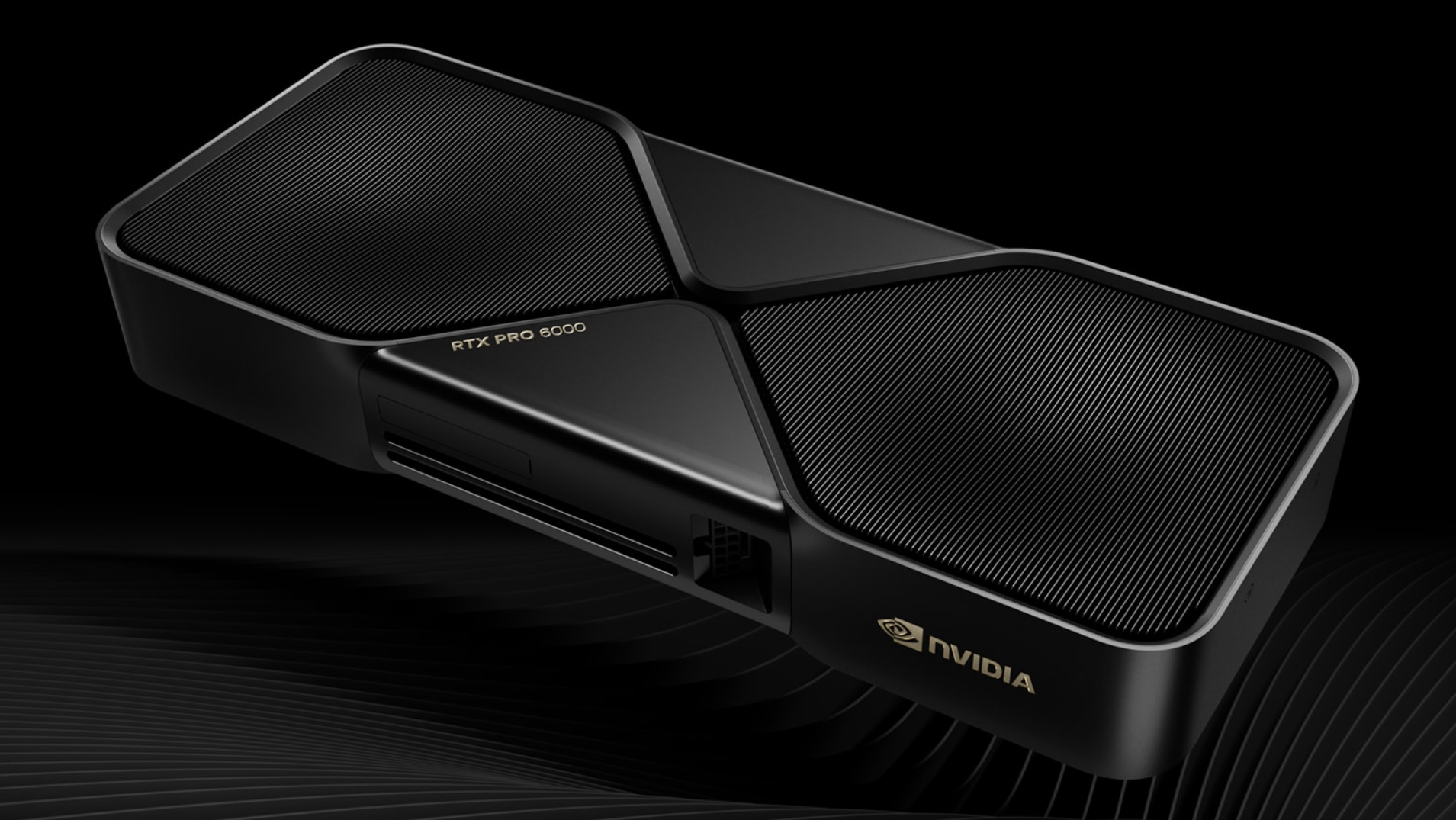
The latest generation of graphics processing units (GPUs) has taken a bold step forward with the introduction of a model designed to push the boundaries of what’s possible in high-end PC builds. This new GPU, codenamed RTX 5080, brings with it a suite of technical advancements that focus on raw performance, efficiency, and cost-effectiveness—key considerations for builders and enthusiasts alike.
At the heart of this new architecture is a shift in how memory and storage are handled. The RTX 5080 abandons traditional GDDR6 in favor of DDR5, a move that significantly increases bandwidth while also reducing power consumption. This isn’t just about raw speed; it’s about rethinking how GPUs interact with system memory, potentially unlocking new levels of efficiency for both gaming and professional workloads.
The GPU itself is built on an 8-nanometer process, packing in a substantial 24GB of VRAM—a notable jump from the 16GB seen in its predecessor. This increase in memory capacity addresses one of the most common pain points in high-end PC builds: running out of VRAM when pushing resolutions or textures to their limits. Whether it’s rendering complex scenes, streaming at ultra-high settings, or handling AI-driven workloads, the additional VRAM provides a buffer that keeps performance smooth and responsive.
- Memory: DDR5 with 24GB VRAM
- Storage (if applicable): 512GB SSD (for some configurations)
- Chip: Custom 8nm architecture, 20W TDP for efficiency
- Performance: Designed for high-refresh-rate gaming and professional workloads
The shift to DDR5 isn’t just about raw performance metrics; it’s a strategic move that could lower operational costs over time. DDR5 modules, while more expensive upfront, are expected to offer better longevity and scalability as system requirements evolve. This means builders can future-proof their setups without sacrificing immediate performance gains.
For users who prioritize storage alongside compute power, some configurations of the RTX 5080 include a built-in 512GB SSD. While not a standard feature across all models, this integration is a nod to the growing demand for all-in-one solutions that streamline workflows—whether it’s for content creation, video editing, or high-end gaming. The inclusion of such storage also hints at a broader trend where GPUs are becoming more than just processing units; they’re evolving into comprehensive components that integrate multiple system functions.
However, the transition to DDR5 and the increased VRAM capacity come with their own set of considerations. DDR5’s higher power draw means that systems will need to be carefully balanced to avoid thermal throttling or power supply bottlenecks. Additionally, while 24GB of VRAM is a significant leap, it may not be necessary for every use case—especially in gaming, where 16GB has long been the sweet spot for most users. Builders will need to weigh their specific needs against the added cost and complexity.
Looking ahead, the RTX 5080 represents a pivotal moment for the GPU market. It signals a shift toward more integrated, efficient, and capable hardware that blurs the lines between discrete components. For PC builders, this means a renewed focus on system-level optimization—balancing GPUs, CPUs, memory, and storage to maximize performance while keeping operational costs in check.
The most immediate takeaway for users is clear: if you’re building or upgrading a high-end system, the RTX 5080 offers a compelling package of performance, efficiency, and future-proofing. Whether it’s through DDR5’s bandwidth advantages or the expanded VRAM capacity, this GPU is designed to meet the demands of tomorrow’s workloads today.