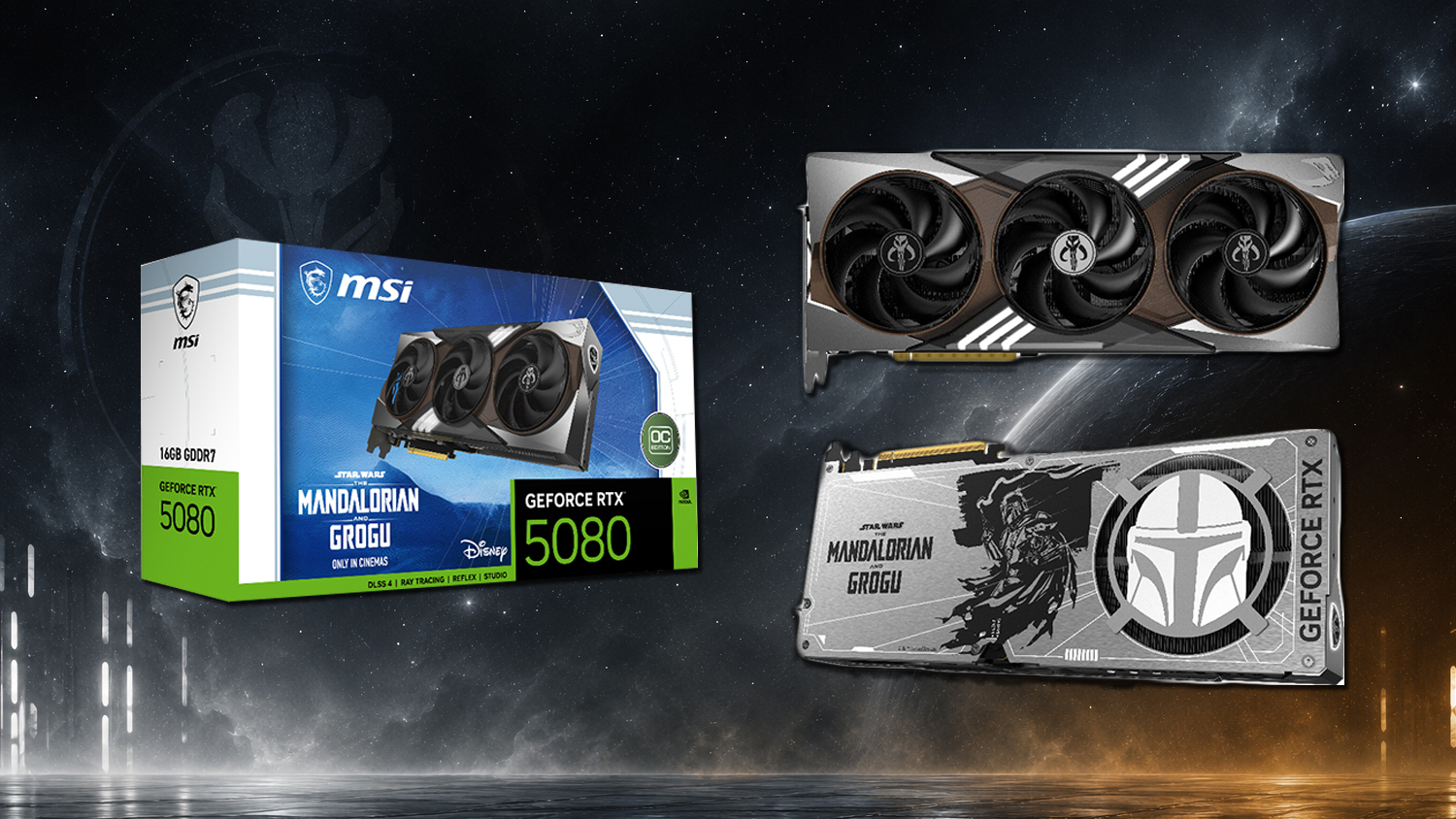
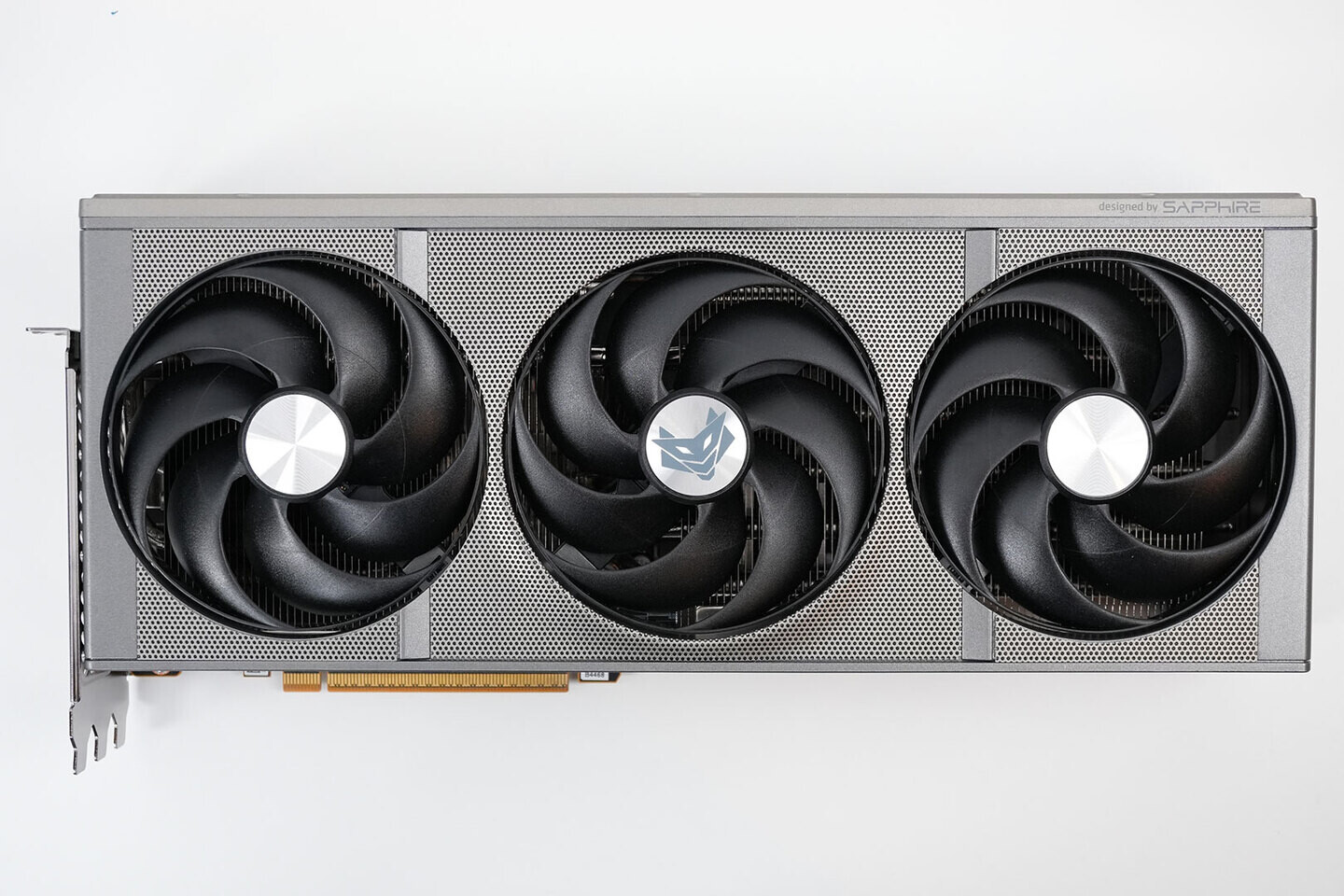
The RTX 5080 is NVIDIA’s latest attempt to redefine what a high-end GPU should look like. By adopting a single-slot form factor, it addresses one of gaming’s most persistent challenges: case congestion. However, the decision to shrink its footprint comes with implications that extend beyond mere aesthetics.
Performance remains a key differentiator for the RTX 5080. It maintains the same level of output as its predecessors, including 16GB of GDDR7 memory and an Ampere-based architecture, ensuring it can handle the most demanding titles without compromise. Benchmark results suggest it matches or exceeds the performance of the RTX 4090, reinforcing its position at the top of NVIDIA’s lineup. Yet, the single-slot design introduces constraints that may not be immediately obvious.
The most immediate consequence is the loss of flexibility in multi-GPU configurations. Dual-slot GPUs have long been a staple for enthusiasts who prioritize raw power over space efficiency. The RTX 5080 eliminates this option, which could disappoint those who rely on stacked setups or who prefer the additional airflow that dual-slot designs often provide. For most gamers, however, this limitation may be overshadowed by the practical benefits of a more compact form factor.
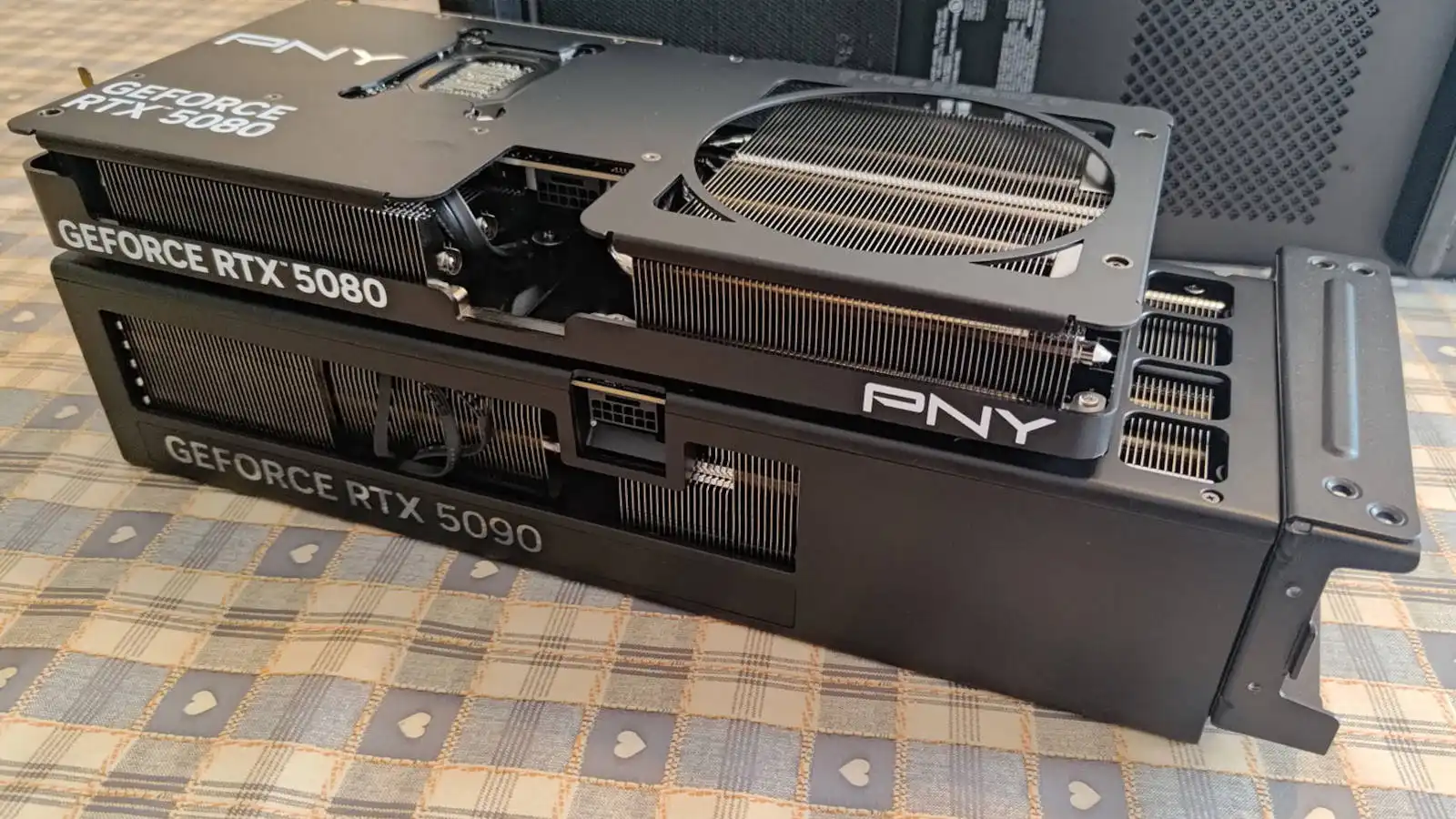
For system builders, the RTX 5080’s smaller size offers tangible advantages. Mid-tower cases, which are already space-constrained, can now accommodate high-end GPUs without forcing sacrifices elsewhere in the build. The reduced TDP—320W under typical conditions and up to 450W under load—also means less strain on power supplies and cooling solutions, which could extend the lifespan of both components. However, those with existing dual-slot setups may find the transition jarring, particularly if their case or motherboard relies on the extra space.
The trade-off between efficiency and flexibility is the defining characteristic of the RTX 5080. On one hand, it delivers performance that rivals its predecessors while freeing up room in a case, making it an attractive option for those who prioritize convenience and power density. On the other, it removes options that enthusiasts have come to expect from flagship GPUs. Whether this shift is a net positive depends largely on individual needs.
For now, the RTX 5080 remains an unconfirmed product with no clear release window or pricing details. If NVIDIA’s track record holds, it will likely position itself at the high end of the market, targeting users who demand the best performance without regard for cost. Gamers should prepare for a product that pushes the boundaries of efficiency but does so at the expense of traditional flexibility.