The ASUS T1 RTX 5070 and RTX 5060 Ti graphics cards are designed to bring high-performance computing into tight spaces, making them ideal for small businesses that need robust graphics without sacrificing desk real estate. These cards pack the latest NVIDIA Ada Lovelace architecture into a compact form factor, balancing power and portability.
- GPU Model: GeForce RTX 5070 (24GB GDDR6) / RTX 5060 Ti (16GB GDDR6)
- Architecture: NVIDIA Ada Lovelace
- Memory: 24GB (RTX 5070) or 16GB (RTX 5060 Ti) GDDR6, 192-bit bus
- Display Outputs: 3x DisplayPort 2.1, HDMI 2.1, USB-C with DP Alt Mode
- Power Draw: 225W (RTX 5070) / 180W (RTX 5060 Ti)
- Cooling: Dual-fan design with 0dB stop-and-go fans
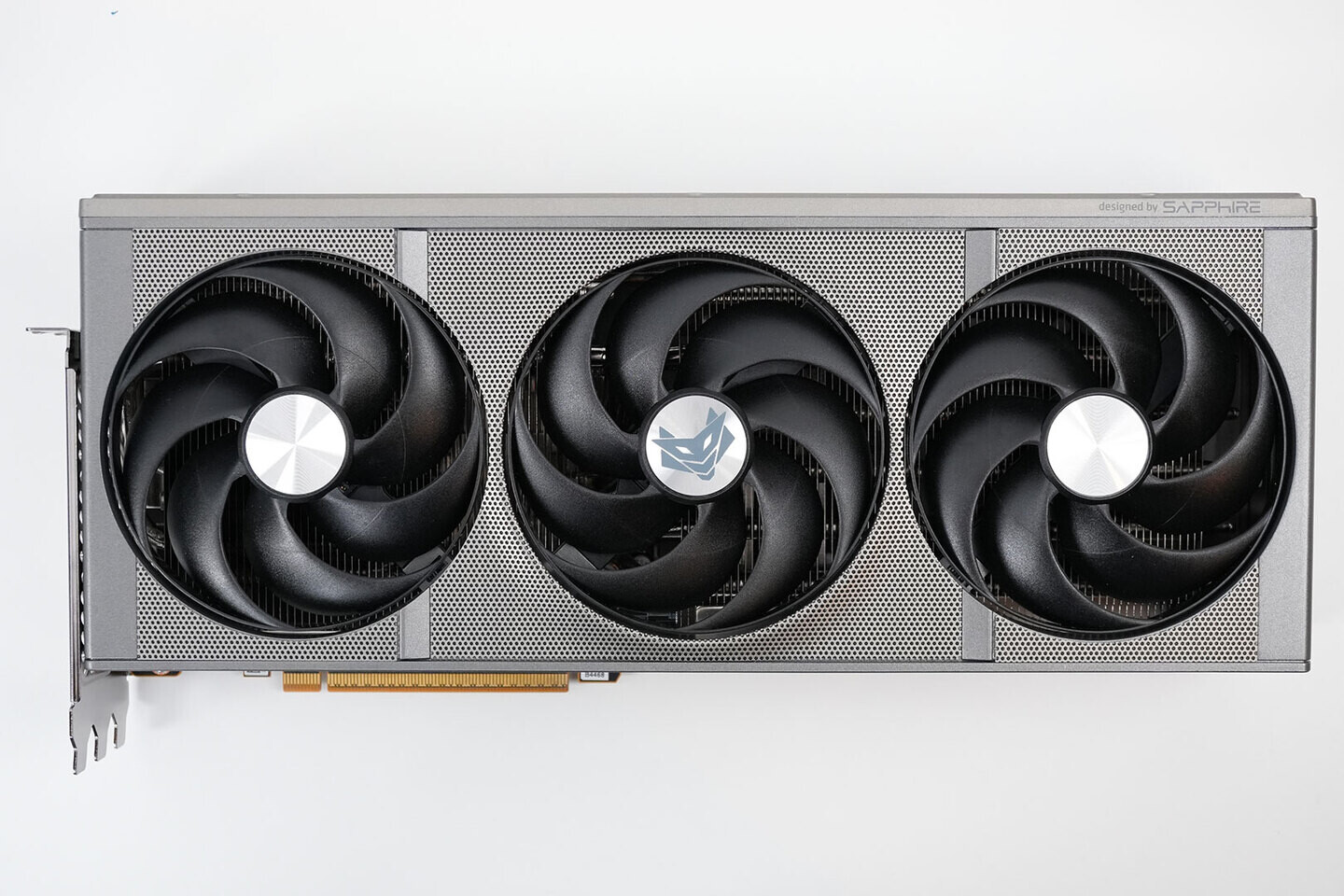
The dual-fan cooling system is a standout feature, promising quieter operation under load compared to traditional multi-fan setups. This is particularly useful for office environments where noise can be disruptive. The cards also support NVIDIA’s DLSS 3 and Frame Generation 2 technologies, which can significantly improve performance in supported games and applications.
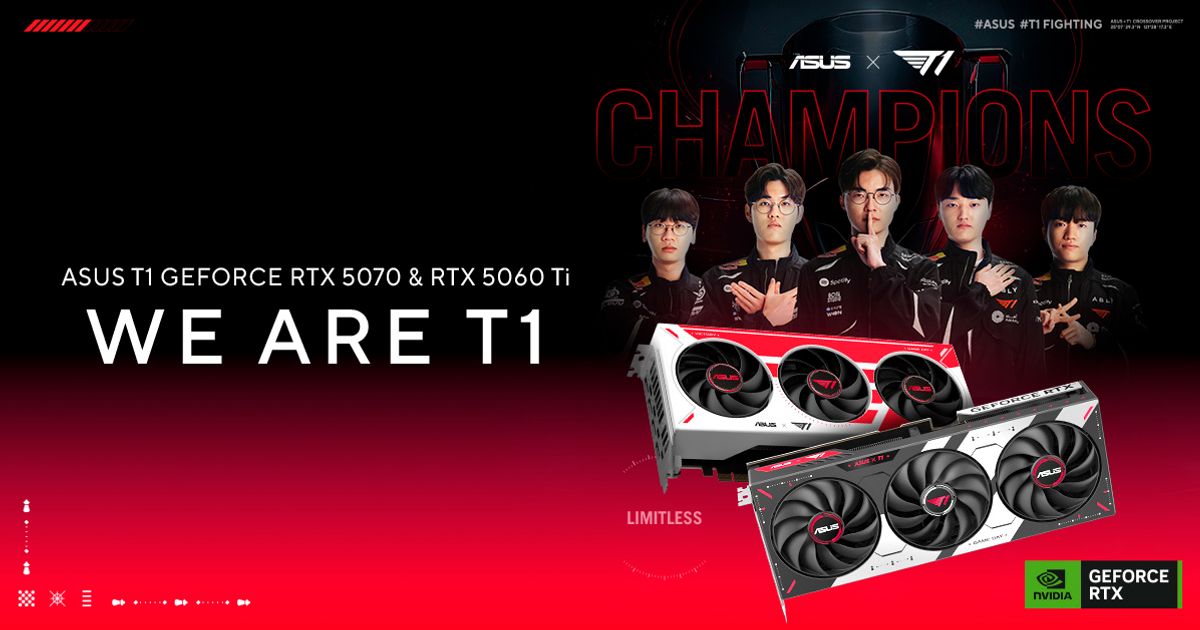
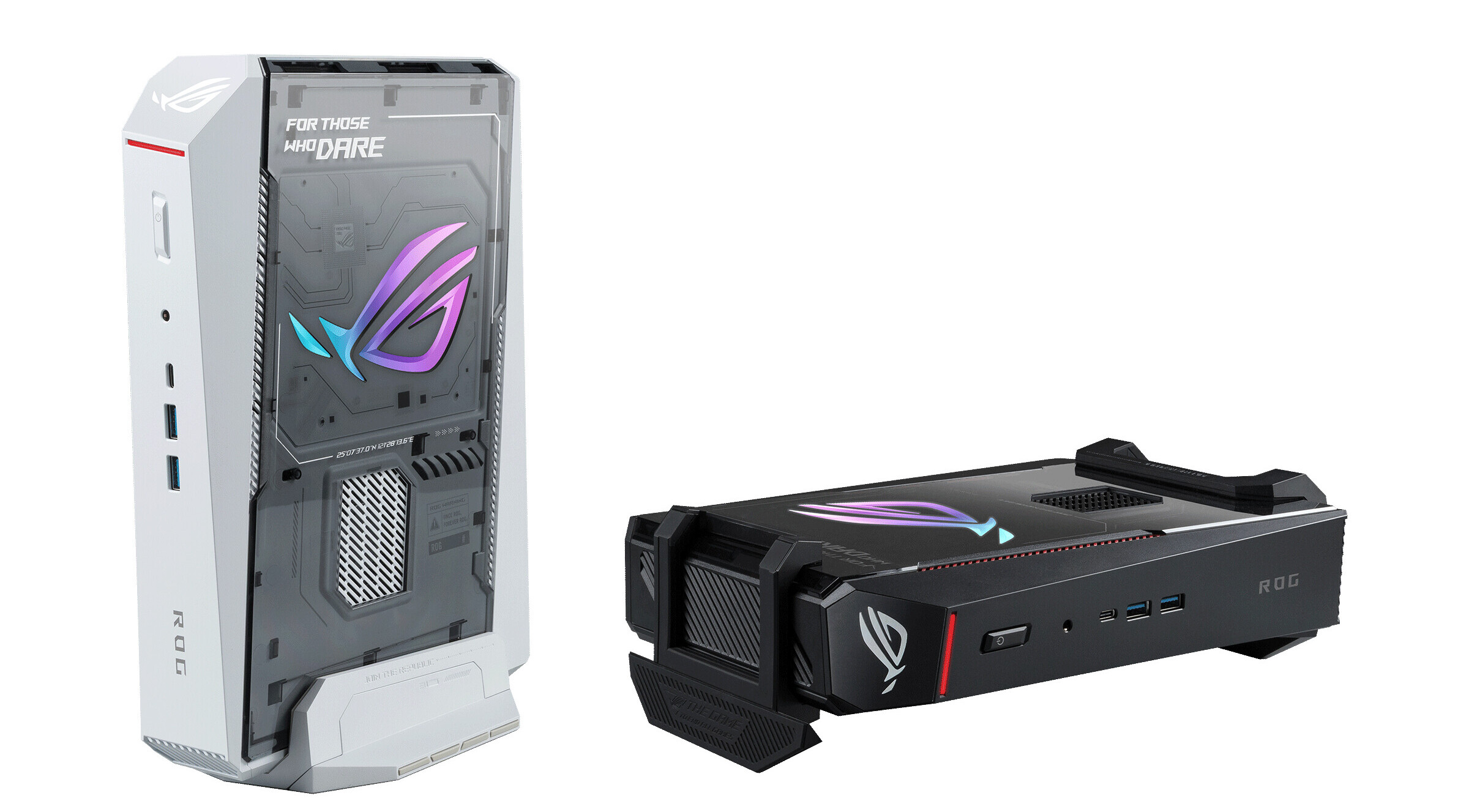
For small businesses, the T1 series offers a way to upgrade existing systems without requiring a complete hardware overhaul. The compact size—measuring just 8.6 inches long—makes it suitable for mini-ITX or low-profile builds where space is at a premium. However, the power draw and heat output mean these cards are best suited for well-ventilated enclosures.
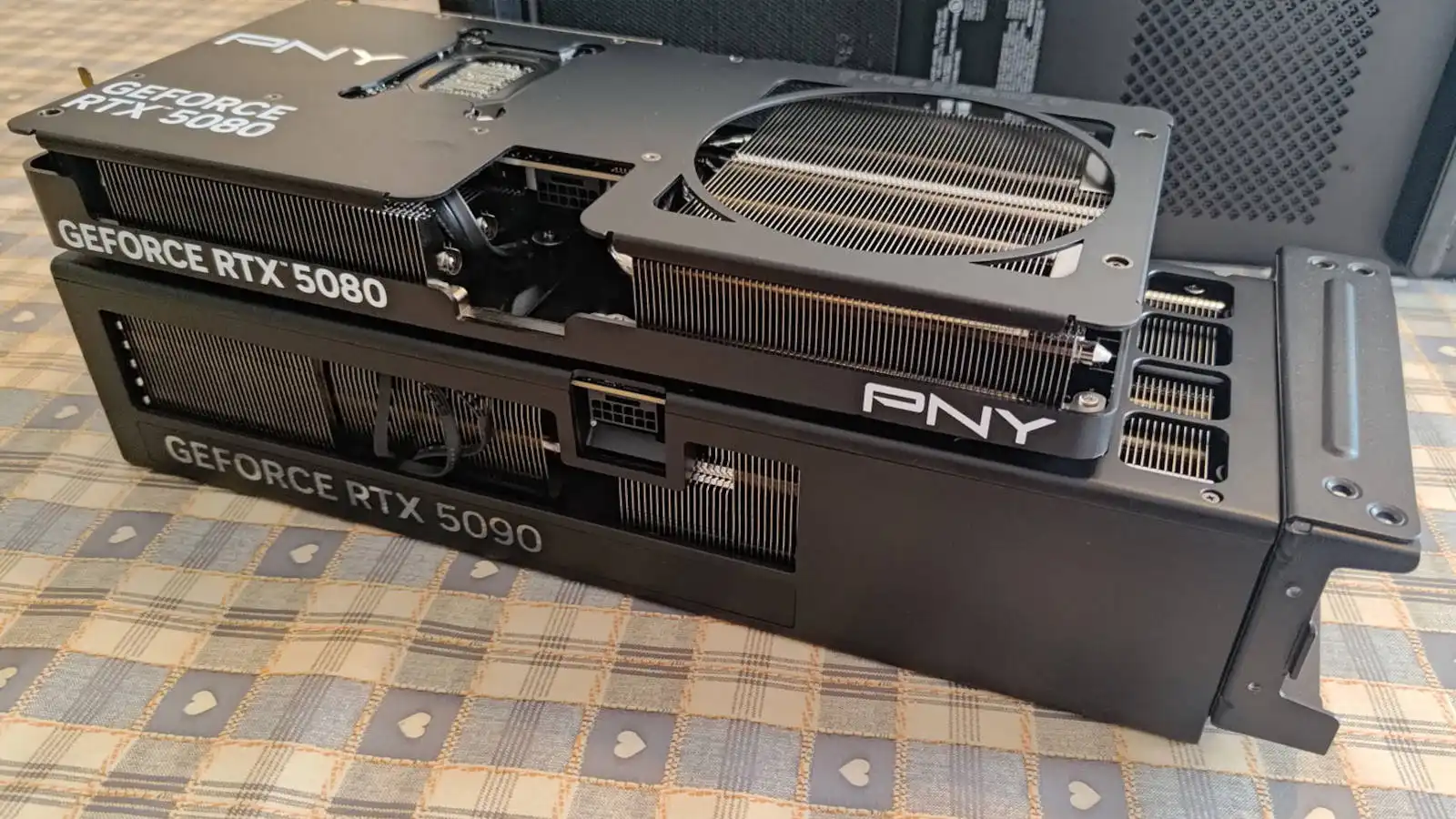
While the T1 series doesn’t match the raw performance of full-sized RTX 5090 or RTX 5080 cards, it delivers strong results in workloads like video editing, 3D rendering, and AI inference. Businesses running multiple displays will appreciate the three DisplayPort 2.1 outputs, which support resolutions up to 4K at 120Hz or 8K at 60Hz.
The ASUS T1 RTX 5070 and RTX 5060 Ti are positioned as premium options for small businesses looking to balance performance and space constraints. Pricing and availability have not been confirmed, but the focus on compactness and high-end features suggests they will appeal to those prioritizing efficiency without compromising on capabilities.