Riot Games has made a dramatic pivot for 2XKO, its tag-team fighting game, by cutting its development team in half—just three weeks after the game’s official launch on PC and consoles. Around 80 employees, some of whom worked on the project since its inception, are now out of work. The official reasoning? Player engagement metrics have failed to meet the scale needed to justify a full-scale team.
The message is clear: 2XKO isn’t resonating the way Riot hoped. While the game has carved out a dedicated fanbase, its core audience isn’t large enough—or monetizing enough—to sustain a team of its original size. But the bigger question remains: What did Riot realistically expect from a fighting game that doubles the complexity of learning two characters at once in a genre already struggling for mainstream traction?
Fighting games have never been a mass-market phenomenon. Titles like Street Fighter and Tekken thrive on niche expertise, while even Mortal Kombat relies on casual appeal tied to its cinematic violence and pop-culture hooks. But 2XKO isn’t just another fighter—it’s a tag-team variant, demanding players master two characters simultaneously. That’s a high barrier for even seasoned fighting game veterans, let alone newcomers.
The game’s monetization model doesn’t help. Skin bundles and character unlocks—already controversial in the fighting game community—feel particularly jarring in a genre where skill, not spending, determines success. Riot’s approach risks alienating its most passionate players, who have long resisted the microtransaction trends that dominate its other franchises.
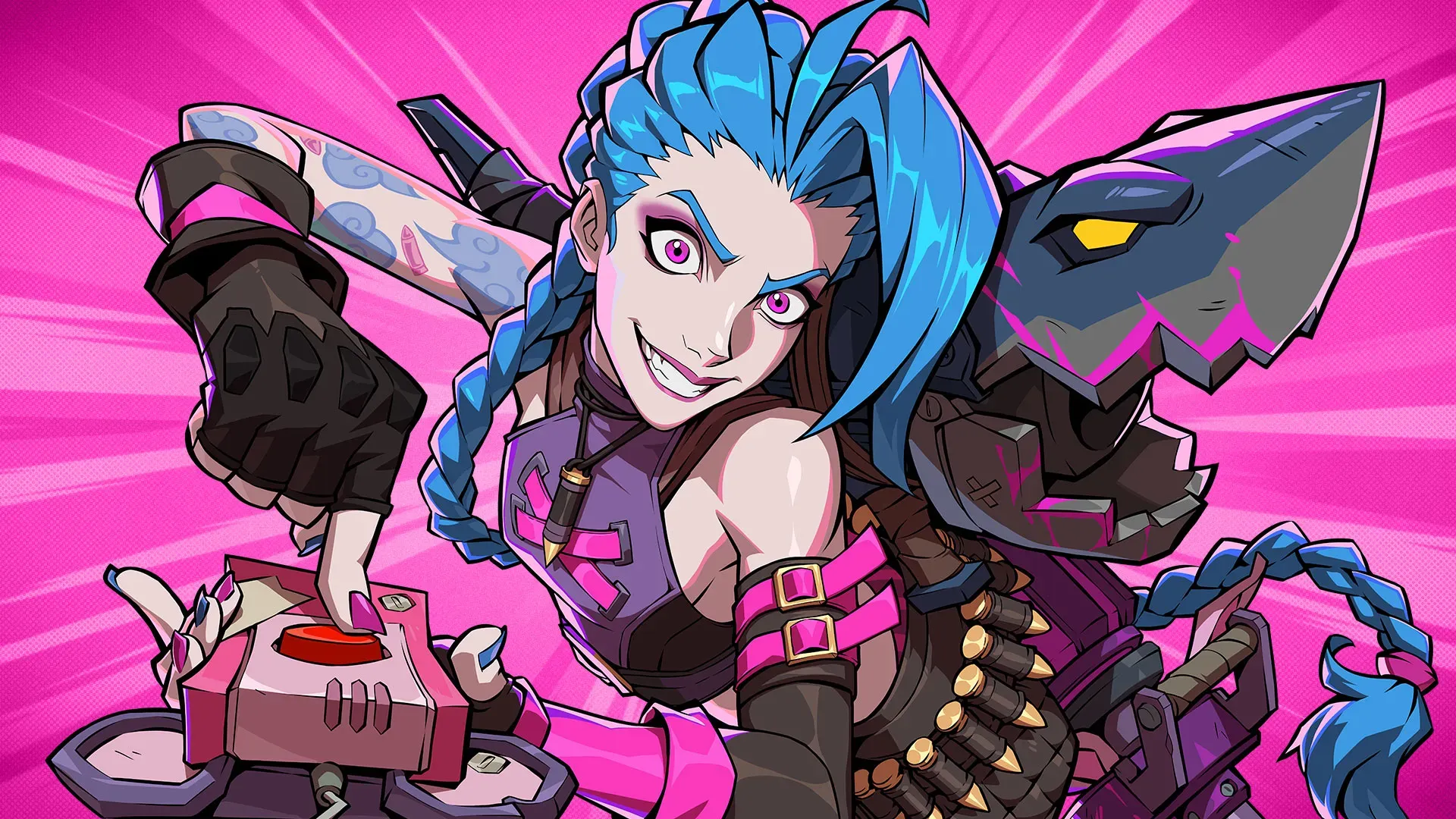
There’s also the question of timing. 2XKO launched as a full retail product after a long early access phase, but the fighting game community operates on a different cycle. Players expect polish, balance, and content updates—yet Riot’s decision to downsize so early suggests frustration with the game’s trajectory. The team behind it is now drastically smaller, raising doubts about whether 2XKO can evolve fast enough to retain what little momentum it has.
Even Riot’s own successes offer little precedent. Valorant thrived by tapping into the established Counter-Strike player base, offering a familiar but fresh take on tactical shooters. 2XKO, however, has no such built-in audience. It’s not a spin-off of an existing Riot IP, nor does it benefit from the same cross-platform appeal. Without a clear path to growth—whether through esports, community-driven content, or accessible design—its future looks uncertain.
For now, the game’s fate hangs in the balance. Riot insists the project isn’t dead, but the sheer scale of the layoffs sends a conflicting message. If 2XKO can’t find a way to expand its player base or refine its monetization, this may be the beginning of the end—not just for the team, but for the game itself.