In the world of Resident Evil Requiem, the line between monster and man has blurred in a way that could redefine horror for the franchise. Unlike the rote, instinct-driven zombies of past entries, the game’s undead retain fragments of their human memories—creating enemies that feel unsettlingly unpredictable, even hauntingly familiar.
This isn’t just a tweak to enemy AI; it’s a deliberate shift in design philosophy. The game’s director, Koshi Nakanishi, framed the challenge as a balancing act: zombies must still feel like zombies, but their behavior must evolve to avoid becoming predictable. The result is a horror experience where fear isn’t just about the threat of death, but the dread of what a former neighbor, colleague, or stranger might do next.
The stakes are higher than ever. In previous Resident Evil titles, player expectations of zombie behavior—groping, shuffling, predictable patterns—could dull the terror over time. But in Requiem, even a zombie that was human moments ago might hesitate before lunging, recall a past trauma, or exhibit behaviors tied to their pre-infection life. That uncertainty is the core of the design.
A Horror Reset
The franchise has always thrived on tension, but as zombies became a staple of survival horror, their impact risked growing stale. CAPCOM’s solution? Infuse them with psychological weight. A zombie that was once a parent might momentarily pause, as if searching for a lost child. Another could react to a scent or sound tied to their old life, creating fleeting moments of vulnerability before snapping back into violence.
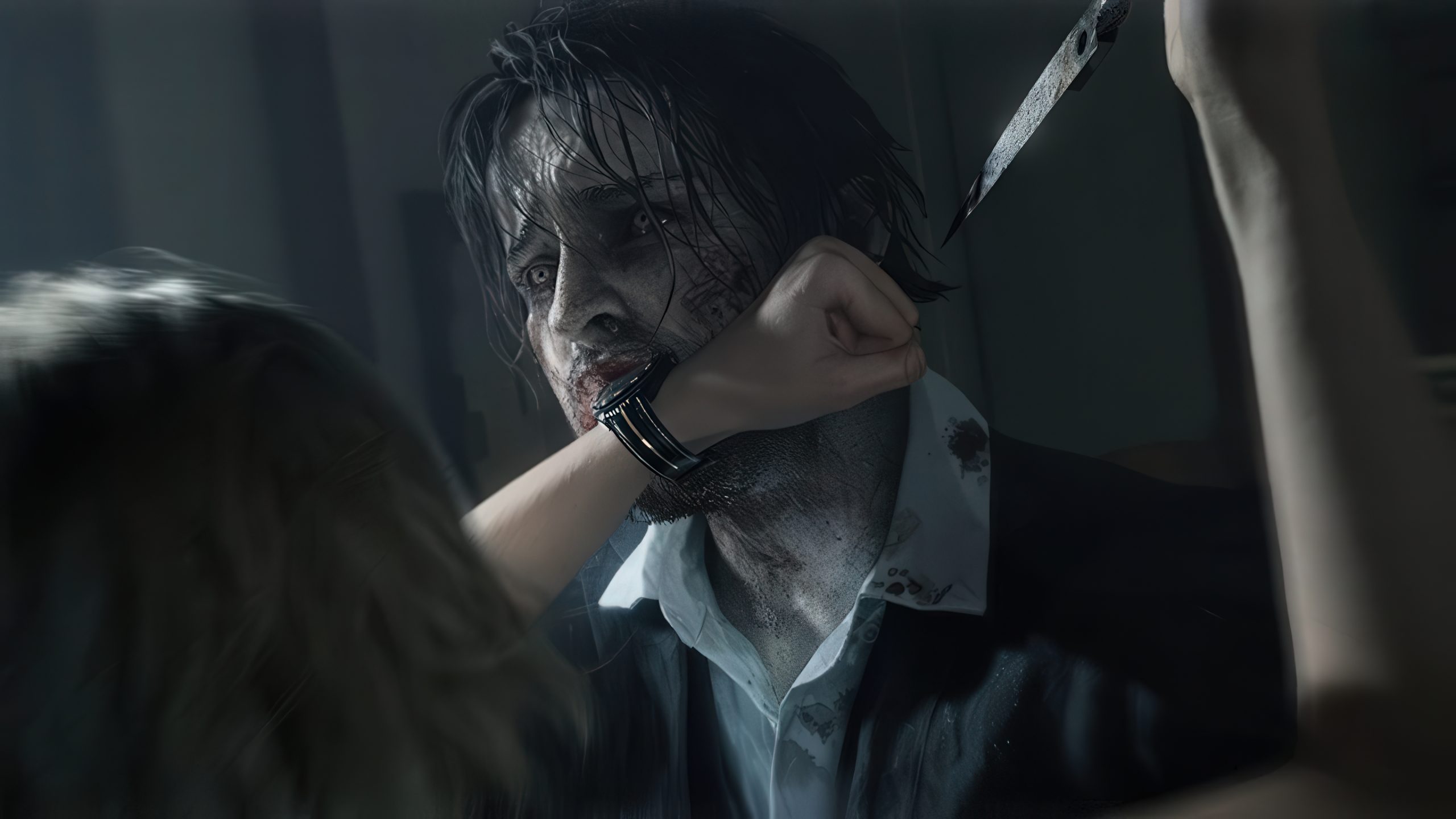
This isn’t just about scares—it’s about immersion. The fear in Requiem comes from the unknown: Will this zombie remember the layout of its old home? Will it recognize the protagonist’s voice? The game’s marketing kept these details under wraps until late in development, ensuring players would approach the release with fresh curiosity rather than preconceived notions.
Who’s It For?
Fans of the series who’ve grown weary of formulaic zombie encounters will find Requiem’s approach refreshing. Hardcore survival horror players, accustomed to meticulous puzzle-solving and resource management, will appreciate the added layer of psychological tension. Meanwhile, newcomers will experience a horror narrative that feels both familiar and deeply unsettling.
The tradeoff? Some players might miss the raw, instinctive aggression of classic Resident Evil zombies. But for those willing to embrace the ambiguity, the payoff is a horror experience that lingers long after the credits roll.
What’s Next?
The game launches across PC, PlayStation 5, Xbox Series S/X, and Nintendo Switch 2 in February. Whether this bold reimagining of zombies will restore the franchise’s terror factor—or simply offer a fresh twist—remains to be seen.