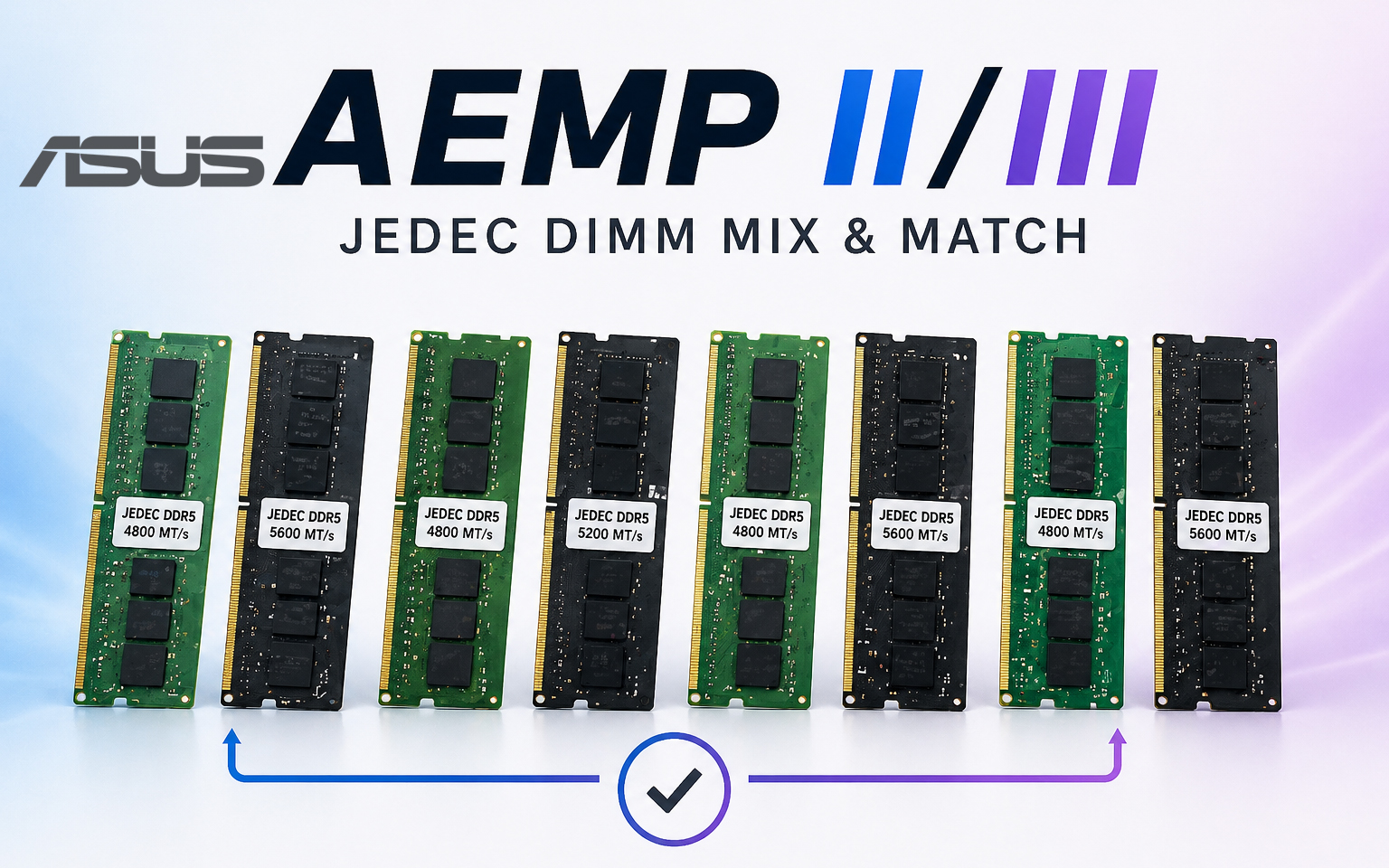
A new trend is emerging in the hardware market: the 'RAM tax.' Some sellers are adding an extra fee for higher-capacity memory modules, a move that has left buyers divided. While proponents argue that this approach brings transparency to pricing, critics see it as a sneaky way to hike prices without clear justification.
This shift comes at a time when memory costs have been volatile, but the decision to pass those costs directly to consumers—rather than absorbing them or adjusting overall product pricing—has raised eyebrows. The practice appears to be gaining traction, with multiple retailers adopting similar strategies. However, whether this is an industry-wide move or just a few outliers remains to be seen.
Why Are Sellers Adding a RAM Tax?
The primary reason cited for the 'RAM tax' is to account for fluctuating memory prices. Instead of adjusting the base price of products (such as motherboards or GPUs) that include higher-capacity RAM, sellers are opting to add an additional fee at checkout. This approach allows them to reflect real-time costs without altering the listed price upfront.
For example, a product might list a lower price for configurations with standard RAM but charge extra when a buyer selects higher-capacity modules. While this method ensures that sellers aren't left with unsold inventory due to pricing mismatches, it also means consumers pay more if they opt for premium memory options.

Is This Transparency or Just a Price Hike?
Proponents of the 'RAM tax' argue that it brings transparency to hardware pricing. By clearly indicating the cost of higher-capacity RAM at checkout, buyers can make informed decisions without being surprised by inflated prices. This approach also allows sellers to adjust fees based on market conditions, ensuring they remain competitive.
However, critics see this as a way for retailers to quietly increase prices. If memory costs spike, the fee rises with it, and consumers bear the brunt without any clear benefit. Unlike traditional price hikes, which are often announced upfront, the 'RAM tax' is only revealed when buyers reach checkout—making it feel more like a hidden cost than a transparent adjustment.
For gamers and power users who rely on high-capacity RAM for performance, this shift could have significant implications. While some may welcome the transparency, others might find it frustrating to see their total price jump unexpectedly based on memory selection.
At this point, the 'RAM tax' remains a niche practice, but if more sellers adopt it, buyers should expect to see similar strategies in other hardware categories. Whether this trend will become industry standard or fade away depends on how consumers and regulators respond to these hidden fees.