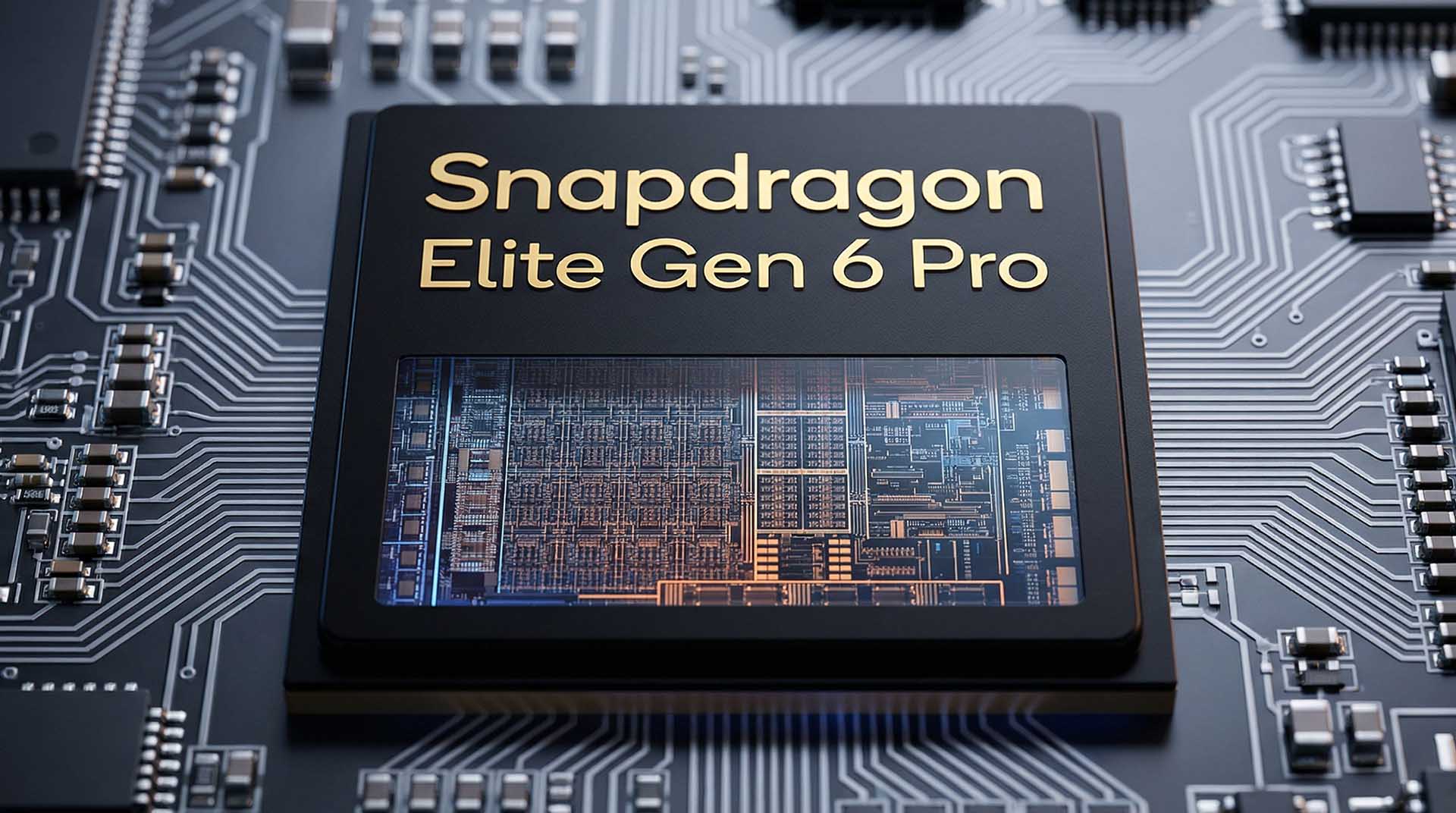
Wearables are no longer just about tracking steps or telling time. With Qualcomm’s latest Snapdragon Elite Wear chip, they’re becoming miniature AI powerhouses—capable of handling complex on-device models while sipping power like a smartwatch should.
The chip, built on TSMC’s 3nm process, is designed to run models with up to 2 billion parameters, delivering rapid response times and sustained performance. That’s the upside—here’s the catch: it’s not just about raw power. The real shift lies in how this chip redefines what wearables can do, from smartwatches to AI pins, while keeping efficiency in check.
Why This Matters for Gamers
Gamers often overlook wearables, but the implications here are significant. The Snapdragon Elite Wear integrates advanced connectivity—5G RedCap, Bluetooth 6.0, UWB, and even satellite-based NB-NTN—meaning future wearables could sync seamlessly with gaming ecosystems. Whether it’s real-time stats or cloud-based AI interactions, this chip could bridge the gap between wearable tech and immersive gaming experiences.
Key Specs at a Glance
- CPU: 1x big core at 2.1GHz + 4x efficiency cores at 1.9GHz (not Qualcomm’s custom Oryon cores)
- Fab Process: TSMC 3nm
- AI Performance: Hexagon NPU supports up to billion-parameter models
- Connectivity: 5G RedCap, Micro-power Wi-Fi, NB-NTN (satellite), Bluetooth 6.0, GNSS, UWB
- Battery: Silicon-carbon battery with 30% longer life and 50% charge in 10 minutes
The CPU architecture is a mix of performance and efficiency, but the real standout here is the Hexagon NPU. It’s optimized for edge AI tasks, which means wearables can process heavy models without draining battery—something critical for always-on devices. The connectivity suite is equally impressive, offering low-power 5G and satellite links, which could be a game-changer for off-grid gamers or those in remote areas.
What’s Still Unclear
Pricing and availability remain shrouded in mystery. Qualcomm hasn’t confirmed when this chip will hit the market or at what cost, but given its ambitions, it’s likely to target premium wearables first. The bigger question is whether developers will embrace this platform enough to justify the shift for consumers. If they do, we could see a wave of AI-enhanced wearables that blend performance with practicality—something gamers might actually care about.
A Glimpse into the Future
This chip isn’t just an incremental upgrade; it’s a blueprint for what wearables could become. With on-device AI, longer battery life, and smarter connectivity, the Snapdragon Elite Wear sets the stage for a new era of personal AI devices. For gamers, that means faster reactions, richer interactions, and maybe even a way to stay connected without the usual trade-offs.
Right now, it’s still a promise—but one with serious potential.