The PlayStation 5 has long been celebrated for its performance edge, particularly in ray tracing and hardware efficiency. However, this advantage is now facing increasing scrutiny as Microsoft's Project Helix console approaches launch. Industry analysts suggest that the gap between Sony's current-generation machine and Xbox's next-gen system could narrow significantly, if not close entirely, within the coming year.
At the core of this shift is ray tracing performance. The PlayStation 5's RDNA 2-based GPU has set a high bar for efficiency in real-time lighting calculations, shaping game development trends along the way. But Project Helix is expected to leverage an even more advanced version of AMD's architecture, potentially surpassing Sony's current lead. If that happens, the PlayStation 5's ray tracing advantage could become outdated before its successor arrives, forcing developers to reconsider their optimization strategies.
efficiency is another critical factor. The PlayStation 5's custom CPU and GPU combination has allowed Sony to fine-tune performance for its ecosystem, from ultra-fast storage solutions to thermal management systems. However, Project Helix may adopt a different approach, possibly using a more flexible CPU-GPU pairing that could offer better scalability for developers. This shift could make the PlayStation 5's current optimizations less relevant over time, potentially leaving Sony behind if it doesn't adapt quickly.
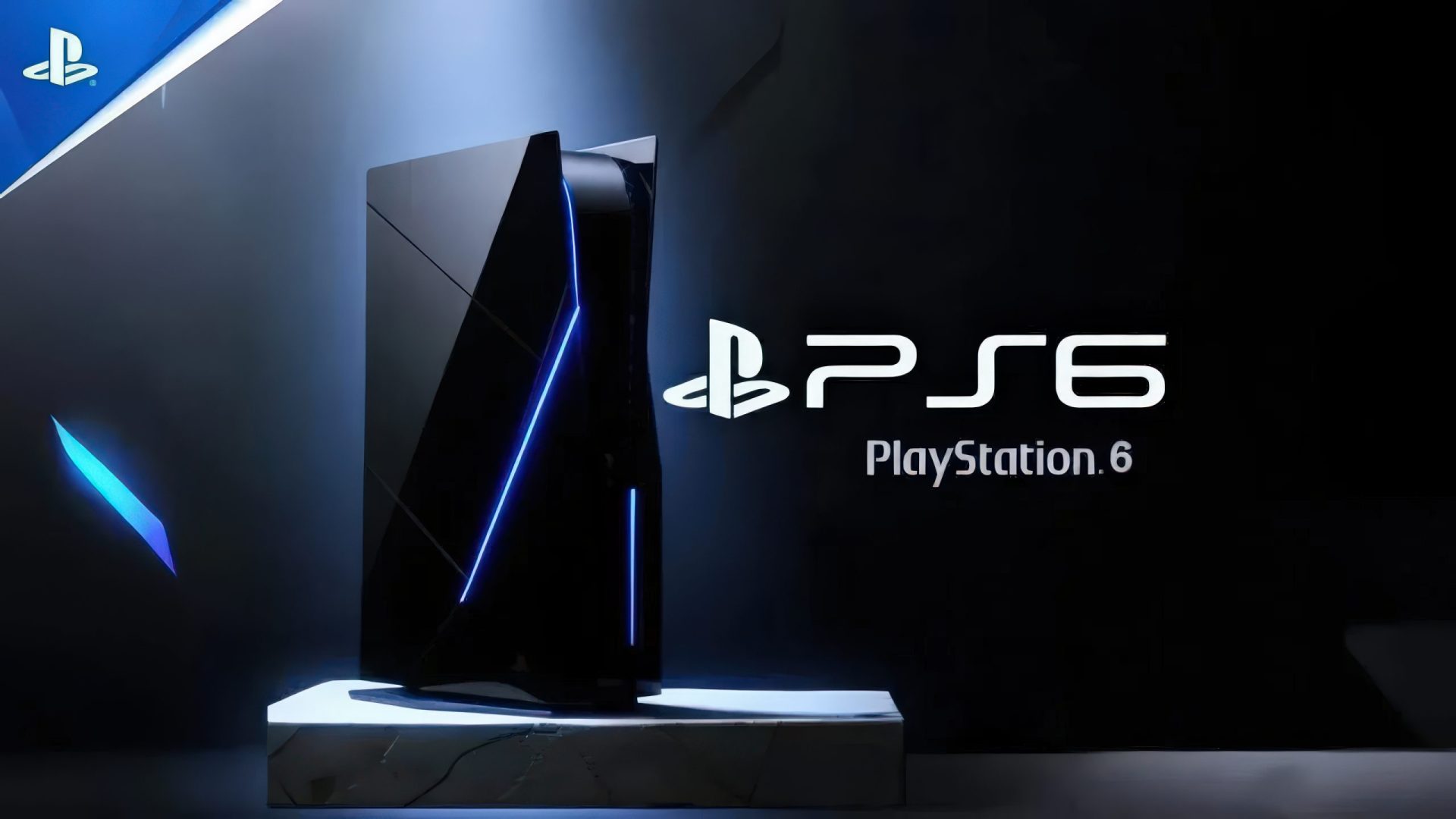
Despite these concerns, uncertainty remains about how Project Helix will perform in practice. Benchmarks and real-world tests are still months away, and Microsoft has been tight-lipped about its final hardware configuration. The performance gap we see today—whether measured in frames per second or ray tracing efficiency—could widen or narrow depending on how Microsoft balances raw power with thermal constraints. For now, the PlayStation 5's advantages feel more secure than they might be, but the writing may already be on the wall for Sony if it doesn't respond to the challenge.
The bigger question is what this means for gamers. If Project Helix delivers a substantial leap forward in performance and features, the PlayStation 5 could find itself playing catch-up in its own backyard. That would mark a rare moment in console history where the second generation of a platform doesn't just match its predecessor but leaves it behind—challenging Sony to rethink not just its hardware, but how it defines what a next-gen console should be.