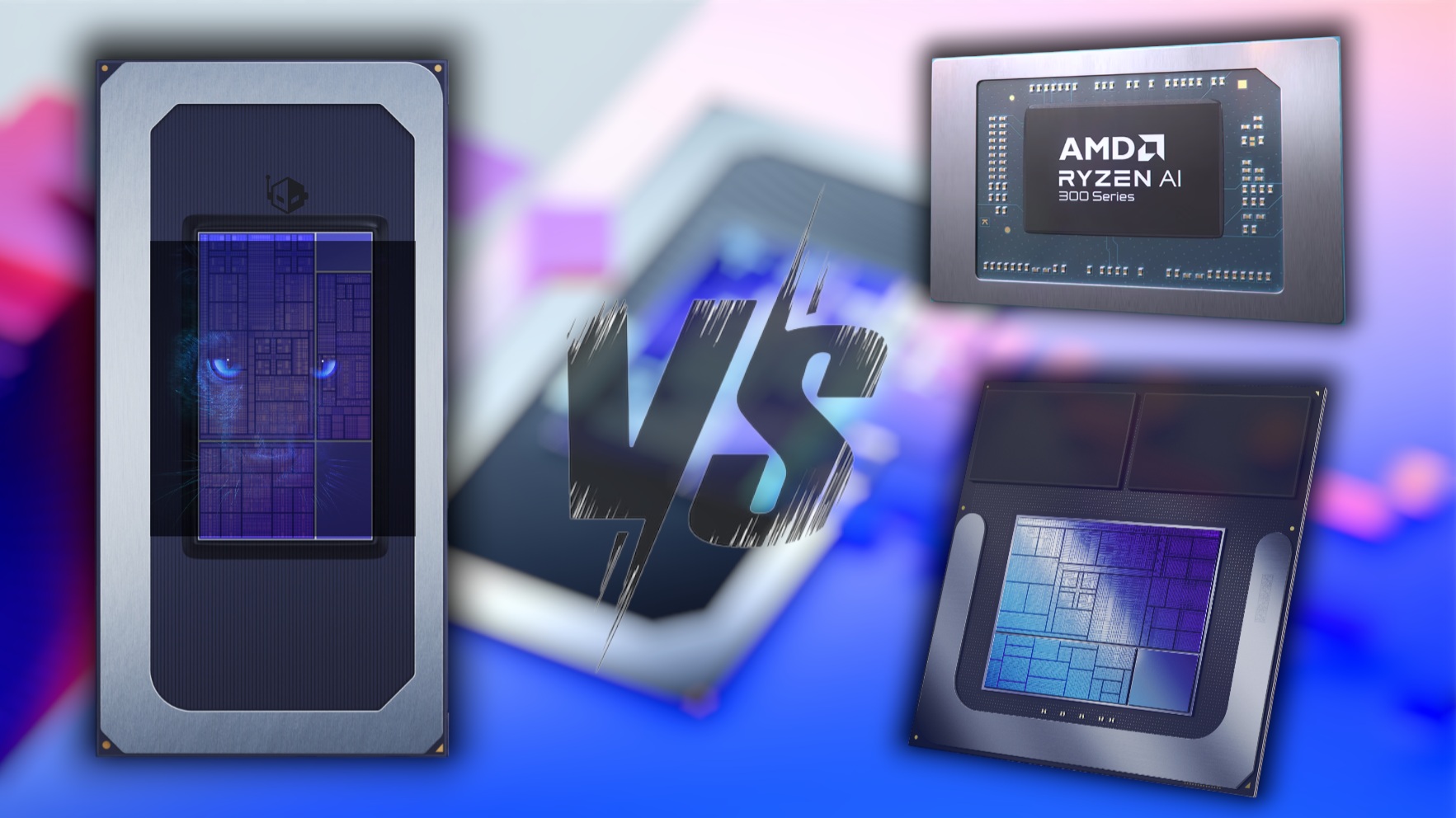
For years, AMD’s Zen architecture has set the standard for raw performance, but Intel’s Panther Lake chips are now challenging that dominance—not just in raw speed, but in how efficiently they handle workloads. The latest benchmarks, conducted on LPDDR5 platforms, reveal that Cougar Cove (Intel’s new P-core design) outperforms Zen 5 by 10% in integer performance, while Darkmont (the E-core variant) delivers a 6% improvement. These numbers aren’t just about brute force; they signal a shift toward smarter, more efficient processing—a critical advantage for laptops, workstations, and high-end desktops.
Key takeaways from the benchmarks
- Cougar Cove’s 10% IPC lead translates to better real-world performance in multi-threaded tasks, such as video editing, 3D rendering, and heavy gaming sessions where sustained power matters.
- Darkmont’s 6% efficiency gain suggests Intel is finally closing the gap in power-sensitive workloads, where AMD’s Zen 5c has traditionally held an edge.
- Panther Lake’s hybrid architecture (combining high-performance P-cores with efficiency-focused E-cores) positions it as a stronger contender for AI acceleration, content creation, and extended battery life in mobile setups.
The benchmarks were run using SPEC CPU 2017, a standard for measuring core efficiency, with comparisons against AMD’s Strix Point (Zen 5) and Zen 5c architectures. The results aren’t just about synthetic scores—they reflect how Intel has optimized branch prediction, memory latency, and execution units to deliver more work per clock cycle. This matters because, in an era where thermal throttling and power draw are major concerns, efficiency often outweighs pure clock speed.
Why does this matter for consumers?
For gamers, this could mean longer sessions without thermal throttling—especially in laptops where cooling solutions are limited. For professionals, it means faster renders and smoother workflows without sacrificing battery life. Even in desktops, where raw performance has been AMD’s strong suit, Intel’s improvements suggest a narrowing gap in high-end workloads.
The bigger picture: Intel’s push into efficiency-driven computing isn’t just about beating AMD—it’s about competing with Apple’s M-series chips and even ARM-based designs in the long run. With Panther Lake already powering devices like the Galaxy Book 6 Pro (now priced nearly $477 higher than its predecessor), the stakes are high. If Intel can sustain these efficiency gains, we could see a shift in how high-performance PCs are designed—prioritizing smarter cores over raw clock speeds.
Takeaway: If you’re in the market for a high-end laptop or workstation, Panther Lake’s improvements in IPC and efficiency could make it a compelling choice—especially if thermal management and battery life are priorities. For desktops, the gap isn’t closed yet, but Intel’s progress suggests a more balanced competition ahead. Keep an eye on real-world reviews as more Panther Lake-based systems hit the market.