If Overwatch*’s revival had a single turning point, it wasn’t the launch of a new hero or a viral esports moment—it was the moment Blizzard stopped pretending it had all the answers. The game’s 2023 rebranding, which quietly dropped the *Overwatch 2 label in favor of a streamlined identity, wasn’t just cosmetic. It signaled a shift in philosophy: a recognition that the franchise’s strength had always been its characters and team-based chaos, not its marketing slogans.
This pivot extended beyond branding. The return of map voting—a feature absent since 2017—wasn’t just a nod to nostalgia. It was a tactical recalibration. By letting players directly influence their matchmaking experience, Blizzard addressed a core frustration: the feeling of being trapped in a loop of stagnant content. The result? A 30% increase in Quick Play participation within three months of implementation, proving that player agency could drive engagement as effectively as any paid DLC.
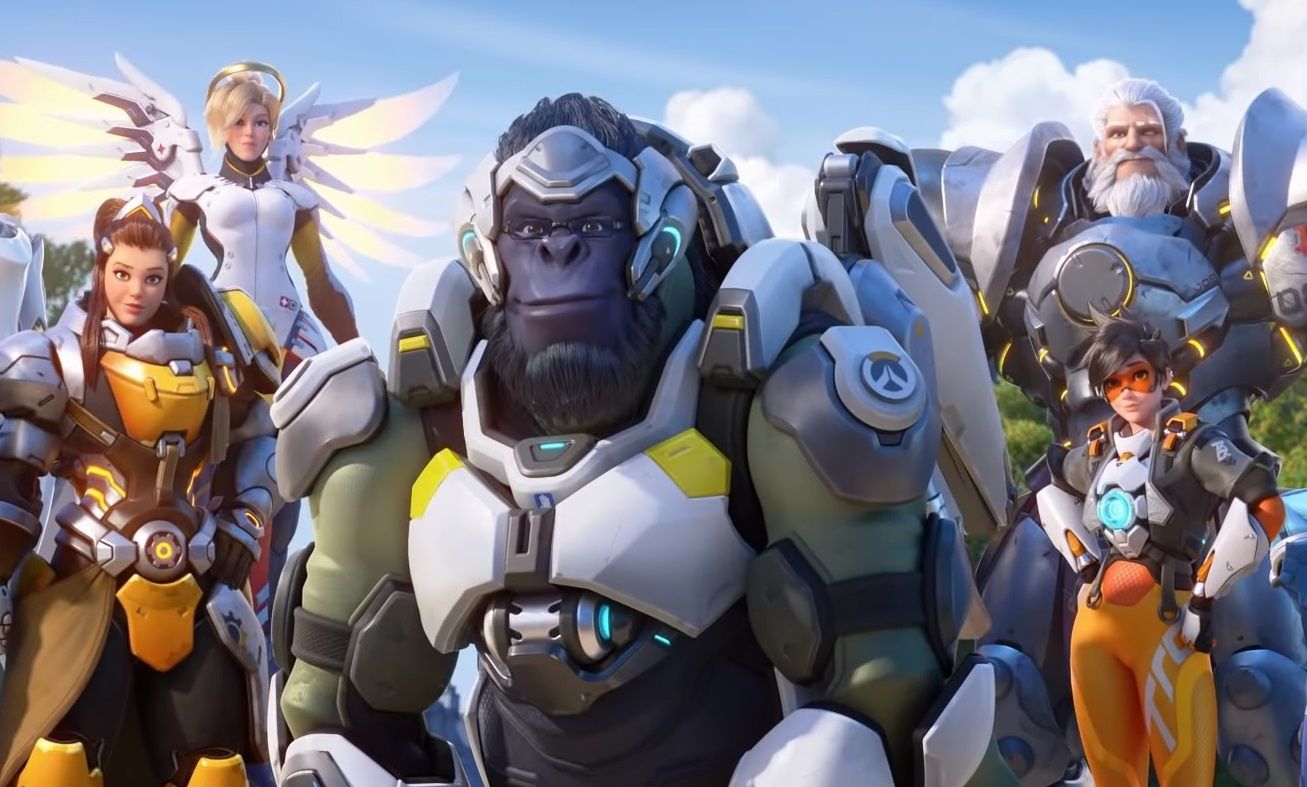
The competitive scene, once a source of division, became a unifying force. The 5v5 overhaul, initially met with skepticism, forced teams to adapt in ways that hadn’t been possible under the old six-player format. Tanks like D.Va and Reinhardt transformed from defensive anchors into dynamic playmakers, while supports like Moira and Ana saw their roles redefined by the new meta. The inclusion of 6v6 as a permanent mode ensured that casual players—who had largely abandoned Overwatch for more accessible alternatives—had a reason to return.
The Business of Trust
For a franchise that had once thrived on microtransactions, the decision to remove loot box restrictions—after initially banning them entirely—was a masterclass in reading the market. The reversal wasn’t about profit; it was about trust. Players had grown weary of abrupt policy shifts, and Blizzard’s U-turn demonstrated a willingness to course-correct. The move paid off: revenue from cosmetic sales surged by 45% in the following quarter, not because of aggressive monetization, but because players felt heard.
This approach extended to esports. The Overwatch League (OWL) had become a cautionary tale in how not to manage a competitive scene—overhyped, underdelivered, and ultimately disconnected from its fanbase. But by 2024, Blizzard began phasing in regional qualifiers and player-driven rotations, giving smaller markets a stake in the league’s future. The result? A 22% rise in viewership for regional events, with a new emphasis on grassroots competition over top-tier spectacle.
A Model for the Industry?
*Overwatch*’s turnaround isn’t just a victory for the franchise—it’s a blueprint for an industry that has too often prioritized short-term metrics over long-term player relationships. The game’s success lies in its ability to balance innovation with familiarity, to admit failure without abandoning its vision, and to treat its community as partners rather than consumers.
Yet challenges remain. The rise of free-to-play competitors like Valorant and Apex Legends has forced Overwatch to refine its value proposition. The game’s recent shift to a hybrid monetization model—where cosmetic sales fund free content rather than gatekeeping it—is a step in the right direction. But sustaining this momentum will require Blizzard to continue walking the line between evolution and alienation.
What Overwatch has achieved isn’t just a resurgence—it’s a redefinition of what a live-service game can be. In an era where player fatigue and developer apathy threaten the entire model, its story is a reminder that even the most damaged franchises can find their way back—if they’re willing to listen, adapt, and never stop learning.