Most horror games rely on jump scares or eerie atmospheres to unsettle players. Desktop Explorer takes a different approach: it weaponizes nostalgia and digital archaeology. Players inherit an uncle’s old Windows 95-era computer—complete with its cluttered files, half-deleted notes, and cryptic puzzles—and must piece together a mystery by navigating its digital labyrinth.
The game’s premise is simple yet brilliant: every file, folder, and system quirk becomes part of the puzzle. Need a password? Dig through browser history. Stuck on a corrupted file? Rename it or convert its extension. The mechanics mirror the frustration of real-world file management, but with a twist—each action uncovers another layer of the story.
Why It Stands Out
Developed by Outersloth (creators of Signalis), Desktop Explorer* blends retro computing aesthetics with modern horror. The interface mimics a 1990s PC down to the pixelated mascot that barks in the corner of the screen, reinforcing the era’s clunky charm. But beneath the surface, the game’s puzzles grow increasingly complex, requiring players to manipulate file structures, exploit system glitches, and even resize windows in ways that feel eerily familiar to anyone who’s ever wrestled with an outdated OS.
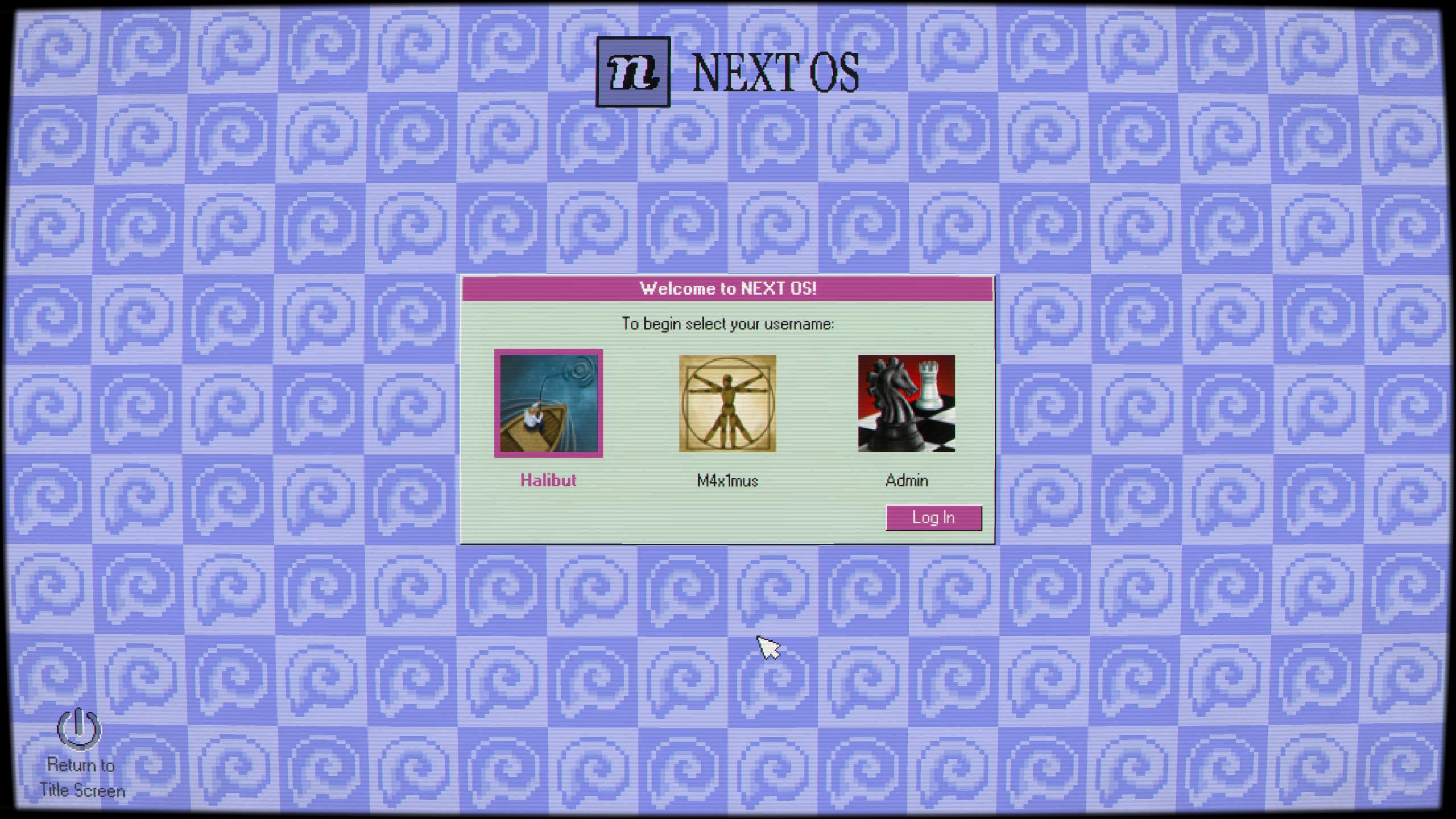
What begins as a whimsical detective story—complete with pastel backgrounds and a cozy, almost playful tone—gradually darkens. Glitches creep in, files corrupt, and the once-friendly interface takes on a sinister edge. The contrast between the game’s cutesy design and its unsettling narrative creates a unique tension.
What’s Next
The full release is expected later this year, though no exact date has been set. For now, a demo offers a taste of the game’s intricacies, from basic folder navigation to more advanced file manipulations. Players who enjoy puzzles with a horror twist—and those who’ve ever felt the thrill of uncovering a long-lost digital secret—will find Desktop Explorer a refreshing departure from traditional adventure games.
The game’s success hinges on its ability to make file management feel like a skill worth mastering. In a world where digital clutter is an everyday struggle, Desktop Explorer* turns that frustration into a narrative tool—and a hauntingly clever puzzle.