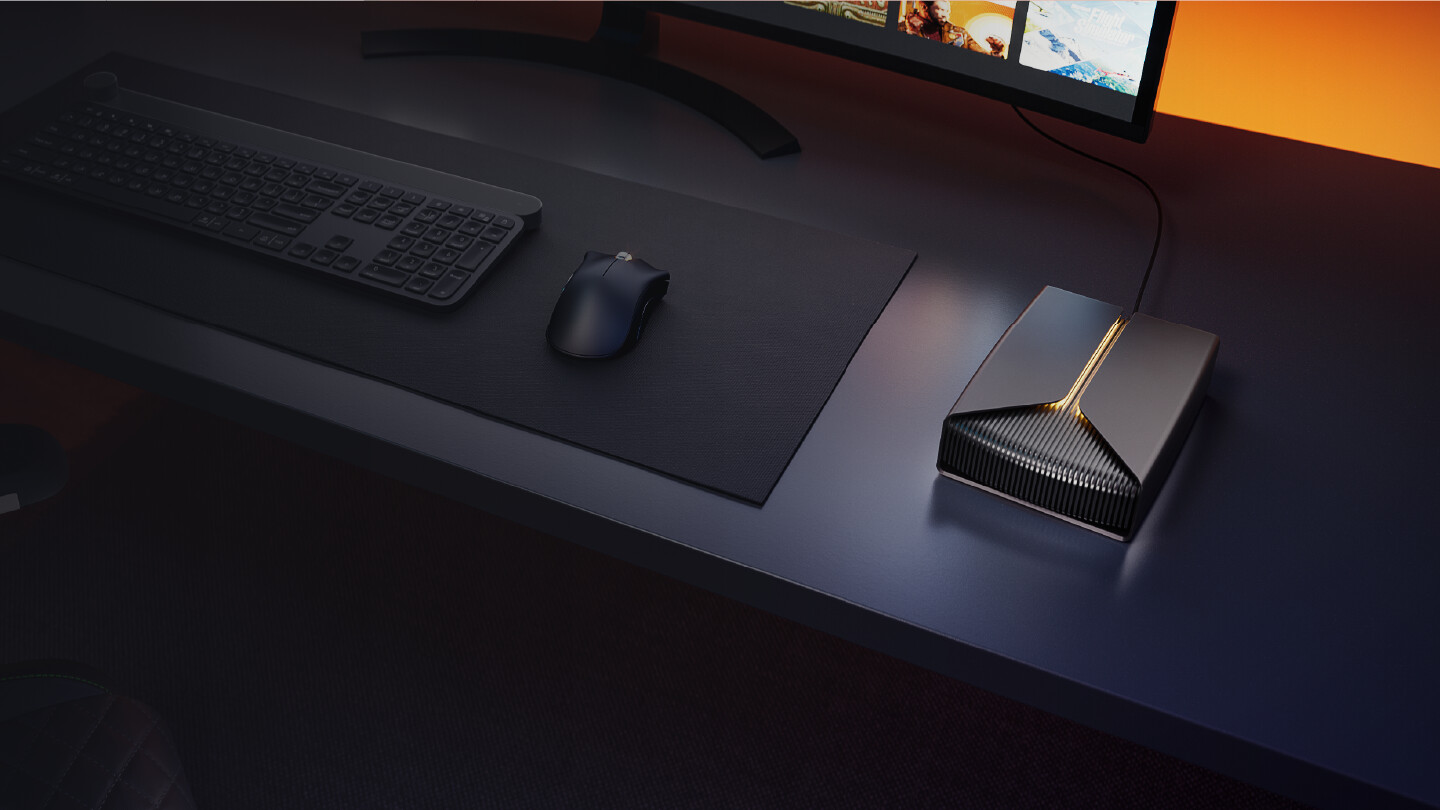
NZXT’s H2 Mini PC isn’t just a compact gaming rig—it’s a thermal and electrical paradox. The system’s RTX 5080 and Core Ultra 9 285K or Ryzen 7 9800X3D combination delivers desktop-level performance, but doing so in a Mini ITX enclosure means every watt of power draw is a liability. Unlike traditional desktops, which can rely on case fans, radiators, and open-air cooling, the H2 Mini PC’s sealed design forces NZXT to rely on a 280mm AIO liquid cooler and a meshed airflow case to prevent throttling. The result? A system that excels in raw performance but raises serious questions about sustainability in prolonged use.
The RTX 5080 alone consumes 320W under load, while the Core Ultra 9 285K adds another 200W+ during intensive workloads. Combined, the system’s total power draw can exceed 400W—a figure that would make even high-end desktops wince. For comparison, a Mac Studio with an M2 Ultra peaks at 200W, while a Dell Alienware m18 gaming laptop maxes out around 250W. The H2 Mini PC doesn’t just compete with desktops; it consumes like one while being constrained by a chassis designed for portability.
NZXT’s solution is aggressive cooling, but it’s not without tradeoffs. The 240mm AIO cooler is a step up from air cooling, yet the meshed case—while visually striking—limits airflow efficiency. In extended gaming sessions, the system’s thermal headroom becomes a bottleneck. Unlike laptops, which can dynamically throttle performance to preserve battery life, the H2 Mini PC has no such luxury. It either delivers full power or risks overheating in a confined space.
The H2 Flow case and C850 SFX PSU are available separately, suggesting NZXT recognizes the Mini PC’s niche appeal. The case’s 331mm GPU support is a nod to flexibility, but the $149 price tag for the case alone—plus the $199 PSU—adds up quickly for builders. For those who opt for the prebuilt, the $3,499 cost includes not just hardware but a premium for NZXT’s engineering. Yet, the real premium is paid in efficiency—or rather, the lack of it.
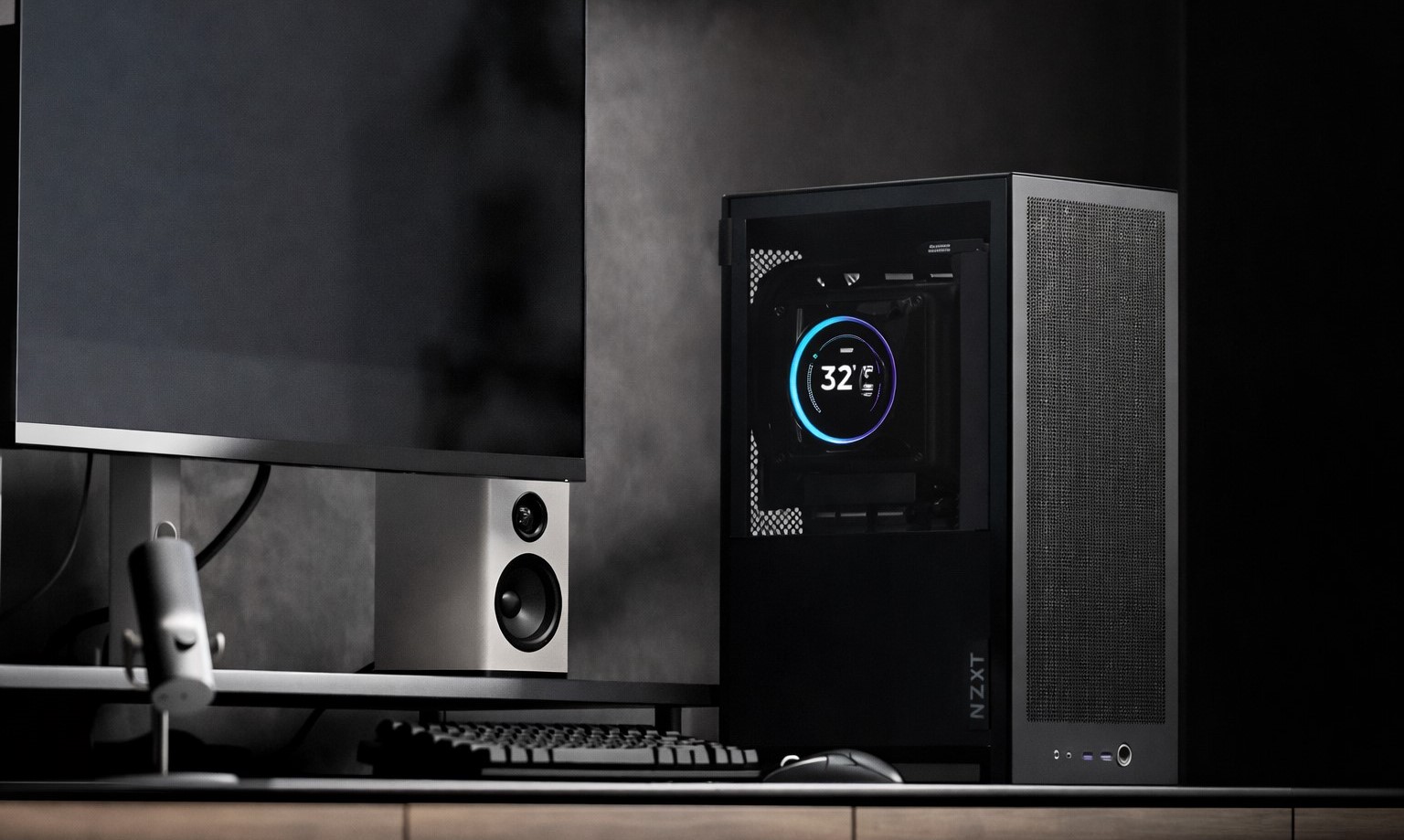
The 32GB DDR5-4800 and 2TB NVMe SSD ensure smooth operation, but the system’s thermal design power (TDP) is its Achilles’ heel. NZXT claims the H2 Mini PC is capable of 1080p ultra gaming, but sustained performance at high settings may require active cooling adjustments or even undervolting—neither of which is ideal for a prebuilt system. The Ryzen 7 9800X3D version, while stronger in gaming, still shares the GPU’s power demands, making the choice between Intel’s Core Ultra 9 285K (better for productivity) or AMD’s 9800X3D (better for gaming) a matter of workload, not efficiency.
So who is this for? Professionals needing RTX 5080-level rendering in a small footprint might find value here, as might enthusiasts with limited desk space. But gamers expecting laptop-like portability will be disappointed—the H2 Mini PC is not a laptop, nor is it designed to be one. Its power consumption rivals a full desktop, and its cooling solution is optimized for sustained use, not silent operation. For those prioritizing energy efficiency or low noise, this system is a misfit.
The H2 Mini PC is a bold experiment—one that pushes the boundaries of what a Mini ITX system can achieve. But as with all such experiments, the question isn’t just *what it can do*, but *at what cost*. In this case, the cost is efficiency, and NZXT’s engineering has turned a compact powerhouse into a high-performance paradox: a desktop in disguise, demanding desktop-level resources in a chassis built for something else.