Intel is betting big on AI PCs in 2026, forecasting that nearly half of all PCs shipped this year will include dedicated AI processing hardware—yet the reality is far more nuanced. While the company envisions a future where AI acceleration is standard, current adoption hinges on secondary benefits like extended battery life and efficiency rather than AI-driven functionality itself.
The prediction—130 million AI PCs out of an estimated 260 million total units—reflects a rapid acceleration in adoption. But Intel’s Japan president has acknowledged a critical gap: consumers aren’t yet purchasing these machines for AI capabilities. Instead, the primary draw remains the same as traditional PCs—performance and endurance—with AI hardware serving as an enabler rather than a selling point.
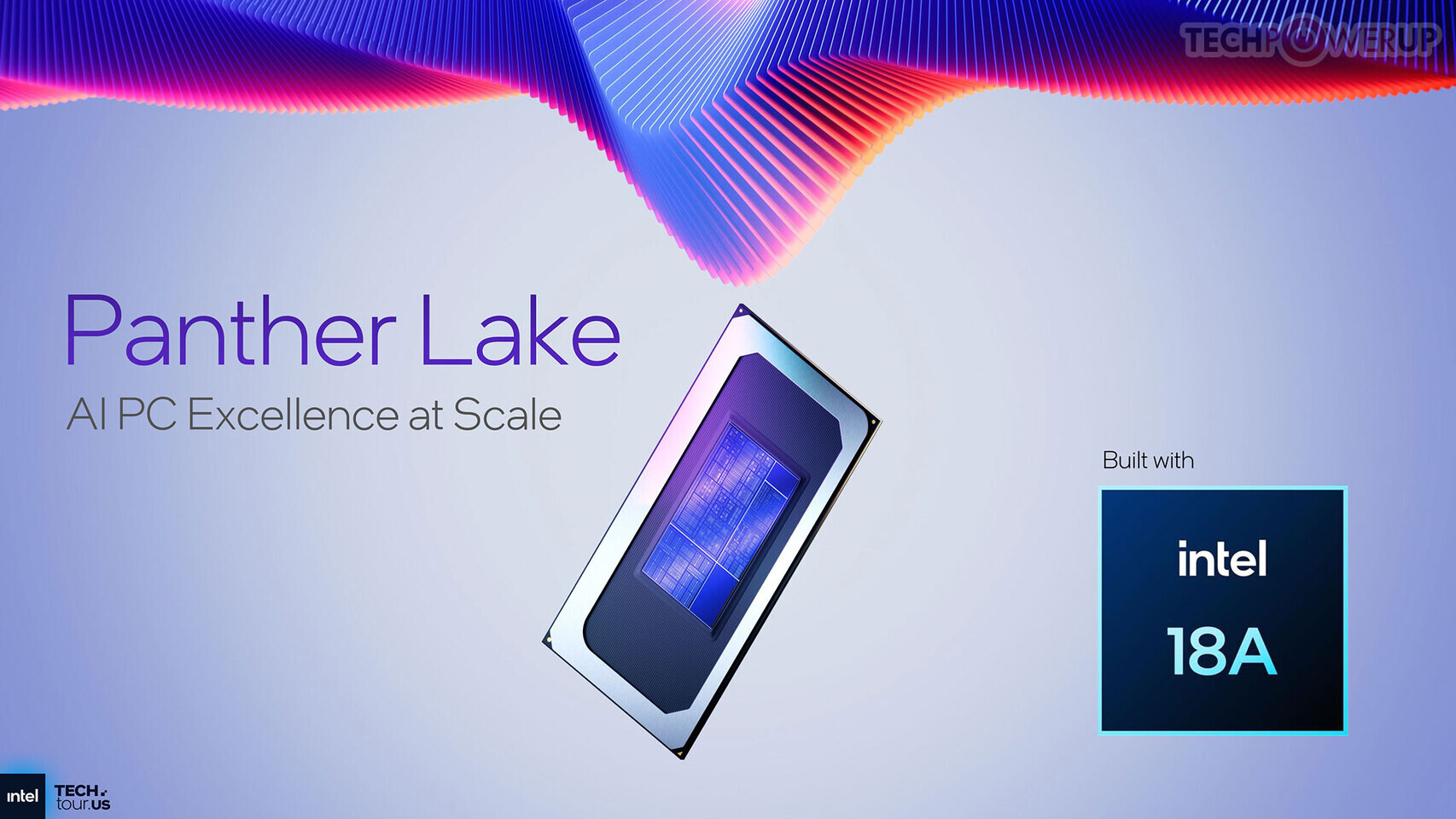
This discrepancy underscores a broader industry challenge. AI PCs, defined by their inclusion of neural processing units (NPUs) or similar accelerators, are still largely positioned as premium offerings. Intel aims to shift that perception, arguing that the technology should become as ubiquitous as integrated graphics or solid-state storage. The catch? Software and applications must evolve to justify the hardware.
Right now, most AI PC buyers are early adopters or power users who recognize the potential but lack compelling real-world use cases. Battery life improvements—thanks to optimized silicon and NPU offloading—are the most tangible benefit today. Until AI features like real-time translation, local processing for privacy-sensitive tasks, or adaptive performance tuning mature, the market may remain segmented.
Intel’s push aligns with a broader industry trend toward on-device AI, but the company’s timeline suggests confidence in hardware readiness outweighs software maturity. The question remains: Will 2026 be the year AI PCs break through, or will they stay a niche until applications catch up?