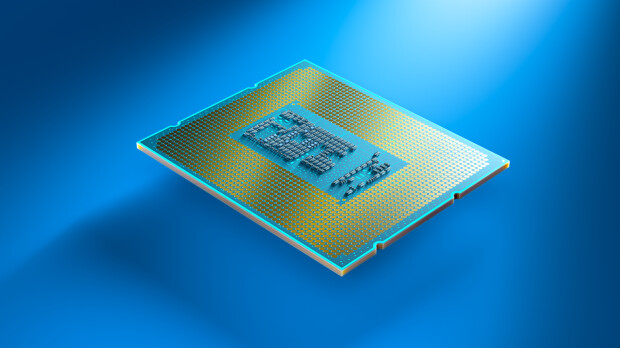
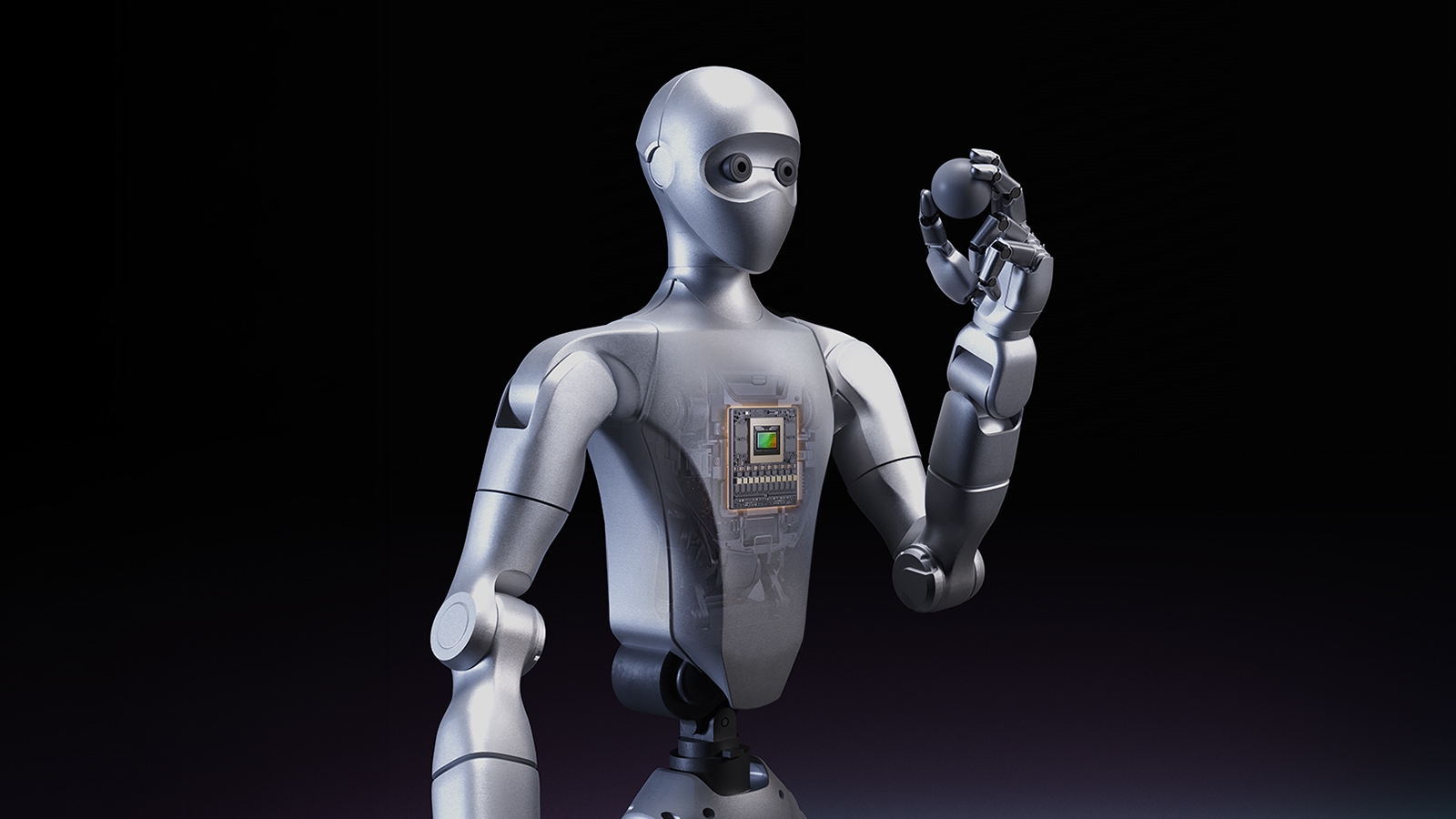
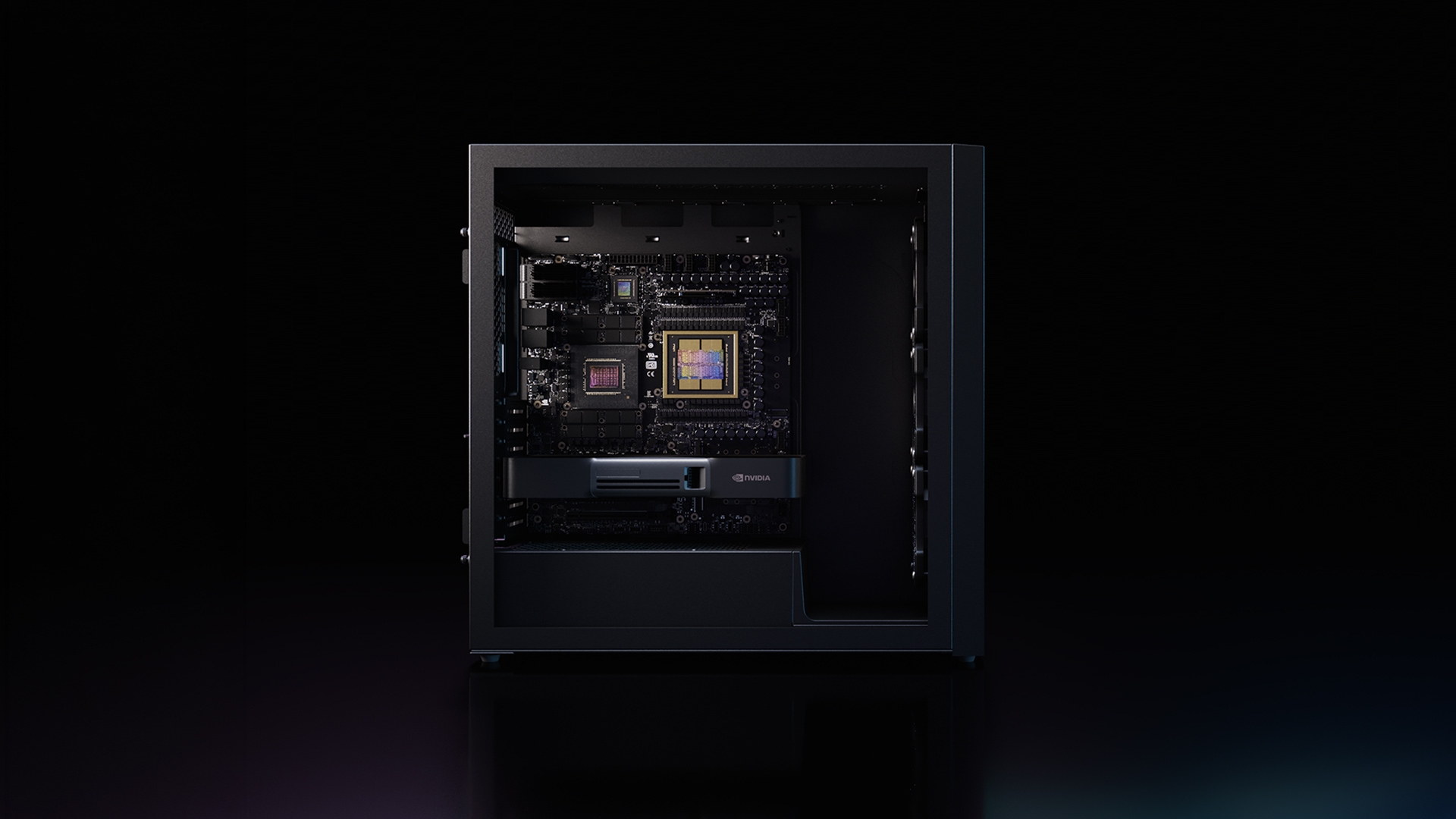
NVIDIA’s Vera Rubin GPU has arrived, marking a significant milestone in the company’s push to dominate the AI infrastructure space. Unlike its predecessors, which focused primarily on raw computational throughput, the Vera Rubin is specifically engineered for agentic AI systems—those capable of autonomous decision-making and complex task execution. This shift in architecture suggests NVIDIA is betting big on a future where AI agents, not just models, will drive demand.
So what’s different this time? The Vera Rubin packs 24 GB of HBM3e memory and a clock speed reaching up to 1.8 GHz, delivering substantial improvements in performance and efficiency. But the real innovation lies in its specialized design for AI agents, which could potentially revolutionize how these systems are trained and deployed. Early benchmark results hint at strong performance, but the question remains: can it translate that promise into real-world impact?
- Advanced compute power with 24 GB HBM3e memory
- Clock speed up to 1.8 GHz for high-performance workloads
- Specialized architecture for AI agents, not just traditional models
The cost, however, is a major hurdle. Priced at an estimated $12,000 per unit, the Vera Rubin is a premium offering that may limit accessibility for smaller teams and startups. This could create a tiered market where only well-funded entities can fully leverage its capabilities, raising questions about inclusivity in AI development.
Supply constraints are another challenge. Even high-end GPUs like the Vera Rubin are not immune to availability issues, which could delay widespread adoption. For developers, this means navigating a landscape where cutting-edge hardware is scarce, potentially shaping market dynamics in favor of those with early access.
The real test will be whether the Vera Rubin can deliver consistent performance across diverse AI workloads. If it sets a new standard for AI infrastructure, it could influence how future GPUs are designed. For now, developers and investors are watching closely, balancing optimism with caution as they await further developments.
One thing is clear: NVIDIA is not sitting still in the AI race. The Vera Rubin represents a bold step toward redefining what’s possible in AI infrastructure. Whether it becomes a game-changer or just another incremental leap remains to be seen, but its arrival signals that the future of AI is being written today—one GPU at a time.