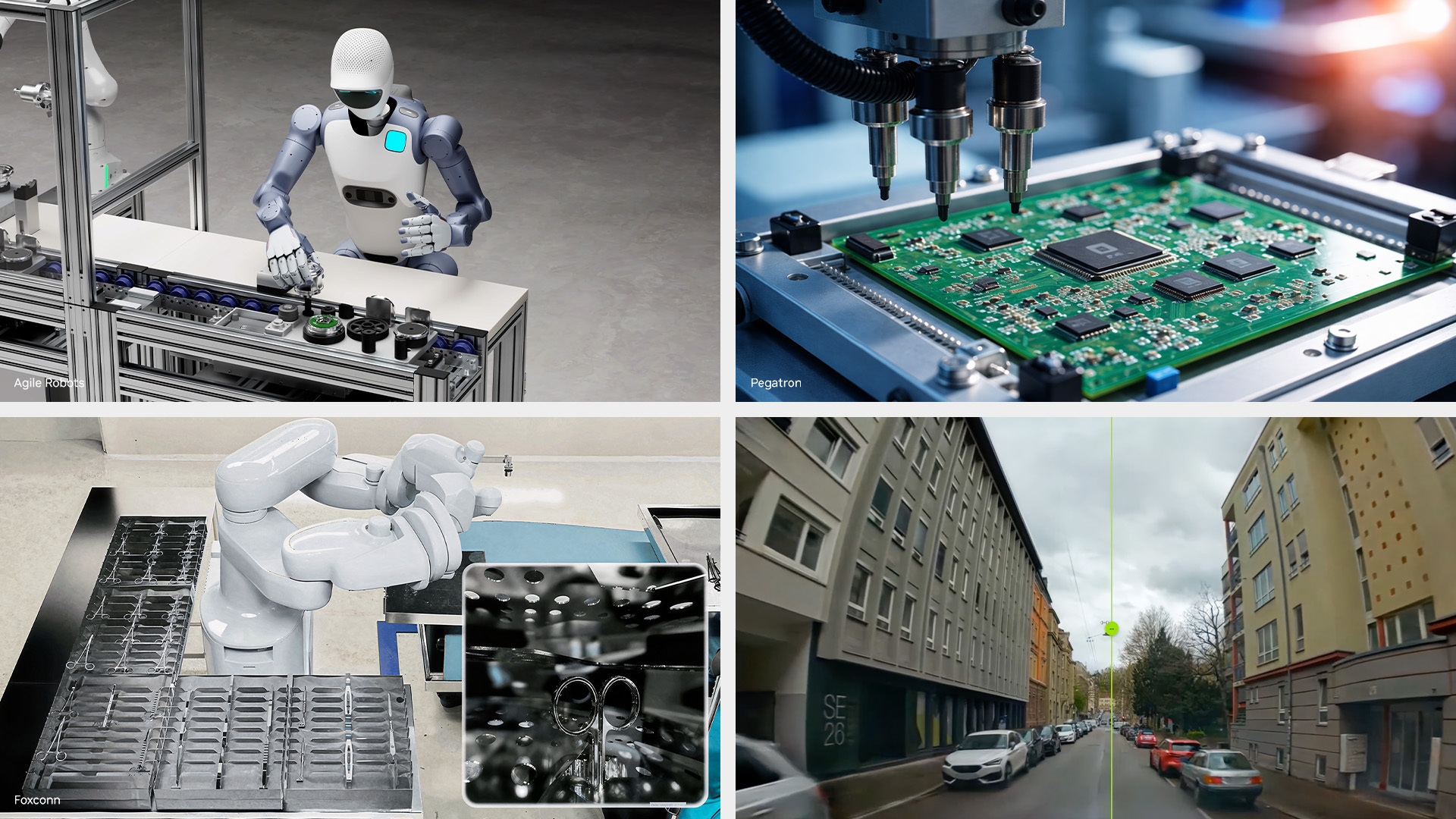
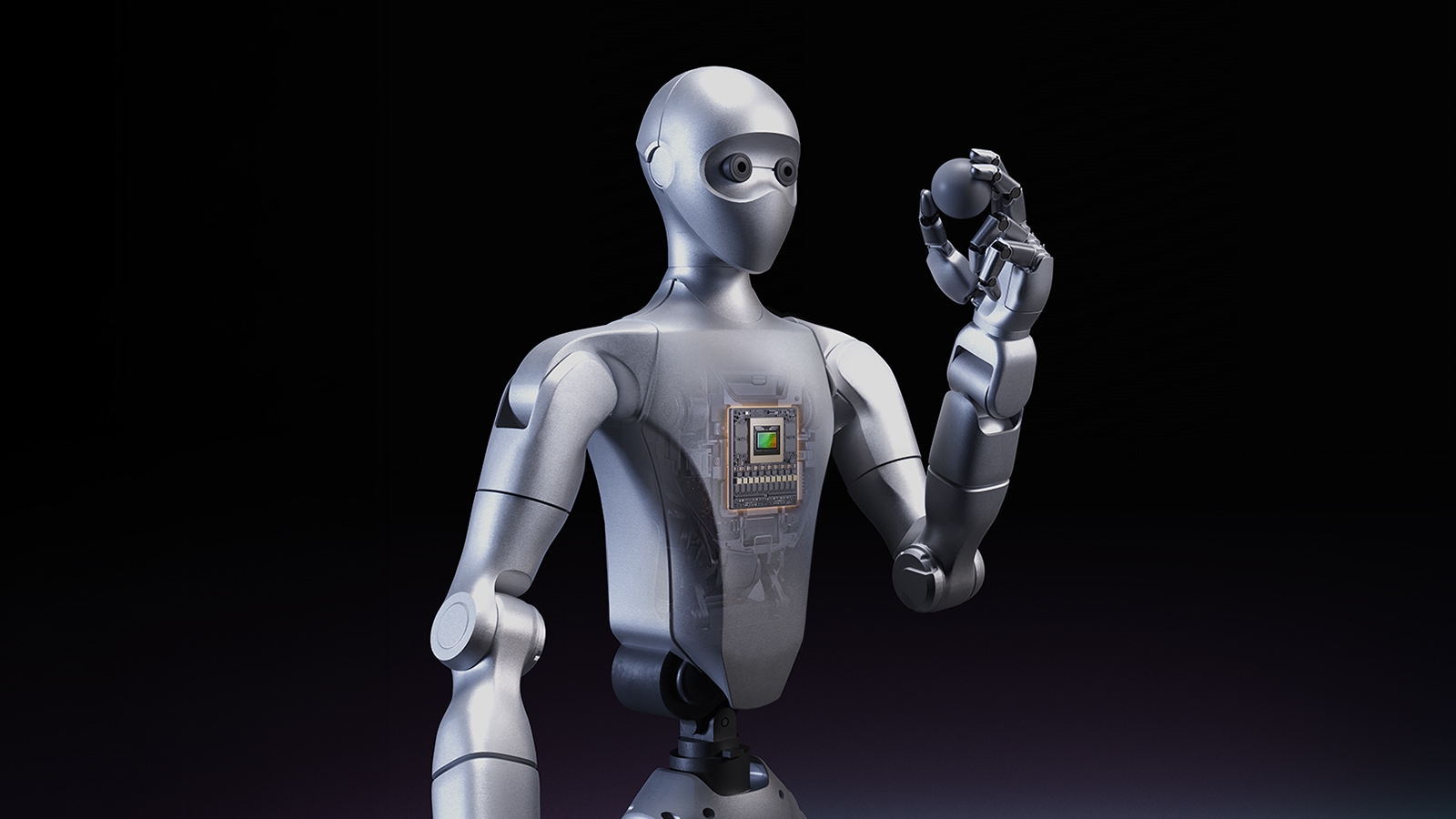
NVIDIA has released an open reference design for humanoid robots that promises to streamline academic research in AI-driven locomotion and environmental interaction. The Isaac GR00T is built around a modular, high-performance framework that balances computational demands with thermal constraints—a critical factor as robotics moves toward more complex, energy-efficient systems.
This isn’t just another hardware release; it’s a strategic push to democratize humanoid robot development. By providing a standardized foundation, NVIDIA is positioning itself at the intersection of research and industry, where the pressure to innovate has never been higher. The design targets creators working on motion planning, real-time perception, and adaptive control—areas where efficiency and heat management are non-negotiable.
Why This Matters for AI Robotics
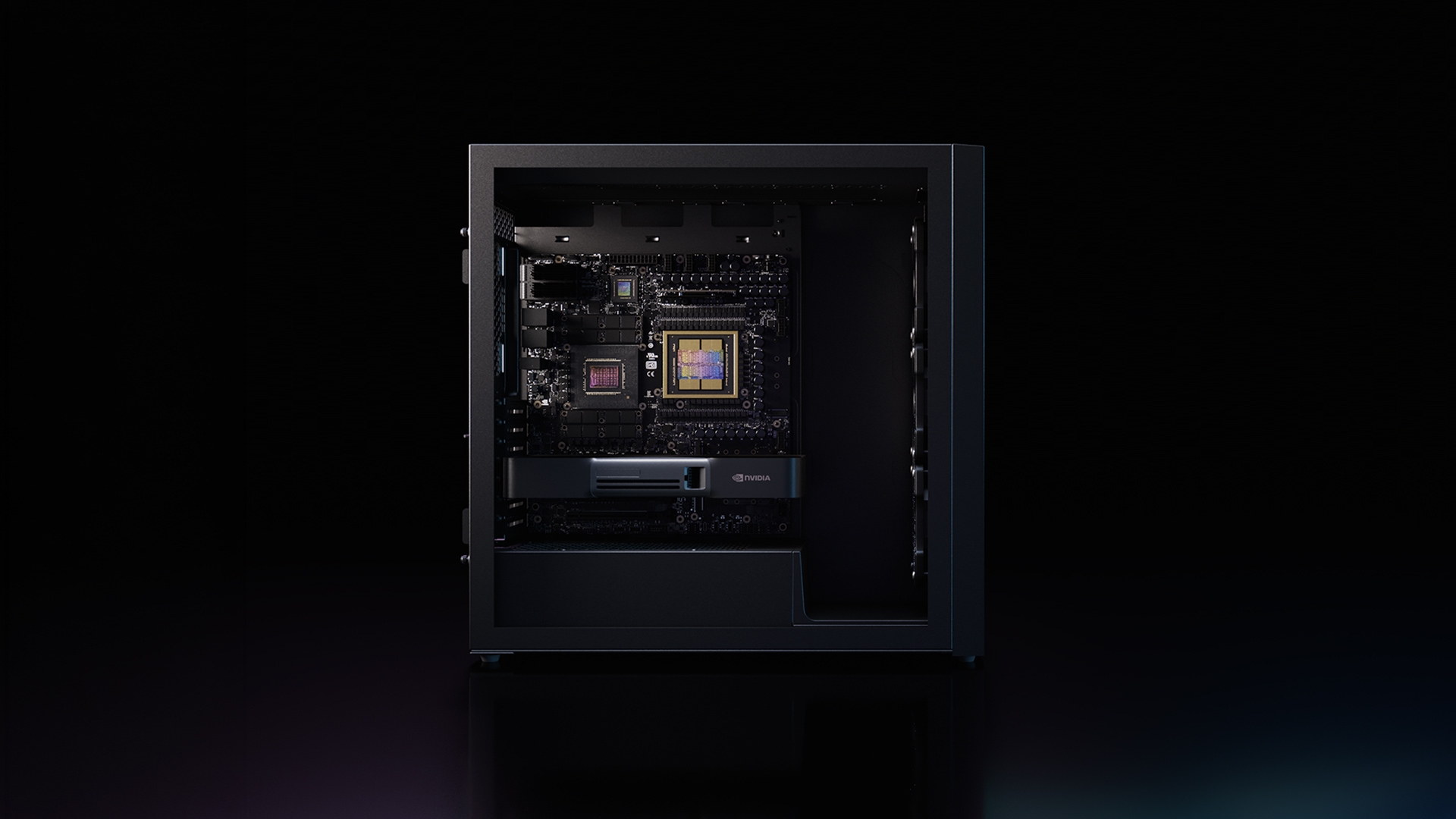
The Isaac GR00T reference design includes a 16-core CPU, 4GB of LPDDR5 RAM, and up to 32GB of NVMe storage. It’s powered by an NVIDIA Jetson AGX Orin module, which delivers 27 TOPS of AI performance while keeping power consumption in check—a delicate balance for systems that must operate continuously without overheating.
- 16-core CPU (NVIDIA AGX Orin)
- 4GB LPDDR5 RAM
- Up to 32GB NVMe storage
- 27 TOPS AI performance
- Modular thermal management
The real innovation lies in its modular architecture. Researchers can mix and match components—from sensors to power systems—to tailor the robot for specific tasks without starting from scratch. This flexibility is a game-changer for teams racing to push the boundaries of humanoid capability, whether it’s bipedal walking or dynamic object manipulation.
Efficiency as a Differentiator
Heat has always been the silent enemy in robotics. As systems grow more powerful, thermal solutions must evolve in lockstep. The Isaac GR00T addresses this head-on with an integrated cooling framework that adapts to workload demands, ensuring stability even under sustained AI processing. This isn’t just about performance; it’s about longevity and reliability—two factors that will determine which platforms survive the next wave of robotics innovation.
For creators, the implications are clear: faster iteration, lower entry barriers, and a shared ecosystem where progress is measured in collaboration, not competition. NVIDIA’s move signals that the future of humanoid robots won’t be built in isolation but through collective advancement—where open reference designs become the new standard.
The Isaac GR00T reference design will be available to academic institutions starting this quarter, setting a new benchmark for how research and industry can converge around a common goal: building smarter, more capable humanoid systems without sacrificing efficiency.