NVIDIA’s latest entry-level GPU, the RTX 5060, is officially here, and it’s a card that refuses to be pigeonholed. Priced at just $210 for the reference model and $180 for a select lineup of prebuilt systems, it’s positioned as the successor to the RTX 3060—a card that redefined budget gaming when it launched. But this isn’t just a refresh. The RTX 5060 brings Ada Lovelace architecture to the low-end, complete with DLSS 3, a feature previously reserved for high-end cards like the RTX 4090.
The RTX 5060 isn’t just a minor iteration. It’s a deliberate push to modernize NVIDIA’s budget lineup, offering a balance of performance, efficiency, and cutting-edge features that were once the domain of much pricier hardware. For gamers and creators on a budget, this could be the most compelling GPU release in years.
Where It Fits in the Lineup
The RTX 5060 slots in as the new baseline for NVIDIA’s consumer GPU roster, sitting directly below the RTX 4070. It’s not just a replacement for the RTX 3060—it’s a leap forward, leveraging Ada’s efficiency gains and AI-driven rendering to deliver near-flagship performance at a fraction of the cost. Compared to its predecessor, the RTX 5060 offers
- A 2x increase in VRAM, jumping from 12GB to a generous 8GB GDDR6.
- DLSS 3 support, including frame generation for smoother gameplay.
- Up to 2x the performance in rasterized workloads, thanks to Ada’s improved architecture.
- A more efficient power draw, making it a better fit for smaller builds.
What’s Under the Hood
The RTX 5060 is built on NVIDIA’s Ada Lovelace architecture, the same foundation powering the RTX 40 series. It features 3,072 CUDA cores, a 1,785 MHz boost clock, and 8GB of GDDR6 memory running at 12 Gbps. While it lacks the raw power of its bigger siblings, it makes up for it with smart optimizations. The inclusion of DLSS 3 is a game-changer, allowing it to push resolutions and frame rates that would otherwise be out of reach for a card in this price range.
One standout feature is the integration of NVIDIA’s AV1 encoder, which delivers near-lossless streaming quality without taxing the GPU. This makes the RTX 5060 not just a gaming card but a versatile tool for content creators and streamers as well.
Details That Matter
Performance benchmarks paint a clear picture: the RTX 5060 delivers roughly 1080p performance on par with the RTX 3070, a card that launched at twice the price. In 1440p, it holds its own against the RTX 3060 Ti, though it’s clear this is a 1080p-focused GPU. The real magic happens with DLSS 3 enabled, where frame generation can turn a 60 FPS game into a buttery 120 FPS experience—something no other card in this price bracket can match.
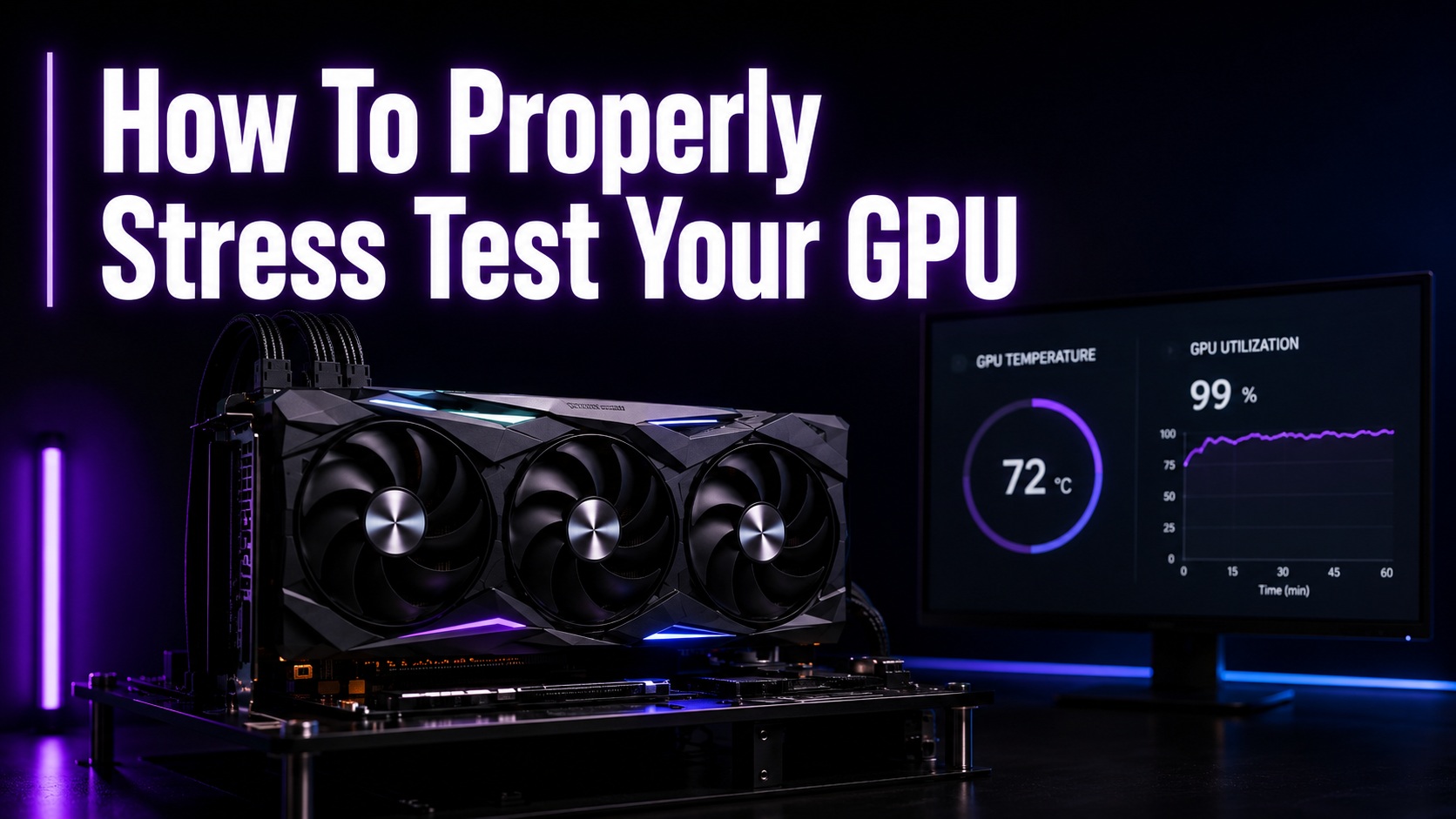
Power consumption is another bright spot. The RTX 5060 draws just 165W under load, making it compatible with even the most modest power supplies. This efficiency extends to thermal performance as well; the reference design runs cool, though aftermarket coolers from partners like ASUS, MSI, and Gigabyte will offer even better cooling and aesthetics.
Who Should Buy It?
The RTX 5060 is a no-brainer for gamers upgrading from older GPUs like the GTX 1660 or RTX 2060. It’s also an excellent choice for builders assembling a new system around a $1,000 budget, where it pairs well with an AMD Ryzen 5 5600 or Intel Core i5-12400F. Creators will appreciate its AV1 encoding capabilities, while streamers will benefit from its low power draw and high efficiency.
That said, it’s worth noting that the RTX 5060 isn’t a 1440p monster. If you’re aiming for higher resolutions, you’ll likely need to look at the RTX 4070 or even the RTX 4080. But for 1080p gaming, this is the best value NVIDIA has offered in years.
Pricing starts at $180 for prebuilt systems and $210 for the reference card, with aftermarket models expected to follow suit. Given its feature set, this is a steal—especially when compared to the RTX 3060’s launch price of $329. The RTX 5060 isn’t just an upgrade; it’s a revolution for budget gaming.