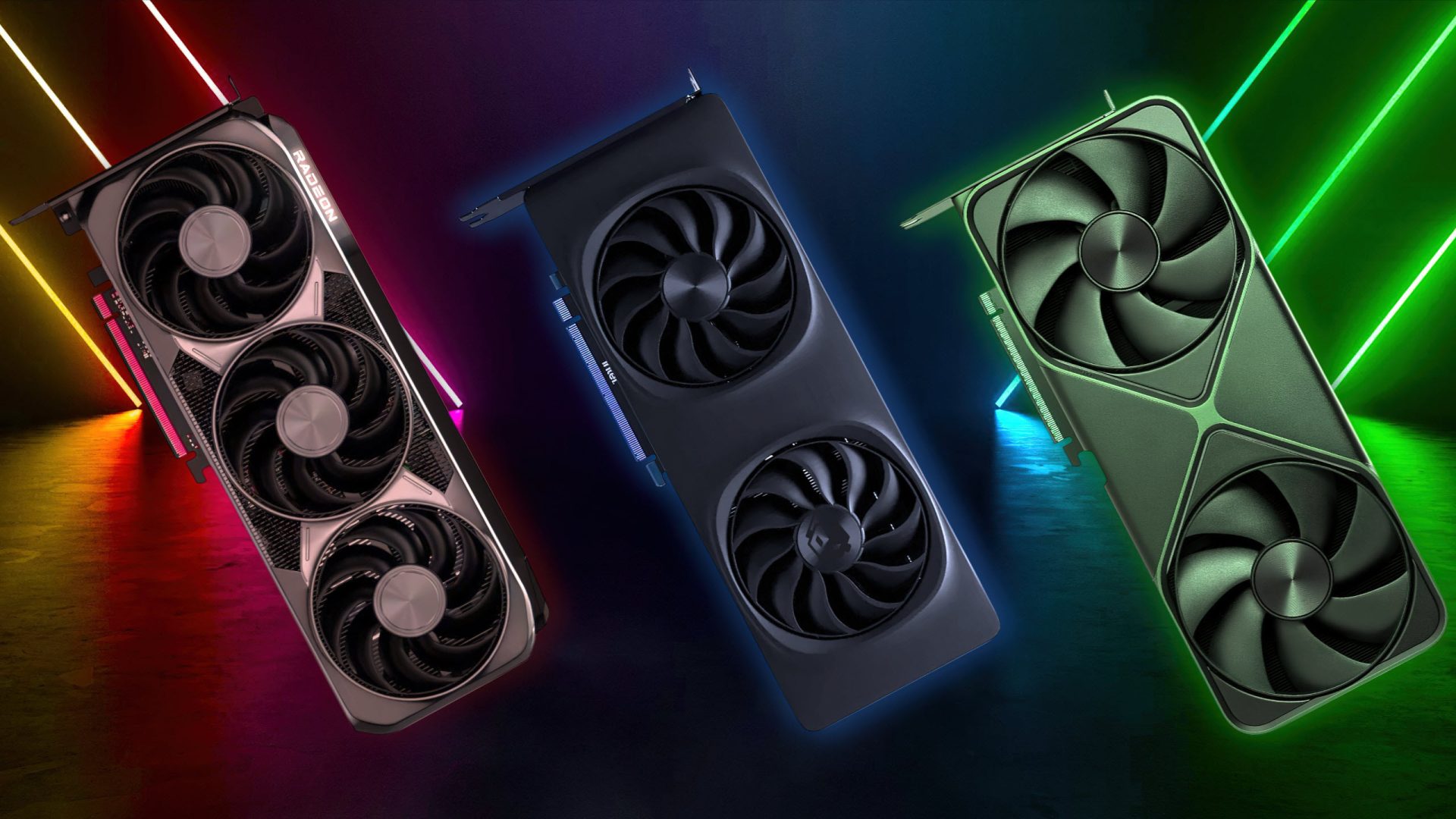
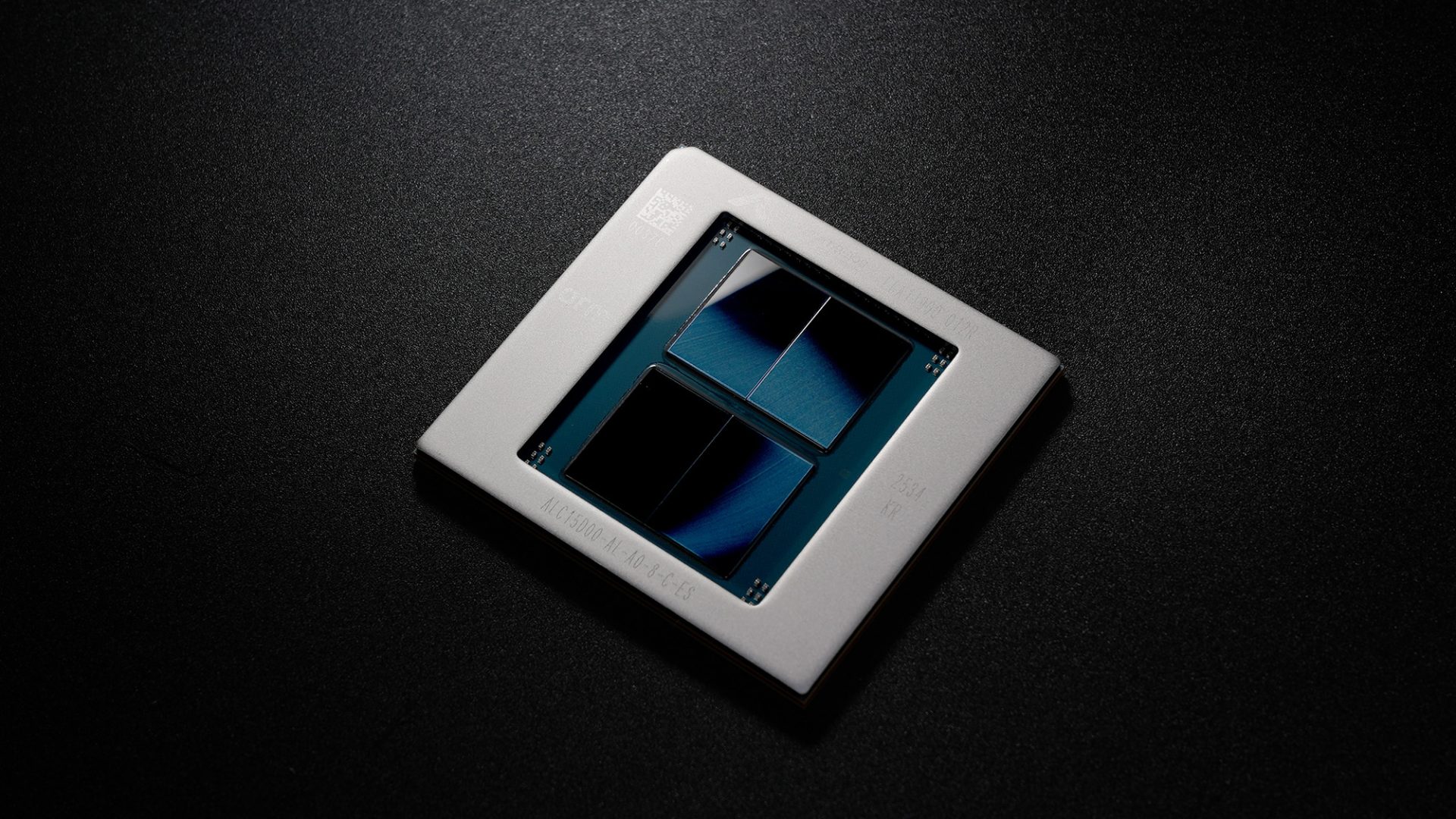
NVIDIA’s GPU roadmap may be about to get a high-end addition that even its most loyal enthusiasts haven’t seen coming. While the tech community remains focused on the rumored RTX 50-series SUPER refresh, a separate development effort appears to be underway for a new flagship model—one that could redefine the upper echelon of discrete graphics cards.
According to multiple industry contacts speaking to a French tech outlet, NVIDIA is reportedly working on a next-generation GPU that would sit above the current GeForce RTX 5090. This potential new model, codenamed 'Blackwell,' would mark a distinct evolution from the existing RTX 5000 series rather than a mere performance tweak. Sources suggest the card could be positioned as a Founders Edition-only release, targeting both gamers and AI workloads with a price tag potentially exceeding $5,000—a figure that aligns with earlier speculation about escalating demand in the AI sector.
Key details emerging from the discussion include
- A possible designation as the GeForce RTX 5090 Ti, distinguishing it from the existing RTX 5090.
- Rumors of a TITAN-esque design, reminiscent of NVIDIA’s high-end workstation cards from previous generations.
- A launch window as early as the Back to School period in Q3 2026, though component shortages could delay timelines.
The speculation follows a trail of clues left by industry insiders over the past year. Earlier this month, a leaked ASIC reference—GB202-200-A1—was tied to a hypothetical RTX TITAN Blackwell card, suggesting NVIDIA may be exploring a tier above its current consumer flagship. The move would not be without precedent; the company has historically reserved its most powerful GPUs for professional and AI applications before eventually trickling them down to gaming markets.

What makes this development particularly intriguing is the potential for a dual-purpose GPU. While the RTX 5090 has already carved a niche in AI workloads, a new Blackwell-based model could further solidify NVIDIA’s dominance in high-performance computing. The company’s recent pivot—including a $5 billion investment in Intel’s iGPUs—underscores its commitment to expanding its footprint in both consumer and enterprise markets. However, the prospect of a $5,000 GPU raises questions about scalability, especially as global component supply chains continue to face instability.
For now, the details remain speculative, but the convergence of multiple industry sources—including contacts from CES 2026 and beyond—suggests this isn’t just another rumor. If realized, the new model would not only challenge the boundaries of gaming performance but also reinforce NVIDIA’s position as the undisputed leader in accelerated computing.