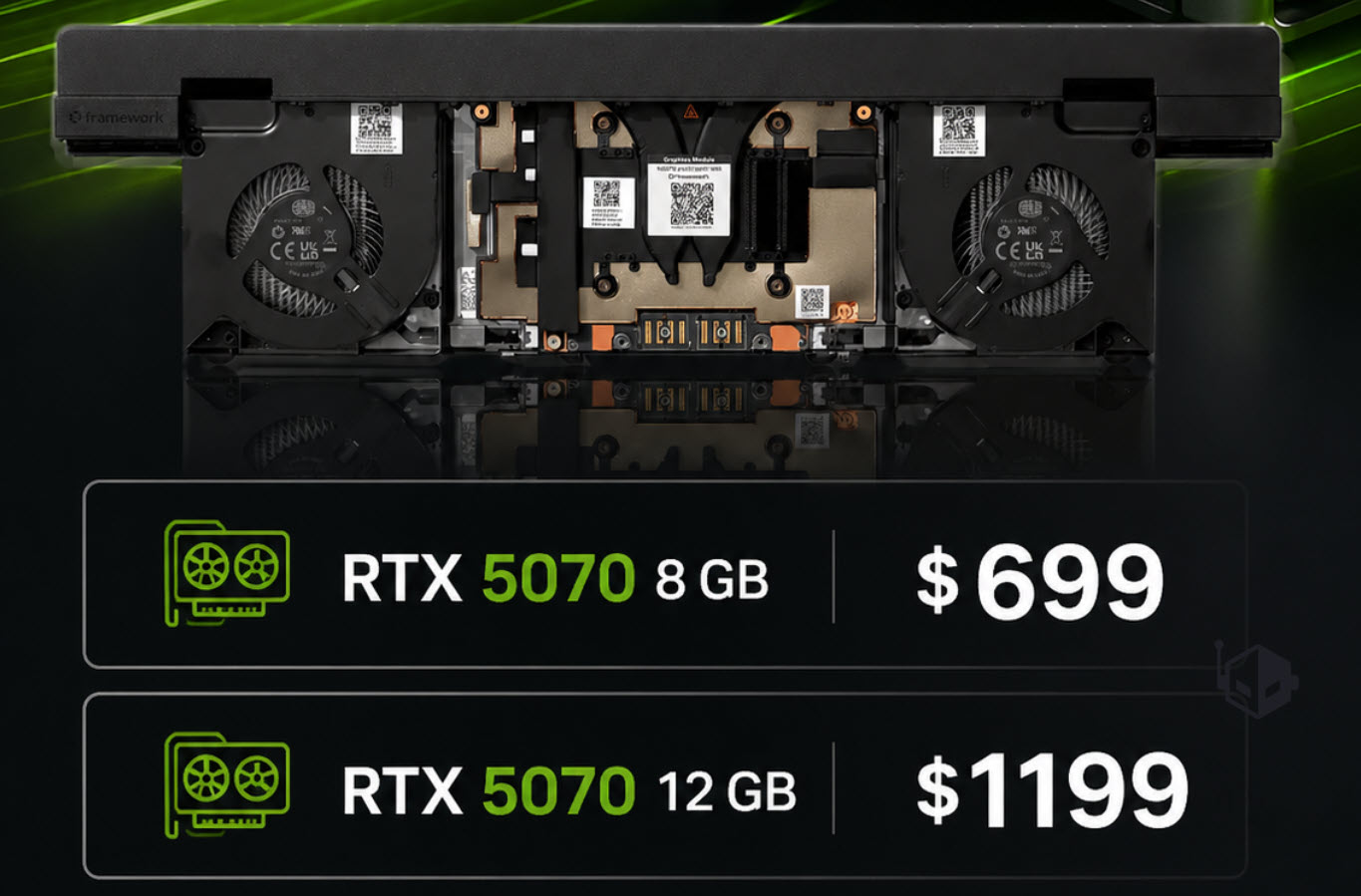
NVIDIA's latest RTX 50-series GPUs mark a departure from previous generations in more than just clock speeds and memory bandwidth. The introduction of GDDR7 memory and expanded VRAM capacities—up to 24 GB on the RTX 5070 laptop model—signals a shift toward higher-resolution textures and more demanding workloads, particularly in AI-driven applications. Yet, the real question for power users isn't just how fast these cards are but what it means to build or upgrade around them today.
The RTX 5070, positioned as a mid-range option with 12 GB of GDDR7 memory, and its high-end counterpart, the RTX 5090, with 24 GB, reflect a trend toward larger VRAM pools. This isn't just about gaming; it's about enabling new workflows in content creation, real-time rendering, and AI acceleration. But the move to GDDR7—NVIDIA's first foray into this memory standard—introduces its own set of considerations. GDDR7 offers higher bandwidth and efficiency than previous generations, but its adoption could also mean tighter integration with NVIDIA's ecosystem, from drivers to software optimizations.
For power users, the implications are twofold. On one hand, the RTX 50-series delivers noticeable improvements in performance, particularly in ray tracing and AI upscaling features like DLSS. The RTX 5070 laptop GPU, for example, is designed to handle high-resolution displays and demanding applications without thermal throttling. On the other hand, the push toward GDDR7 and larger VRAM capacities raises questions about compatibility with existing platforms. Not all motherboards or systems may be ready for these new memory standards, and the long-term value of investing in 24 GB of VRAM—especially at a time when AI workloads are rapidly evolving—becomes a gamble.
NVIDIA's approach also underscores its commitment to platform lock-in. The RTX 50-series isn't just an incremental upgrade; it's a rethinking of how GPUs interact with software, from game-ready drivers that optimize performance for specific titles to AI features like DLSS Multi Frame Generation and Super Resolution. While these tools enhance usability, they also create dependencies that could make it harder for users to switch between hardware or software ecosystems without sacrificing performance.
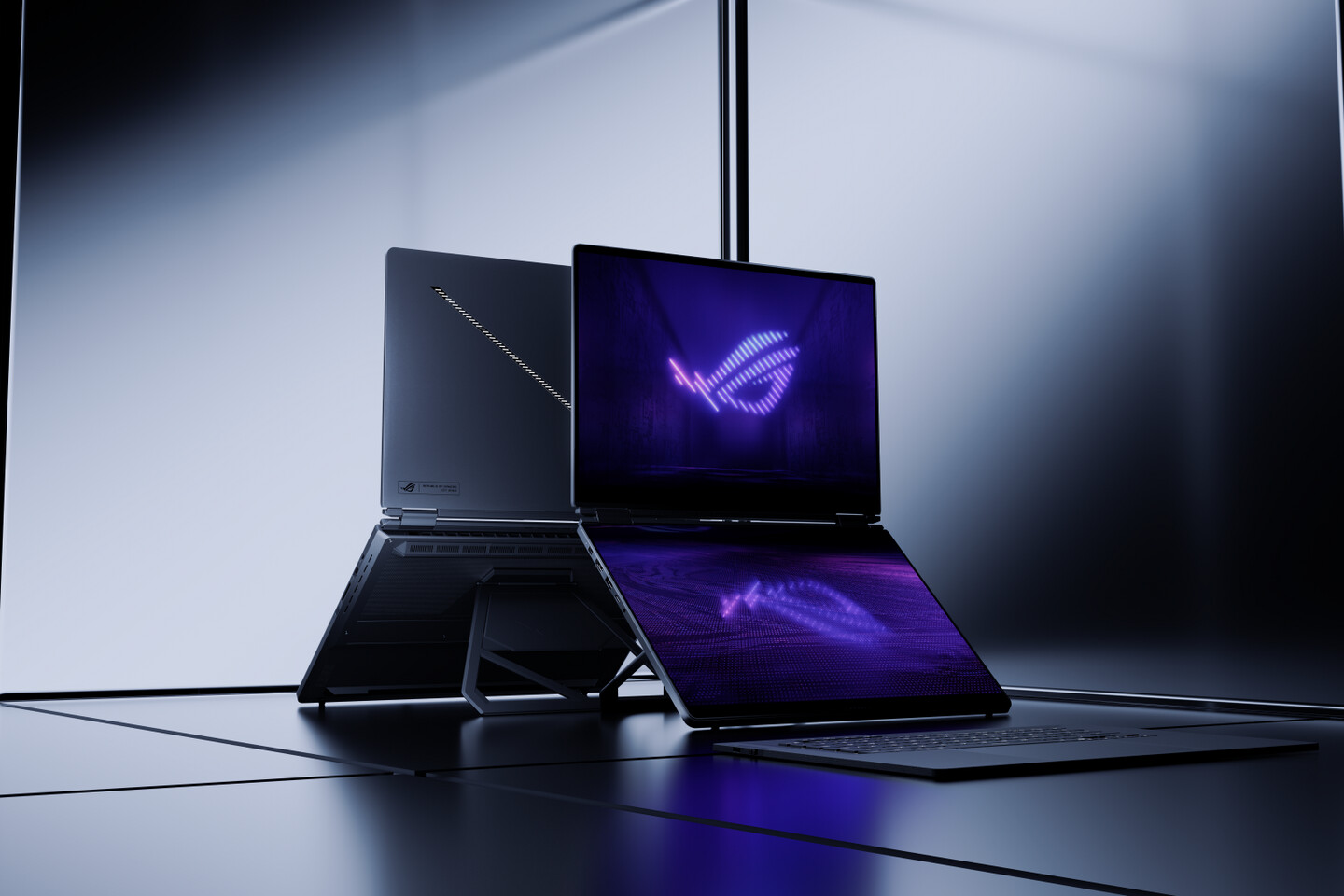
The RTX 5070 laptop model, with its 12 GB GDDR7 memory, is a case in point. It's built for portability and power, but the trade-offs—higher power consumption, thermal constraints, and potential battery life impacts—are worth noting. For desktop users, the RTX 5090 offers a more traditional high-end experience, but its 24 GB VRAM is a significant jump from previous generations, raising questions about whether this capacity will remain relevant as AI workloads continue to grow.
Ultimately, the RTX 50-series represents a pivotal moment for NVIDIA. It's not just about pushing performance metrics; it's about redefining what users expect from a GPU and how they integrate into broader systems. The shift to GDDR7 and larger VRAM capacities is a clear indicator of where the industry is headed, but whether power users will embrace this direction—or wait for the next evolution—remains an open question.