NVIDIA’s next-generation AI chip, codenamed Feynman, is poised to break new ground in semiconductor packaging, potentially setting a precedent for future AI hardware design. Meanwhile, TSMC is fast-tracking its own advanced packaging roadmap, with CoPoS production targeted for 2028—a move that could reshape the industry’s approach to chip scaling and performance.
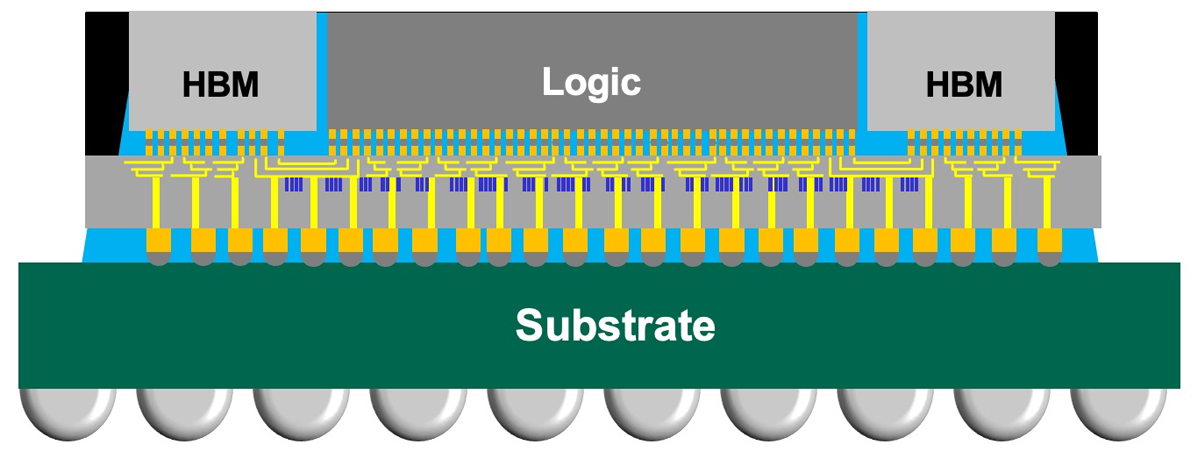
The Feynman chip, expected to leverage NVIDIA’s latest advancements in AI acceleration, is designed to push the limits of current chip-on-wafer (CoWoS) packaging. If successful, it could enable more compact, high-performance AI systems without sacrificing efficiency or thermal management. This aligns with a broader industry trend toward denser, more integrated hardware solutions, particularly as demand for AI workloads continues to grow.
TSMC’s shift from CoWoS to chip-on-wafer-on-substrate (CoPoS) represents a significant leap in packaging technology. CoPoS is intended to offer even greater density and performance, but its production ramp-up is being accelerated due to competitive pressure. Analysts suggest that TSMC’s move could force other foundries to rethink their own packaging strategies, potentially leading to a new wave of innovation in how chips are designed and manufactured.
For enterprise buyers, the implications are clear: AI hardware is becoming more densely packed, yet more capable than ever. The Feynman chip and TSMC’s CoPoS roadmap signal that the next generation of AI systems will prioritize both performance and efficiency, with potential tradeoffs in thermal management and power consumption. Companies evaluating AI infrastructure should prepare for a landscape where packaging innovation plays as critical a role as silicon itself.
As these technologies mature, the market will need to adapt to new constraints—such as thermal design considerations and power requirements—that come with ultra-dense packaging. The race is on not just to build faster chips, but to rethink how those chips are physically assembled and cooled. For now, NVIDIA’s Feynman chip remains a key benchmark for what’s possible, while TSMC’s CoPoS timeline sets the stage for a potential industry-wide shift in 2028.