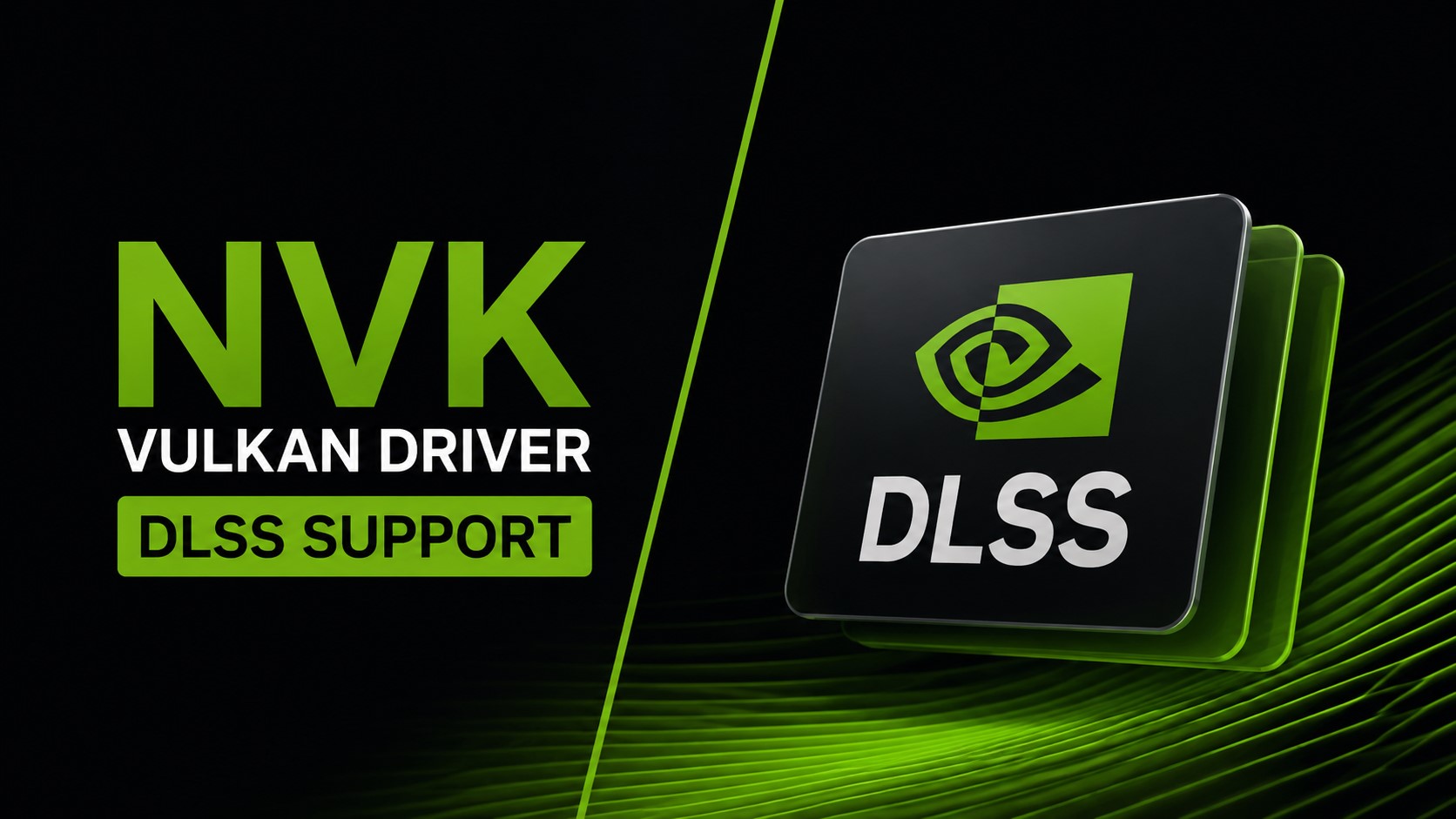
NVIDIA has introduced DLSS 5, a version that pushes the boundaries of AI-driven rendering with a claimed 2.4x performance boost in supported games. This leap is notable not just for its technical achievements but also because it arrives at a time when user expectations for upscaling solutions are higher than ever.
The new DLSS iteration builds on NVIDIA's existing framework, integrating advanced AI techniques to enhance frame rates and image quality without sacrificing detail. However, the question remains: will this performance translate into real-world improvements that justify its adoption? Early reactions suggest a mix of excitement and skepticism, with power users closely examining whether the benefits outweigh the potential drawbacks.
Performance and Practicality
DLSS 5 introduces features like Frame Generation and Quality Preservation, which aim to deliver smoother gameplay and higher resolution outputs. These capabilities are designed to address common pain points in gaming, such as stuttering and lower frame rates on high-resolution displays. Yet, the effectiveness of these features depends heavily on game optimization and hardware compatibility.
NVIDIA claims that DLSS 5 will support a growing list of titles, including AAA games and esports titles, which could broaden its appeal. However, the actual performance gains may vary significantly depending on the game engine and how developers implement these features. This variability raises concerns about whether DLSS 5 will live up to its marketing promises or if it will be another step forward that leaves some users behind.

Community Reactions
A notable theme emerging from user discussions is the focus on real-world performance rather than theoretical benchmarks. While NVIDIA's claims of a 2.4x performance boost are impressive, many power users are more interested in how this translates to their daily gaming experiences. Concerns about input lag, image quality degradation, and compatibility with existing hardware have surfaced, indicating that the adoption of DLSS 5 may not be as seamless as hoped.
Another point of contention is the learning curve associated with new features like Frame Generation. Users accustomed to traditional rendering methods may find it challenging to adjust, leading to potential frustration. This could slow down widespread adoption unless NVIDIA provides robust tools and resources to support developers and users alike.
Looking Ahead
The introduction of DLSS 5 marks a significant milestone in NVIDIA's efforts to push the boundaries of AI-driven rendering. However, its success hinges on more than just technical prowess; it requires careful consideration of user needs and expectations. As developers begin to integrate these features into their games, the true impact of DLSS 5 will become clearer.
For power users, the decision to upgrade will likely come down to a balance between performance gains and potential drawbacks. While NVIDIA's innovations continue to push the envelope, staying cautious about overpromising is crucial. The gaming community will be watching closely, and only time will tell whether DLSS 5 lives up to its hype or becomes another example of technology outpacing practical adoption.