The scenario is familiar: a mid-range GPU, capable of delivering high-end performance with the right software. This isn't science fiction—it's what DLSS 5 promises to do for RTX 40-series cards. But the implications stretch beyond mere technological advancement. They question whether the industry can remain open when one company's innovation becomes the standard by default.
DLSS 5 is Nvidia's most ambitious upscaling technology yet, designed to blur the line between mid-range and high-end GPUs. It doesn't just enhance resolution; it redefines how games are rendered in real time. The result? A performance gap that widens between RTX cards and their AMD counterparts, even when both share the same underlying hardware architecture.
At its core, DLSS 5 leverages Nvidia's Tensor Cores to reconstruct missing pixels with AI-driven precision. Unlike previous versions, which relied on static frame generation, this iteration introduces dynamic scene reconstruction. Games can now render at lower resolutions and upscale them without noticeable artifacts, pushing frame rates to near-120 FPS on an RTX 4080 in titles like Cyberpunk 2077. The catch? It demands significant compute power—something only the RTX 40 series delivers efficiently.
Performance: Closing the Gap or Widening It?
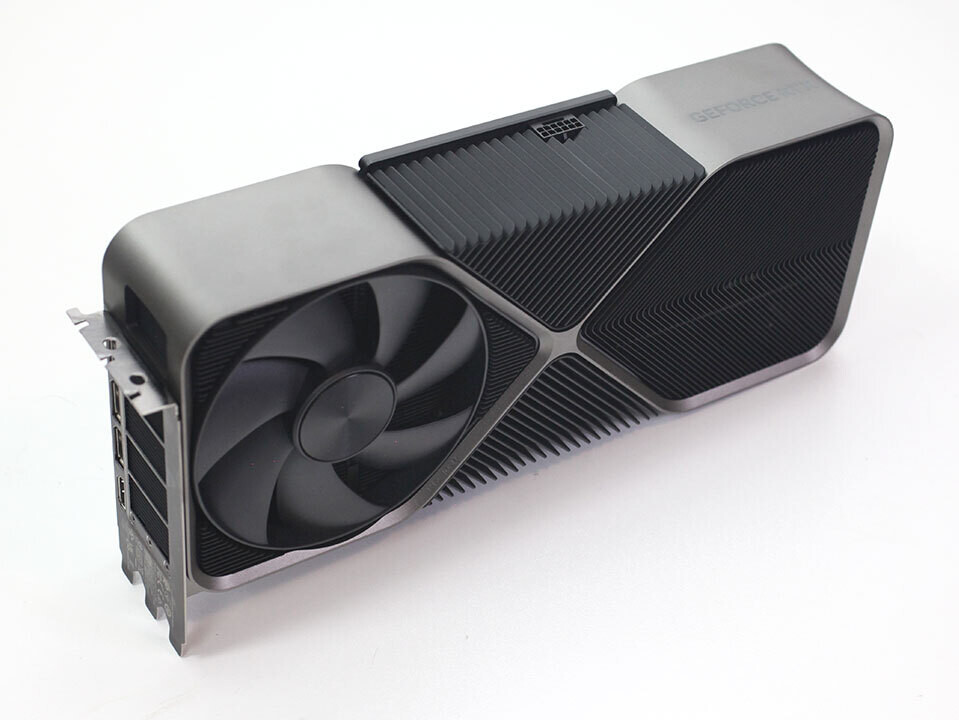
The numbers are undeniably impressive. On an RTX 4080, DLSS 5 can achieve frame rates that were once unthinkable on lower-end GPUs. An RTX 4070, for example, now delivers performance previously reserved for an RTX 4090—without DLSS 5. This isn't just about making games smoother; it's about redefining what's possible with a given piece of hardware.

Efficiency: A Double-Edged Sword
The efficiency gains are clear. DLSS 5 reduces GPU load by rendering at lower resolutions and upscaling, leading to less power consumption and more sustained frame rates. However, this comes with a trade-off: the more developers rely on DLSS 5, the harder it becomes for AMD to compete. While AMD's FSR (FidelityFX Super Resolution) technology offers similar upscaling, it lacks the dynamic scene reconstruction that DLSS 5 provides. This creates a scenario where Nvidia isn't just leading in performance—it's setting the bar so high that others can't even catch up.
Platform Lock-In: The Unseen Consequence
The real concern for consumers and developers alike is platform lock-in. DLSS 5 isn't just a feature; it's becoming an integral part of how games are optimized. Developers who invest in DLSS 5 integration risk alienating players without Nvidia hardware, while those who stick with FSR or native resolution scaling miss out on the performance boosts that DLSS 5 provides. This creates a feedback loop where Nvidia's ecosystem becomes the de facto standard—not because it's necessarily better in every way, but because the alternative is increasingly less viable.
What to Watch
The next few months will be critical. Will more games adopt DLSS 5 at launch, or will developers hedge their bets by supporting both FSR and DLSS? How will AMD respond with its own advancements in upscaling technology? And perhaps most importantly, will consumers see this as a net positive for the industry—or just another step toward a more closed ecosystem? The answer may lie in how these technologies evolve beyond raw performance, into areas like ray tracing quality and AI-driven enhancements that could further entrench Nvidia's dominance.