An AI supercomputer capable of operating in the vacuum of space has been deployed by NVIDIA, marking a significant advance in orbital computing. This system, optimized for low Earth orbit (LEO) conditions, combines high-performance computing with extreme thermal management to support next-generation satellite and deep-space missions.
The architecture leverages NVIDIA's latest GPU technology, delivering 1 petaFLOP of AI performance while maintaining operational stability in temperatures ranging from -40°C to +85°C. This level of computational density—achieved with a power efficiency of 20 FLOPS per watt—sets a new benchmark for space-based AI workloads.
Key to the system's design is its ability to handle real-time data processing for satellite imagery, deep-space communication, and autonomous navigation. The hardware is built around a modular, radiation-hardened GPU cluster, allowing mission planners to scale performance based on specific requirements while minimizing mass and power consumption—critical constraints in space deployment.
That’s the upside: a system that can process complex AI models in orbit without traditional cooling infrastructure. Here’s the catch: achieving this required rethinking thermal management from the ground up. The solution involves liquid cooling loops with phase-change materials, ensuring heat dissipation even when conventional radiators are less effective in LEO.
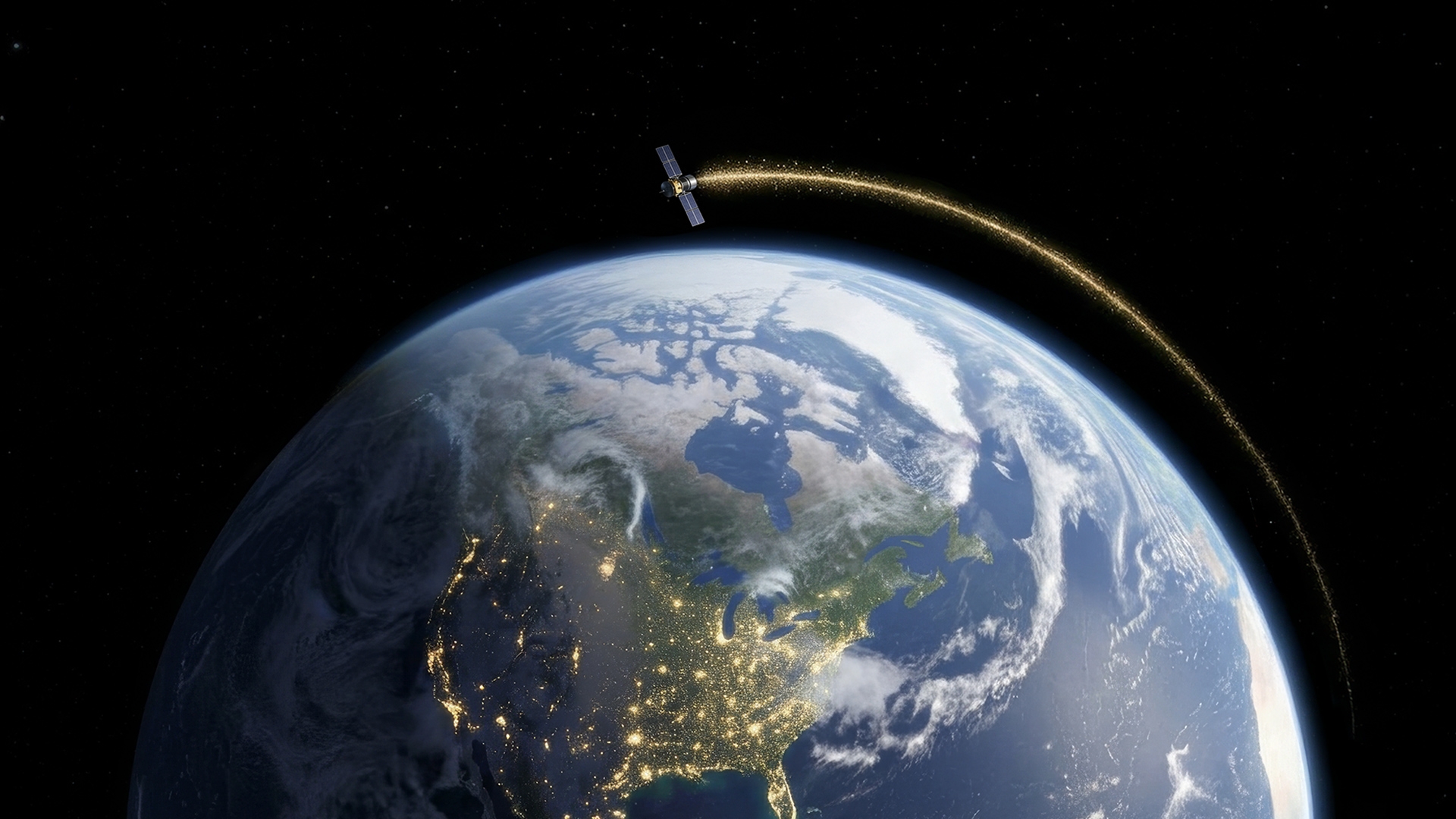
For enterprise buyers and space agencies, this system opens new possibilities for on-orbit data analysis, reducing latency by processing workloads closer to the source. Traditional ground-based processing often introduces delays that can be mission-critical. With this supercomputer, real-time decision-making becomes feasible—whether it's adjusting satellite paths or analyzing deep-space telescope data.
The market dynamics are shifting. Enterprises investing in LEO constellations now have a viable option to offload AI workloads from terrestrial data centers to orbit, lowering bandwidth costs and improving responsiveness. However, the long-term impact remains tied to two unknowns: the scalability of this architecture for deep-space missions beyond LEO, and whether the thermal management approach can be adapted for even more extreme environments like lunar or Martian surfaces.
What’s confirmed is a breakthrough in performance-per-watt for space computing. What’s still unconfirmed is how quickly this technology will transition from high-value satellite applications to broader commercial use cases—such as edge AI processing on orbital infrastructure.