Nvidia has abandoned plans to release any new gaming GPUs in 2026, with the next-generation RTX 60-series now delayed beyond 2027—potentially as far as 2028. The shift stems from a persistent memory shortage that has left DRAM supply dominated by AI server demand, leaving little for consumer hardware.
The cancellation effectively kills rumors of a RTX 50-series Super refresh, which would have included an 18 GB RTX 5070 Super (using multiple 3 GB GDDR7 modules) and a 24 GB RTX 5080. Nvidia had already signaled production cuts of up to 40% for current-gen GPUs this year, and reports now confirm those reductions are underway.
The bottleneck isn’t just about supply—it’s about economics. Current RTX 50-series cards already sell for inflated prices, and a Super refresh with higher VRAM would only deepen the issue. Meanwhile, TSMC’s limited wafer capacity is being prioritized for AI-focused GPUs, leaving gaming hardware further constrained.
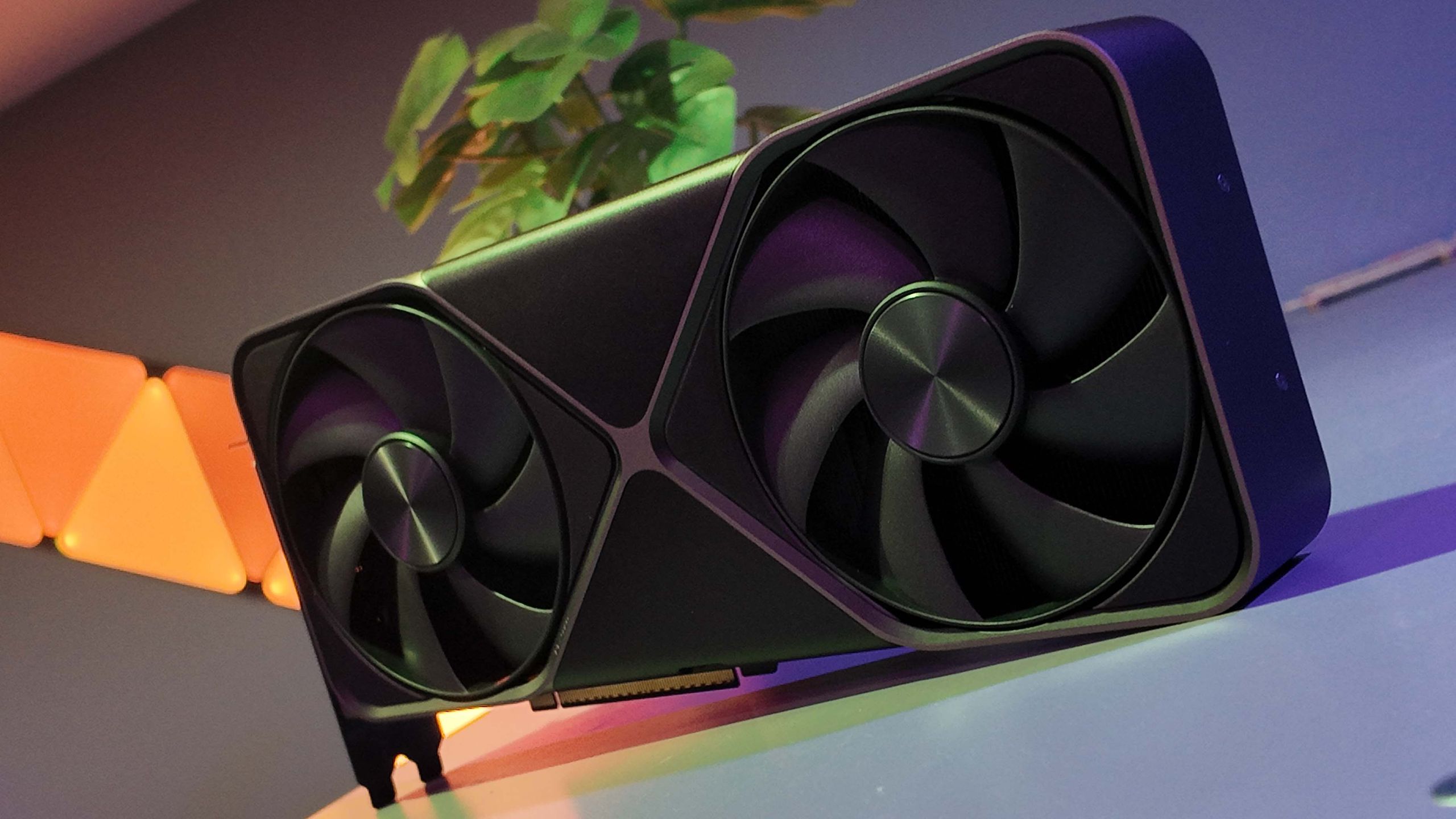
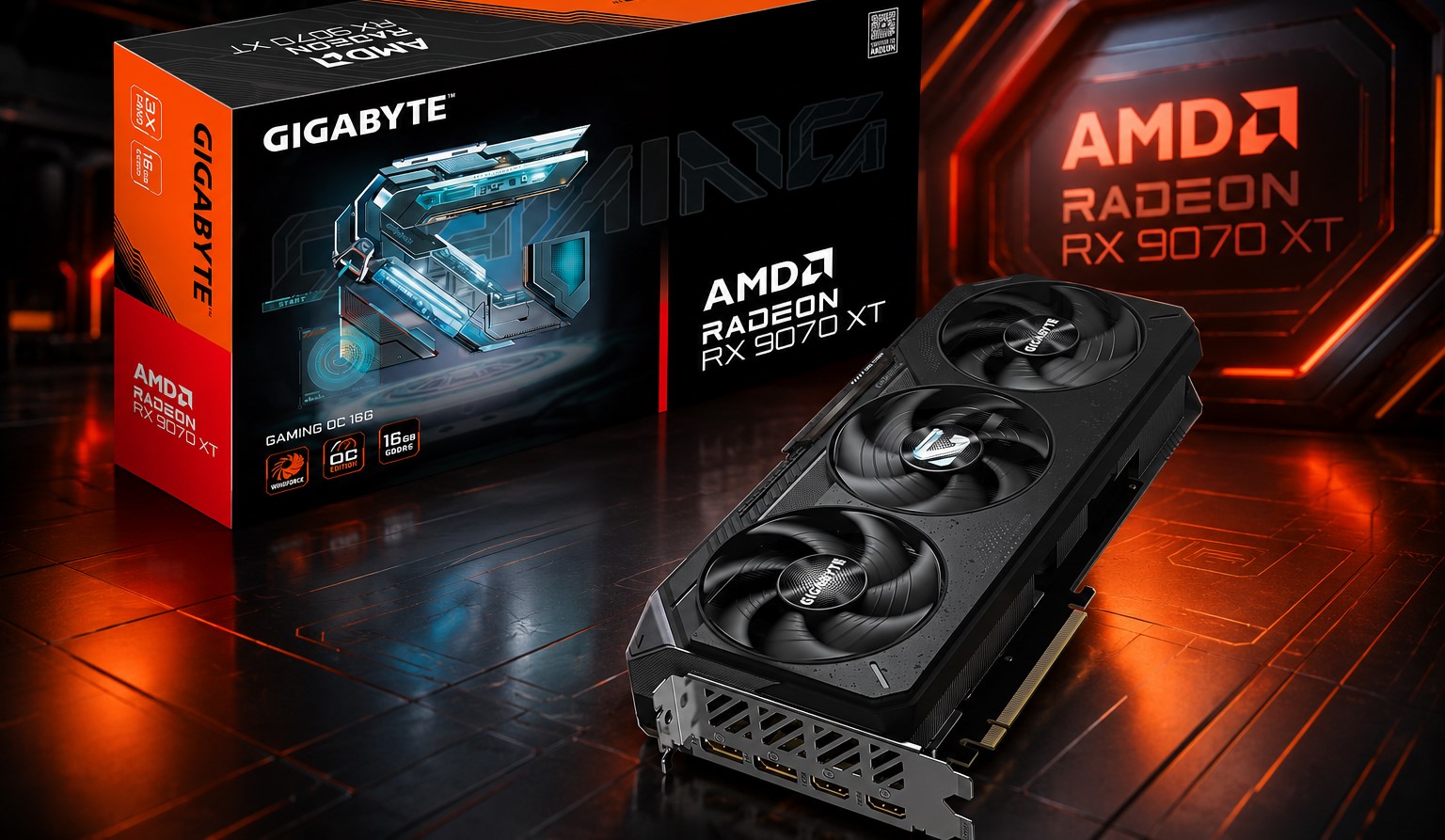
For consumers, the impact is clear: no new Nvidia GPUs in 2026, and a long wait for the RTX 60-series. AMD’s RX 9070, RX 9070 XT, and RX 9060 XT remain the only near-term options, though they too face memory-related price pressures.
The delay also raises questions about Nvidia’s long-term strategy. The company’s Feynman architecture—successor to Rubin—is already slated for AI-focused releases in 2028, suggesting gaming GPUs may take a backseat to data-center needs. Analysts predict DRAM supply could improve by 2028, but AI demand may keep prices elevated.
In the short term, gamers with existing GPUs may hold onto them, while those needing upgrades could face limited choices and higher costs. AMD’s next-gen RDNA5/UDNA plans remain unclear, adding to uncertainty in a market already strained by supply chain challenges.