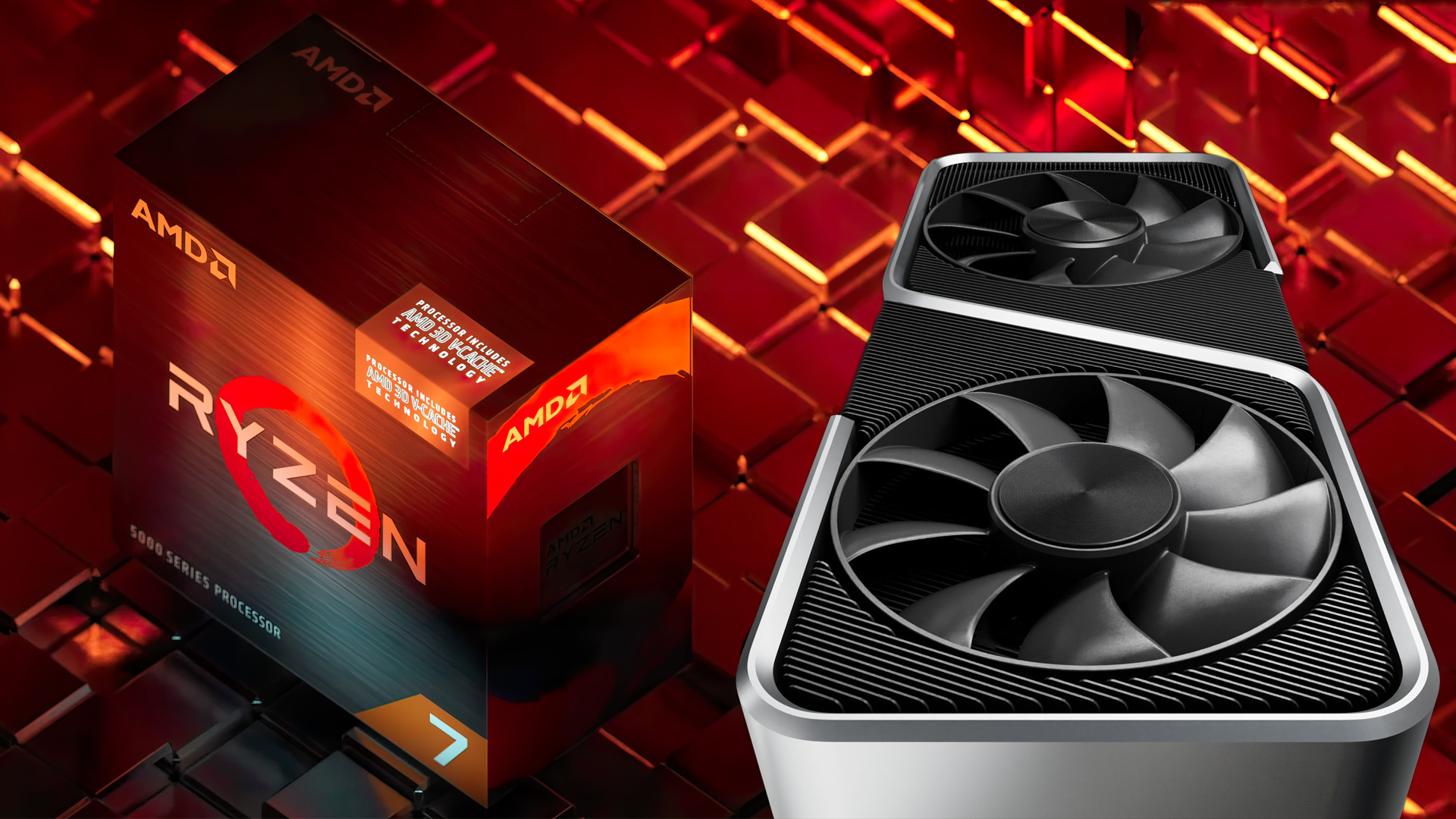
NVIDIA’s production strategy is undergoing a significant shift as it prioritizes lower-tier GPUs in response to a worsening GDDR7 shortage. The company is focusing on the GeForce RTX 5060 and its 8GB variant, while scaling back output for higher-end models like the 5060 Ti (16GB) and 5070 Ti. This change is likely to create scarcity for premium GPUs, pushing prices even further—potentially to $5,000 for the RTX 5090 by late 2026.
The GDDR7 shortage, exacerbated by surging demand from AI applications and data centers, has disrupted supply chains across the industry. This isn’t limited to GPUs; laptop and smartphone manufacturers are reportedly trimming RAM on flagship devices to manage costs, while next-gen consoles may also face delays due to memory constraints.

- Key Specs:
- GeForce RTX 5060 (8GB GDDR7) – Entry-level focus
- RTX 5090 – Potential price surge to $5,000
- GDDR7 memory – Critical bottleneck for high-end GPUs
The shift raises questions about the future of mid-range and high-end GPUs. While NVIDIA’s move may stabilize entry-level markets, it leaves enthusiasts and professionals scrambling for alternatives as premium models become harder to find. The RTX 5060 (8GB) may remain a viable option for budget-conscious gamers, but those eyeing the 1080p experience or beyond will face tougher choices.
Looking ahead, the situation could worsen if demand from AI infrastructure continues unabated. The next generation of consoles and even consumer electronics may feel the pinch, with manufacturers forced to reconsider memory allocations. For now, buyers should brace for volatility in GPU pricing and availability, especially around CES 2026.