The RTX 50 series from NVIDIA is anticipated to deliver substantial improvements in efficiency compared to its predecessors, with a focus on AI acceleration and advanced ray tracing. The two models—RTX 5060 Ti and RTX 5060—will likely set new benchmarks for performance per watt, addressing both consumer gaming and professional workloads.
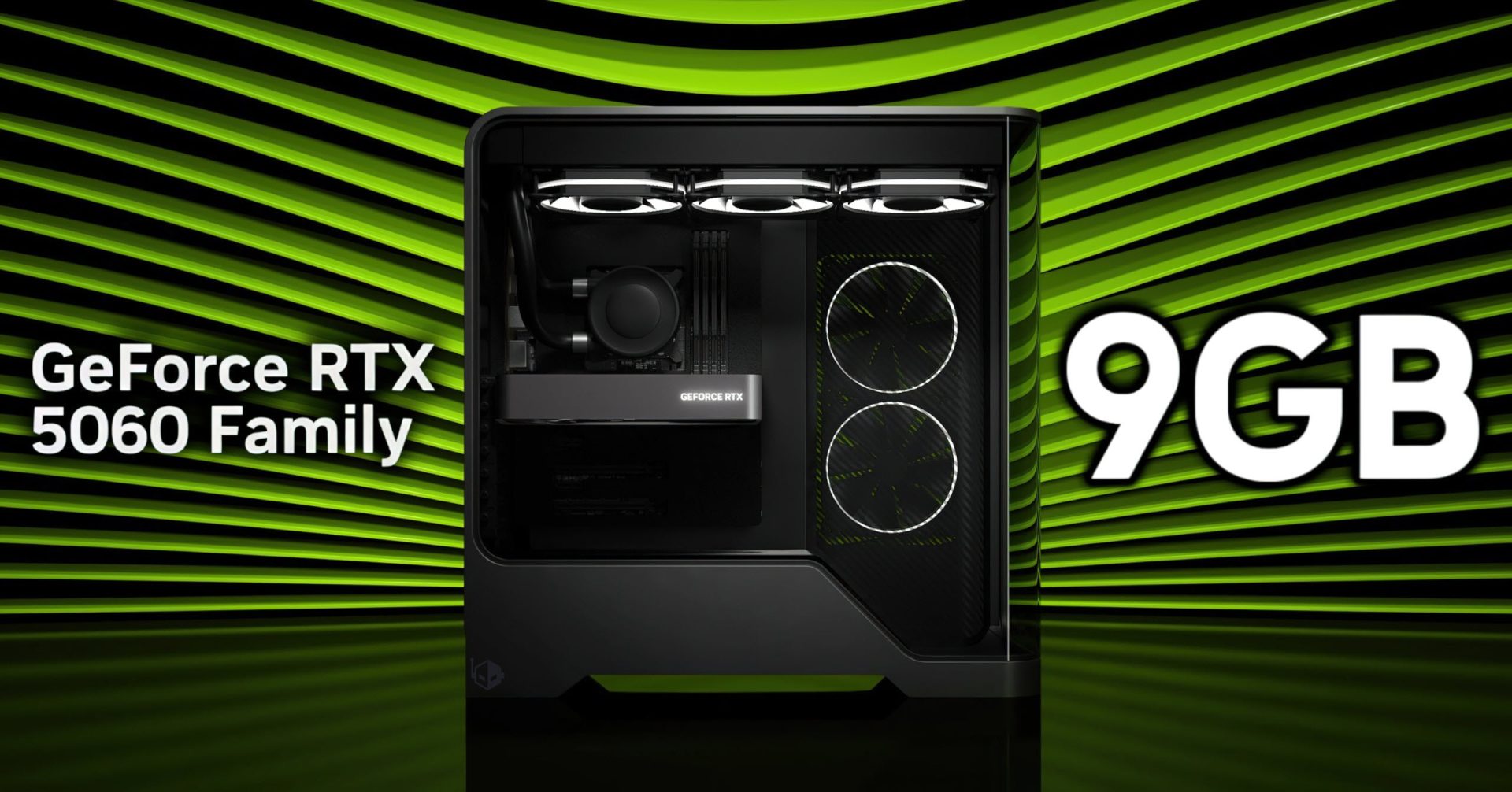
One notable specification is the use of GDDR7 memory, replacing HBM2e in some previous generations. The RTX 5060 Ti will come with 9 GB of GDDR7, while the RTX 5060 will feature 8 GB of GDDR7 plus an additional 1 GB of memory. This increase in bandwidth suggests a stronger emphasis on tasks requiring higher memory capacity, such as AI training and high-resolution rendering.
Architectural Advancements and Performance Expectations
The architecture behind the RTX 50 series is expected to build upon NVIDIA's latest advancements in AI-focused GPU design. While details on core clock speeds and power consumption are not yet available, industry estimates indicate a significant leap forward in efficiency. This could translate into better performance for both consumer gaming and professional workloads, where power efficiency is increasingly critical.
- Memory: RTX 5060 Ti with 9 GB GDDR7; RTX 5060 with 8 GB GDDR7 plus 1 GB additional memory
- Architecture: Likely based on NVIDIA's latest AI-optimized design, featuring enhanced ray tracing capabilities
- Performance: Estimated to deliver notable improvements in performance per watt over the RTX 40 series
Industry Implications and Workload-Specific Shifts
The introduction of the RTX 50 series could signal a broader shift in GPU technology, particularly in how hardware is optimized for AI-related applications. The additional memory in the RTX 5060 Ti suggests a stronger focus on workloads that require higher bandwidth and computational power. This aligns with the industry's growing trend toward more efficient and capable hardware for AI training and rendering tasks.
For creators and professionals, the RTX 50 series may offer a compelling balance between performance and efficiency. The enhanced ray tracing capabilities, combined with improved power consumption, could make these GPUs a preferred choice for those looking to optimize their workflows without sacrificing performance. However, supply chain dynamics—historically a challenge in the GPU market—will play a significant role in their success.
Future Outlook and Market Positioning
The RTX 50 series is poised to further solidify NVIDIA's leadership in both consumer and professional markets, particularly in AI acceleration. While the exact launch window remains uncertain, industry analysts expect these GPUs to set new standards for efficiency and capability. The emphasis on workload-specific optimizations could give NVIDIA a competitive edge, especially as demand for AI-ready hardware continues to grow.
Looking ahead, the primary uncertainty surrounding the RTX 50 series is its market availability. Without an official launch date, consumers and professionals will need to monitor updates closely. However, it is clear that NVIDIA is pushing the boundaries of GPU design, with a strong focus on AI integration and efficiency—a trend that is unlikely to slow down in the foreseeable future.