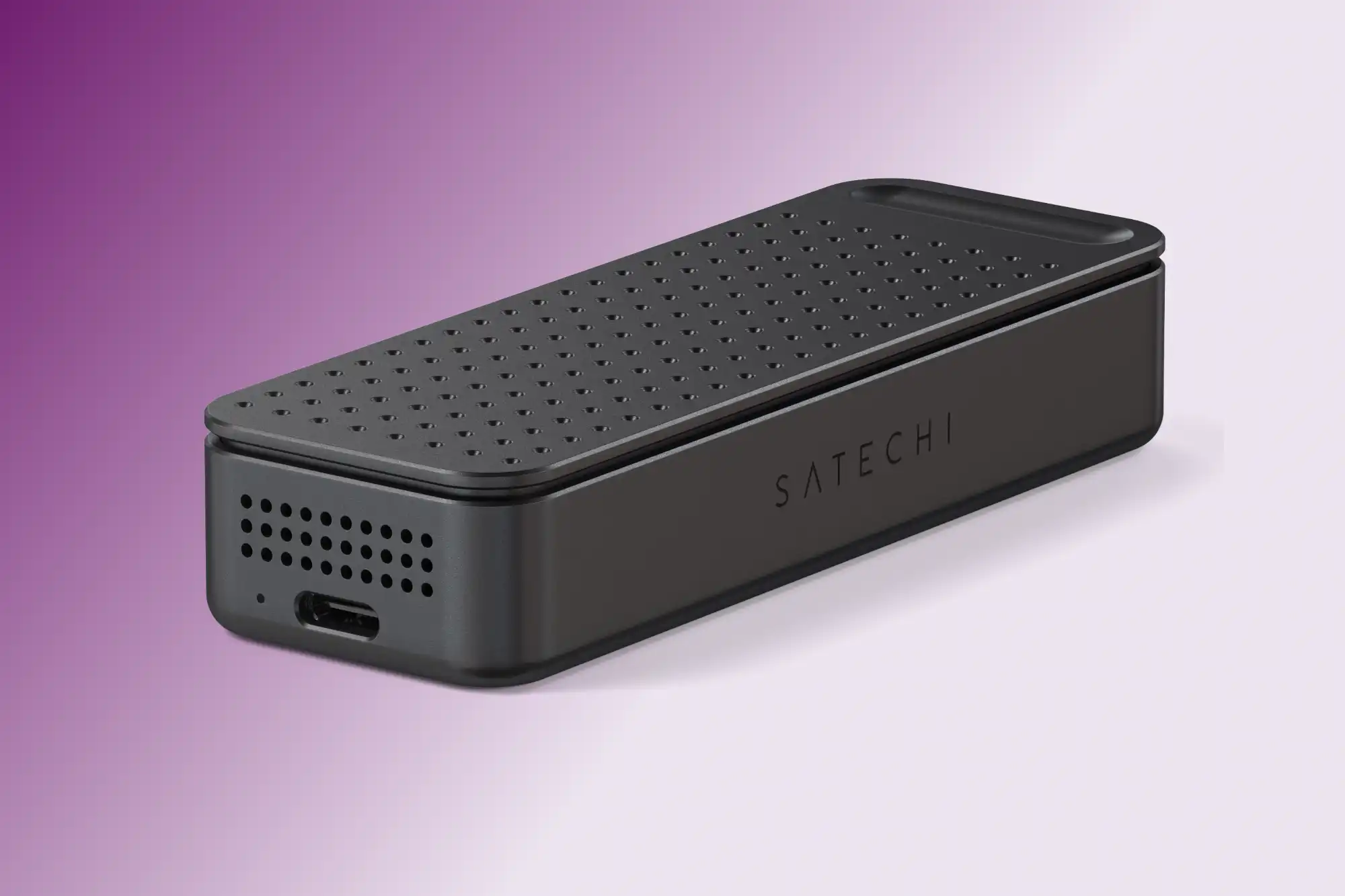
The URBAN TAPSAFE from ADATA is not just another portable SSD; it’s a deliberate rethinking of what mobile storage can be. Where previous generations focused on raw speed or capacity, this device balances those with security and usability in ways that force users to reconsider how they approach data on the move.
At its core, the URBAN TAPSAFE leverages DDR5 memory and a USB 3.2 Gen 2 x2 interface to deliver transfer speeds of up to 1,900 MB/s—a figure that positions it among the fastest portable SSDs available today. This isn’t just about moving files quickly; it’s about enabling workflows for creators who demand seamless transitions between devices. Whether editing 4K video or managing large datasets, the drive is designed to minimize bottlenecks without sacrificing portability.
But speed alone doesn’t define this device. The real innovation lies in its integration of NFC tap unlock technology, a feature that transforms a smartphone into a security key. Users can unlock the drive with a simple tap, eliminating the need for passwords while maintaining robust protection. Multi-user management adds another layer of functionality, allowing up to nine users with customizable permissions—read-only or read/write—tailored for both personal and collaborative use. The drive also auto-locks when disconnected from the smartphone, adding an extra barrier against unauthorized access.
Engineering Tradeoffs: Security vs. Convenience
The NFC tap unlock mechanism is where the engineering tradeoffs become apparent. While it streamlines access, it also introduces dependencies on the user’s smartphone and companion app. This means that if the phone is lost or the battery dies, the drive becomes inaccessible without a fallback method—a subtle but important limitation in a device marketed for mobility.
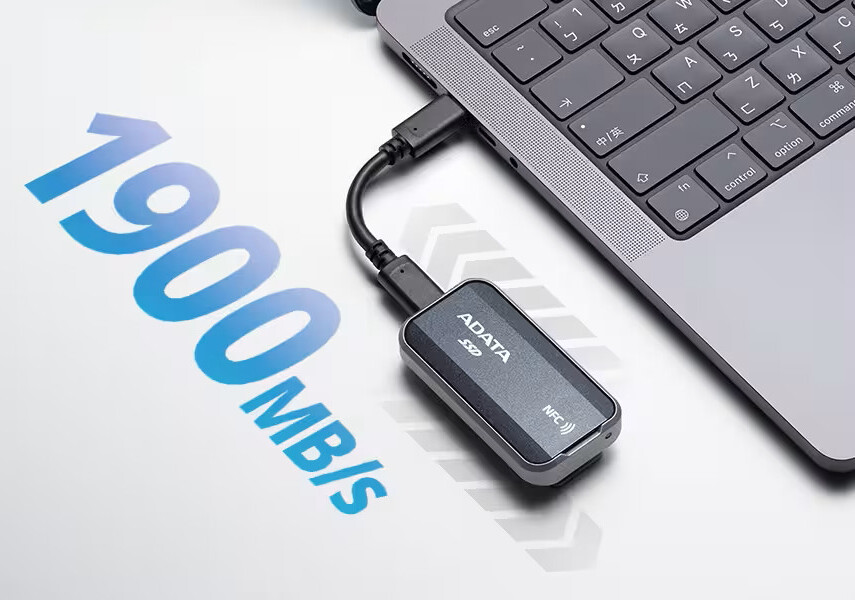
Design-wise, the URBAN TAPSAFE embraces sustainability with a chassis made from 50% post-consumer recycled plastic, aligning with ADATA’s broader commitments to environmental responsibility. It also includes a magnetic swappable decorative cover, a small but meaningful touch that allows users to personalize their drive while potentially using color-coding for organizational purposes.
Capacity options scale up to 2,000 GB, making it suitable for high-resolution media and large-scale projects. However, the lack of official confirmation on whether this capacity will be available at launch leaves some questions unanswered—particularly for users who prioritize maximum storage without sacrificing performance.
The clip-on design is another standout feature, allowing the drive to attach directly to smartphone cages or camera rigs. This reduces the need for additional mounting accessories, but it also raises practical concerns about durability in high-mobility scenarios, such as professional video shoots where equipment is frequently moved and adjusted.
Looking ahead, the URBAN TAPSAFE’s roadmap will likely focus on refining these tradeoffs—balancing security, convenience, and performance while addressing potential limitations. For developers and creators, its value lies in its ability to integrate seamlessly into existing workflows without imposing unnecessary constraints. Whether it succeeds in redefining mobile storage or settles for a strong contender remains to be seen, but its engineering choices hint at a device that prioritizes thoughtful design over gimmicks.