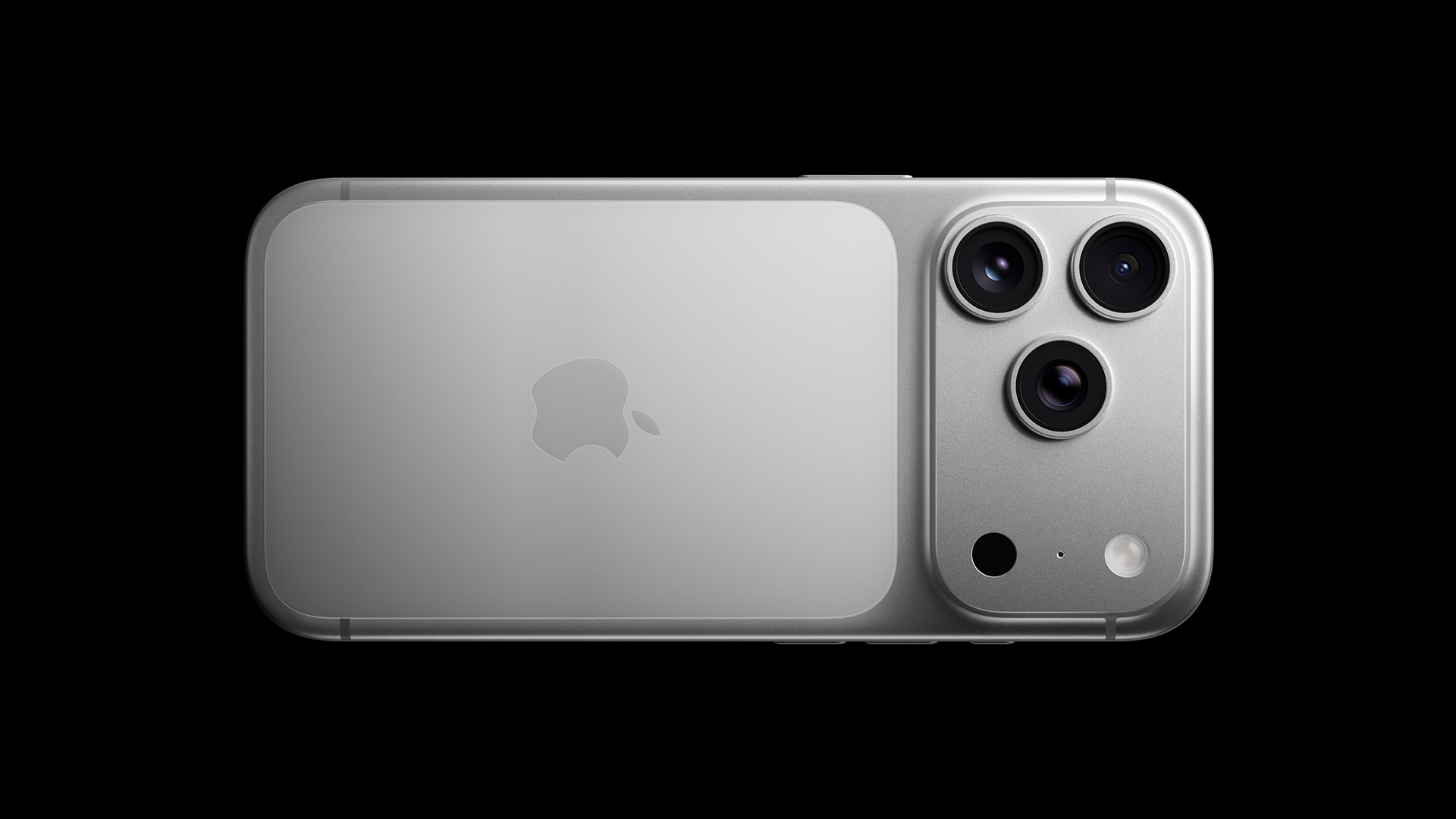
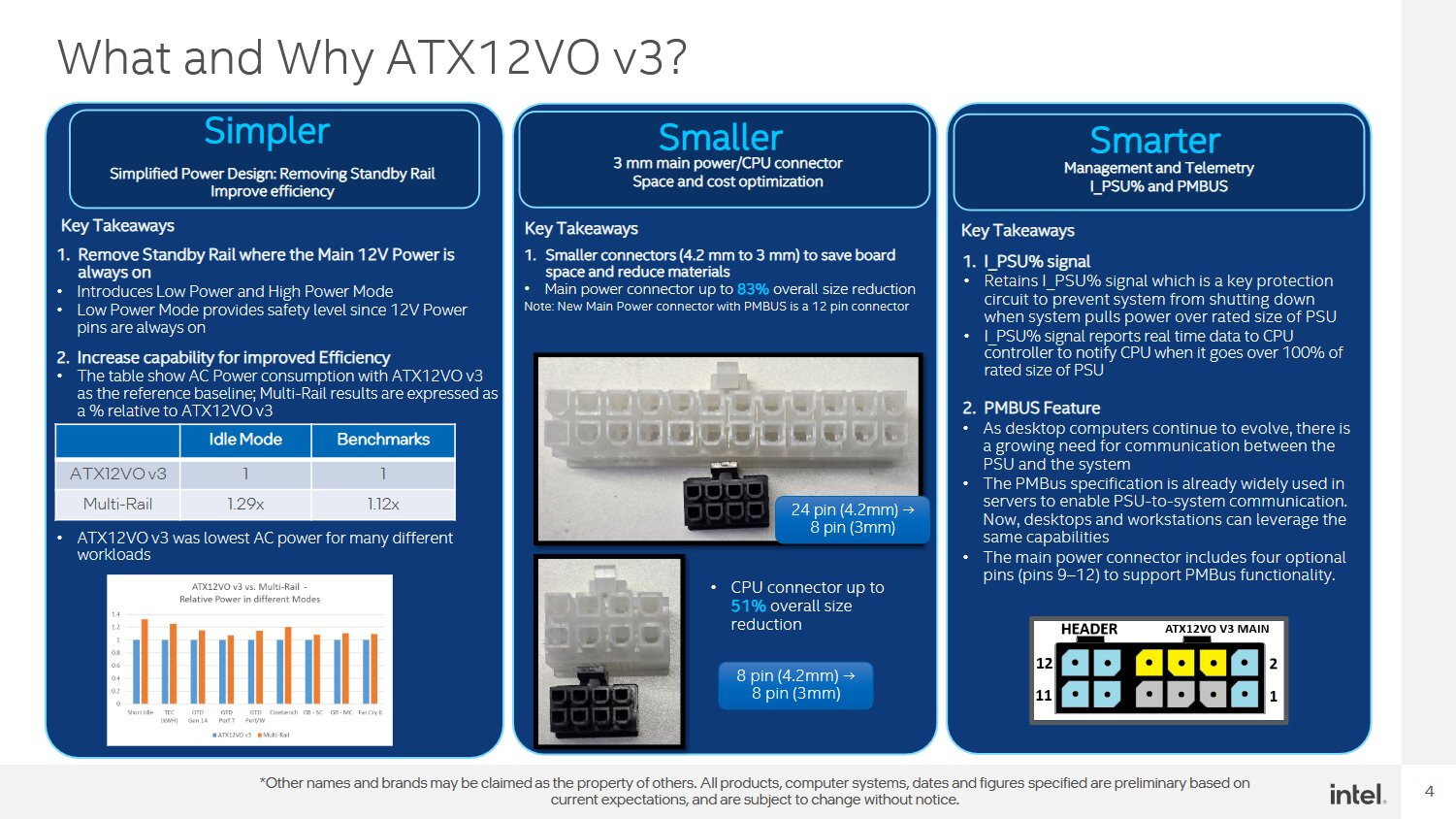
The N1X isn’t just a GPU—it’s a statement about where AI computing is headed. With 275 teraflops of compute power and 128GB GDDR6 memory featuring ECC support, it’s built for the most demanding AI inference and training tasks. But performance alone won’t determine its success; practicality will be just as crucial.
- 275 teraflops of AI-optimized compute power
- 128GB GDDR6 memory with ECC support
- Desktop and laptop variants, though thermal constraints may limit mobile use
- $3,999 pricing, targeting enterprise and high-end research budgets
- Late 2024 availability, with software ecosystem still developing
The N1X marks a clear shift from traditional GPU workloads like gaming or rendering to data-centric tasks. In fields like machine learning, inference speed and training efficiency can make or break projects. Yet, its real-world impact hinges on more than just raw numbers.
Power consumption is a major hurdle: the N1X draws 450 watts, pushing even high-end cooling systems to their limits. Laptop variants will face severe thermal throttling, potentially rendering them impractical for mobile AI workloads. Then there’s the cost—$3,999 isn’t just expensive; it’s prohibitive for smaller teams or individual developers who lack the budget for such specialized hardware. While Nvidia has outlined plans to improve software support, hardware limitations remain a pressing concern.
Who stands to benefit most? Enterprises and research institutions with deep pockets will likely find immediate value, particularly in training large models or running complex AI workloads. For the average user, however, the N1X may feel like overkill unless AI workflows become more accessible. The bigger question is whether this represents a new category of AI-ready hardware—or if it’s a high-performance experiment that outpaces real-world adoption.
For now, the N1X remains a high-stakes test case. Its long-term success will depend on how well it adapts to practical demands beyond benchmarks. Pricing adjustments and software maturity in 2025 could determine if this is the future of AI computing or just a fleeting detour with limited lasting impact.