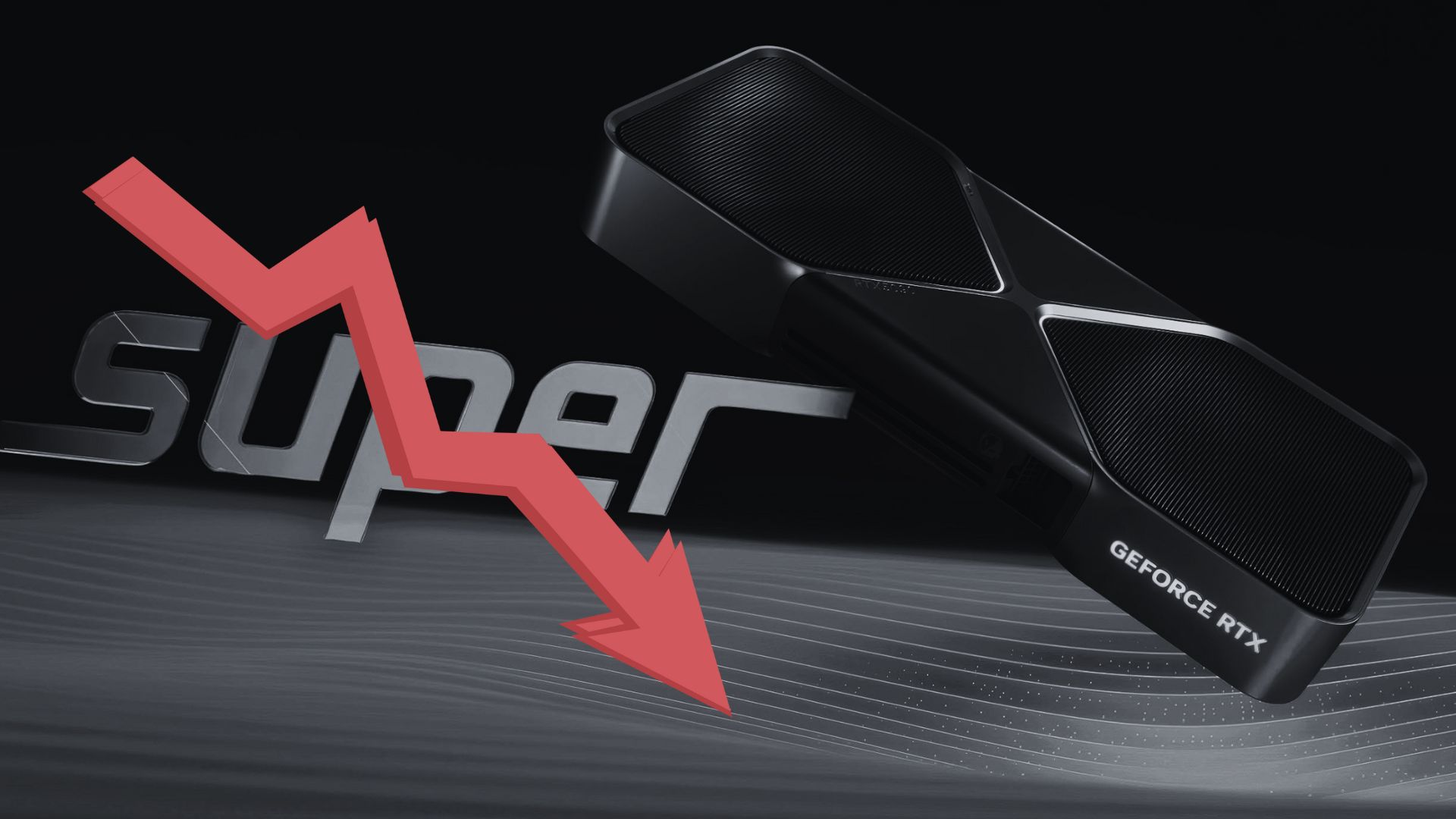
NVIDIA’s consumer GPU roadmap for 2026 is in flux, with the highly anticipated RTX 50 SUPER series now off the table entirely. The absence of a launch—once expected to debut at CES—signals a strategic retreat from the gaming market, where DRAM shortages have crippled production timelines. This marks a departure from NVIDIA’s long-standing annual cadence for consumer graphics cards, a shift that could reshape how PC enthusiasts and manufacturers plan for the year ahead.
The root of the problem lies in the global DRAM market, where demand from AI data centers has outpaced supply, leaving GPU makers scrambling for critical components. While NVIDIA has historically balanced consumer and enterprise needs, the current shortage has forced a recalibration: the company is prioritizing AI-focused products like the upcoming N1X ARM-based chips over traditional gaming GPUs.
Even current-gen RTX 50 series cards—including the RTX 5080 and RTX 5060 Ti—are seeing reduced production runs. The ripple effect is already visible in retail markets, where prices for models like the RTX 5060 Ti have surged past $700, reflecting both constrained supply and NVIDIA’s profit-driven allocation strategy. For gamers, this means higher costs and fewer options, at least in the near term.
Why the Delay?
NVIDIA’s decision isn’t just about logistics—it’s a calculated response to market forces. The AI boom has created a perfect storm: DRAM manufacturers are funneling resources toward data center chips, leaving little bandwidth for consumer GPUs. Without a stable supply chain, NVIDIA risks launching a product that’s either delayed repeatedly or priced prohibitively high.
For AIB partners (third-party manufacturers), the uncertainty is equally problematic. Without clear timelines or component guarantees, they’re left in a holding pattern, unable to stock inventory or commit to new designs. The domino effect could extend to motherboard makers, memory suppliers, and even retailers, all of whom rely on GPU availability to keep the PC ecosystem running.
What Comes Next?
The immediate outlook for gamers is grim. With no RTX 50 SUPER launch on the horizon, the focus shifts to existing models—the RTX 5080 and RTX 5090 remain the flagship options, though their high prices and limited supply make them inaccessible to many. Meanwhile, AMD’s Radeon RX 7000 series continues to hold steady, offering a more affordable alternative in a market where NVIDIA’s absence is keenly felt.
NVIDIA’s silence on a 2026 consumer GPU launch suggests a temporary pause rather than a permanent exit from the gaming segment. However, the company’s shift toward AI infrastructure—particularly with chips like the N1X—hints at a broader realignment. Whether that means a slower release cycle for future GPUs or a strategic pivot remains to be seen.
One thing is certain: the DRAM crunch isn’t going away anytime soon. Until supply stabilizes, NVIDIA’s consumer roadmap will remain in limbo, leaving PC builders and gamers to navigate a market defined by scarcity and uncertainty.