NVIDIA's dominance in the AI and data center markets has overshadowed its gaming GPU business, but a looming supply crunch threatens to reshape the landscape for high-end gamers. As demand for the RTX 50 series remains strong, the company is bracing for inventory challenges that could tighten availability just as new models like the RTX 5090 and RTX 5080 SUPER hit the market.
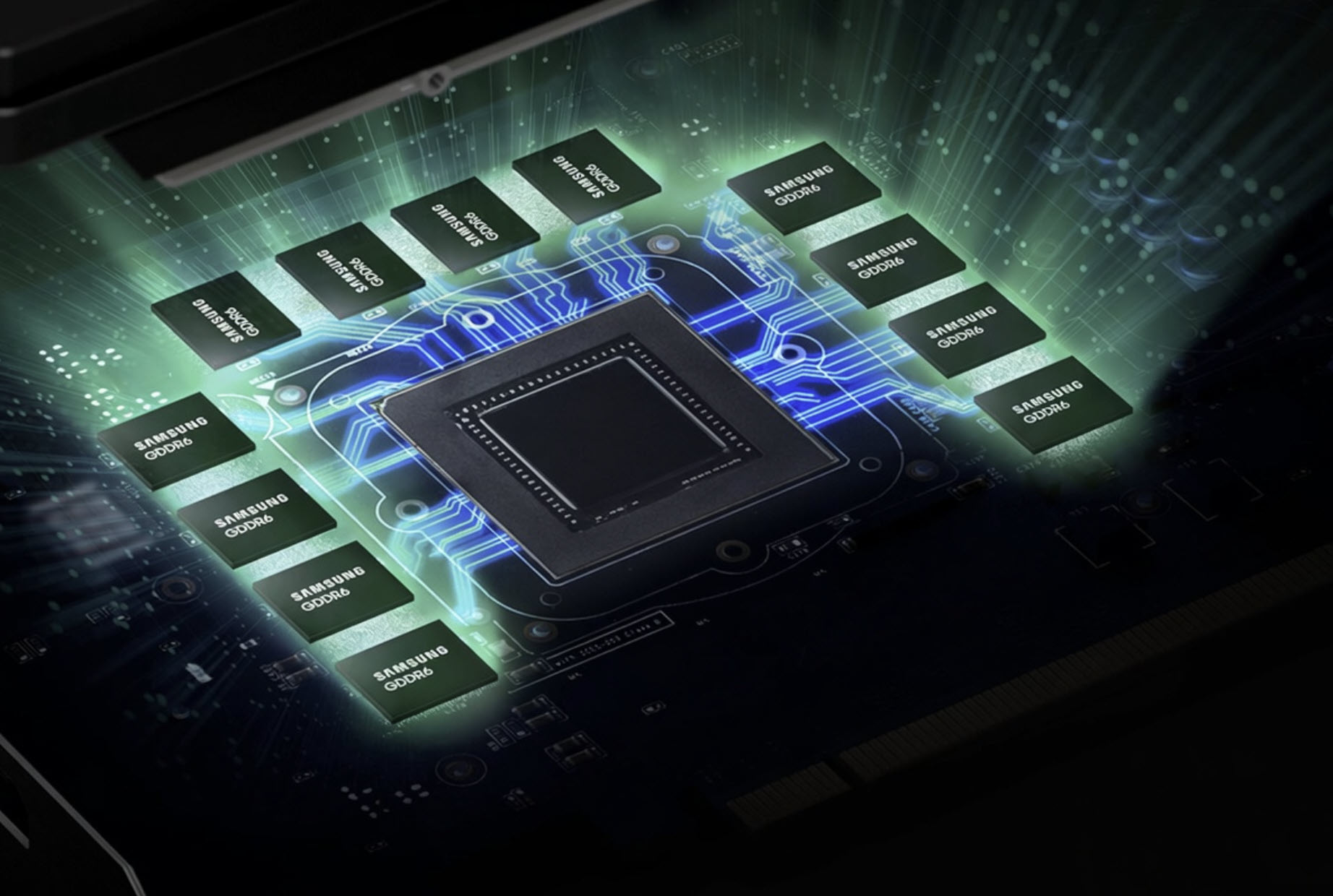
Unlike previous generations, where silicon production was the primary bottleneck, NVIDIA's current hurdle lies with GDDR7 memory supply. The company has secured ample capacity at TSMC for manufacturing its Blackwell-based GPUs, but securing enough memory to pair with these chips is proving difficult. This imbalance is particularly acute in the gaming sector, where GDDR7 is a critical component. While NVIDIA's server and AI divisions continue to benefit from strong supply chains, the gaming segment faces potential shortages that could limit product releases.
Key Specs and Models
- RTX 5090: Expected to price around $5,000, with a focus on high-end AI workloads alongside gaming performance.
- RTX 5080 SUPER: A refined version of the RTX 5080, likely featuring enhanced ray tracing capabilities and efficiency improvements.
- RTX 5070 Ti: Positioned as a mid-range option with GDDR7 memory, though production may be winding down in favor of newer models.
The RTX 50 series has already demonstrated NVIDIA's aggressive pricing strategy, with the RTX 5090 fetching upwards of $5,000 due to its AI-focused architecture. While this places it firmly in the high-end market, the potential supply constraints could further delay availability, leaving enthusiasts and professionals waiting longer for access.

Market Impact
NVIDIA's gaming revenue, though a small fraction of its total earnings, has shown significant growth—up 47% year-over-year in Q4 2025. However, the company's focus remains heavily on data center and AI sectors, which accounted for nearly 90% of its $215.9 billion revenue in 2025. The gaming segment, while growing, is still a minor compared to these high-margin areas.
Looking ahead, NVIDIA's supply constraints could test the patience of gamers and AI enthusiasts alike. While the company has hinted at potential releases for CES 2026, including SUPER variants like the RTX 5080 SUPER and RTX 5070 SUPER, the availability of these models remains uncertain. For now, consumers should brace for potential delays, especially if GDDR7 shortages persist. The challenge will be balancing demand with supply without further inflating prices, a tactic that has already drawn criticism in previous generations.