NVIDIA continues its strategic push to democratize access to premium gaming experiences with the unveiling of new GeForce NOW applications. Expanding beyond its established offerings on Windows and Chromebooks, the company is now providing dedicated client software for Linux PCs and Amazon Fire TV devices. This move signifies a deliberate effort to capture a broader audience and solidify GeForce NOW’s position as a leading cloud gaming service.
Expanding Platform Reach
The introduction of GeForce NOW apps for Linux PC represents a notable shift in NVIDIA's approach. Traditionally, the platform has primarily focused on Windows-based clients. Supporting Linux opens up access to a large segment of gamers who frequently utilize this operating system, particularly those with high-performance hardware and an interest in open-source software.
Furthermore, the availability of GeForce NOW on Amazon Fire TV directly addresses a significant gap in the service’s current ecosystem. The Fire TV platform boasts a substantial user base, many of whom enjoy gaming through streaming services. This integration allows users to leverage NVIDIA's cloud infrastructure to play graphically intensive titles without needing a dedicated console or high-end hardware.
GeForce NOW: A Cloud Gaming Overview
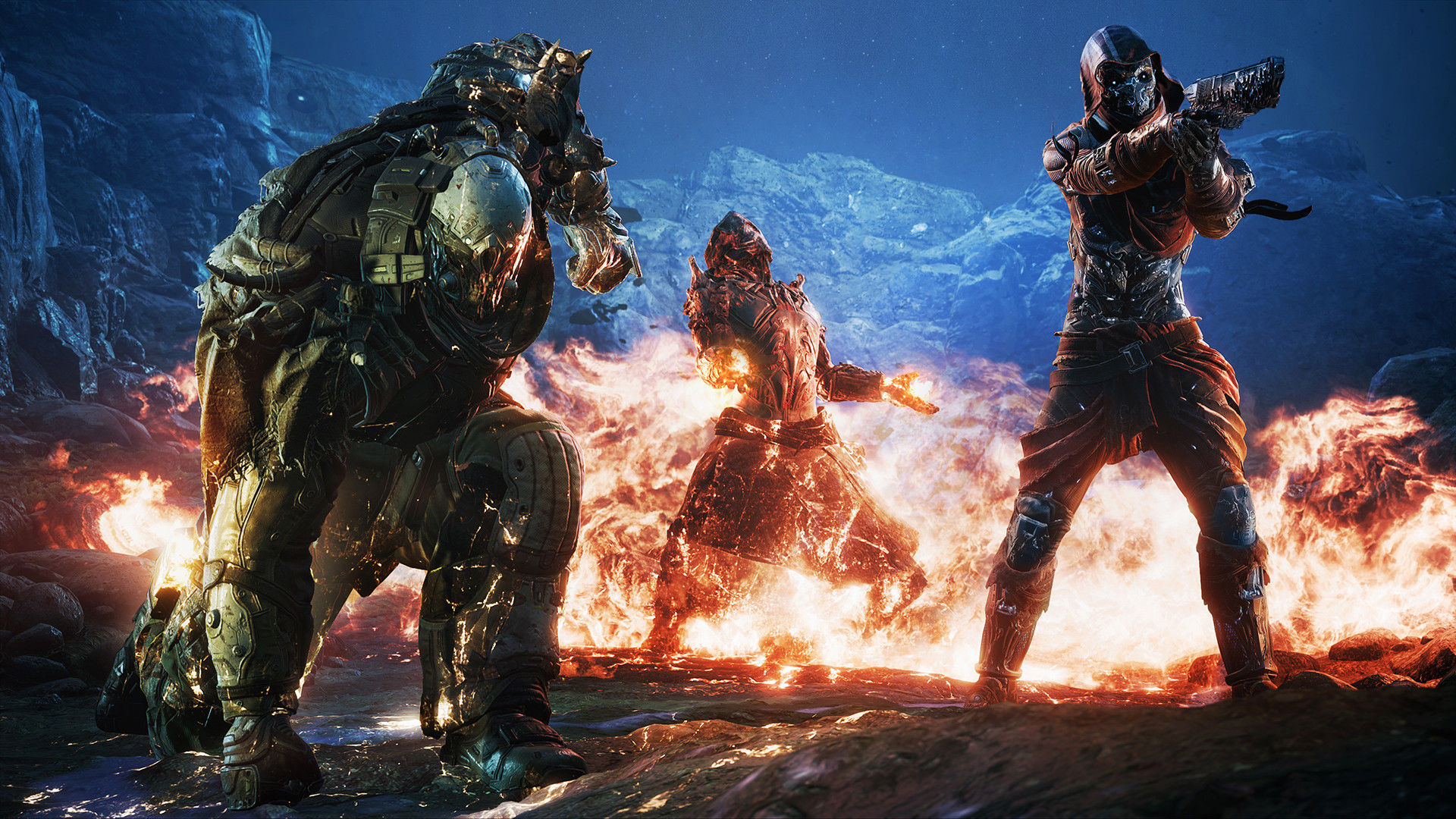
At its core, GeForce NOW operates as a cloud gaming service. It allows users to stream games they own from various digital storefronts – including Steam, Epic Games Store, Ubisoft Connect, and GOG – directly to their devices without the need for expensive hardware or lengthy downloads. The service utilizes NVIDIA’s data center infrastructure, equipped with powerful servers featuring advanced GPUs, to render and transmit gameplay in real-time.
Different subscription tiers offer varying levels of access and performance. The base tier, GeForce NOW One, provides access to a selection of games for free, while higher tiers – such as GeForce NOW Ultimate – unlock the full library and leverage the most powerful server configurations, often utilizing NVIDIA’s latest RTX-class GPUs (like the Blackwell RTX platform) for enhanced visual fidelity and responsiveness.

Linux PC Support: Key Considerations
The development of a GeForce NOW client for Linux necessitates careful optimization. NVIDIA must ensure compatibility across diverse Linux distributions, handle driver integration seamlessly, and optimize the application to leverage the unique capabilities of these systems. The success of this offering will depend heavily on addressing potential performance bottlenecks and providing a smooth, reliable streaming experience.
Specifically, developers need to consider aspects like
- Driver Compatibility: Ensuring optimal driver support across various Linux distributions is crucial.
- Performance Tuning: Maximizing performance on systems with varying hardware configurations requires sophisticated optimization techniques.
- User Interface (UI) Design: A user-friendly UI tailored for the Linux environment will contribute to a positive user experience.
Amazon Fire TV Integration: Expanding the Audience
The inclusion of GeForce NOW on Amazon Fire TV represents a strategic move to capture a significant portion of the streaming gaming market. The Fire TV platform’s widespread adoption provides NVIDIA with an immediate audience, particularly among users who may not own or prefer dedicated gaming consoles.
Key advantages for users include
- Accessibility: Gaming on a familiar device – the Amazon Fire TV – eliminates the need to purchase and set up additional hardware.
- Cost-Effectiveness: Users can access high-end gaming experiences without investing in expensive PC or console components.
- Cross-Device Play: Seamlessly switch between playing on a PC, Fire TV, or mobile device with synchronized game progress (dependent on subscription tier).
NVIDIA’s expansion of GeForce NOW to Linux PCs and Amazon Fire TV underscores the company's commitment to providing accessible gaming solutions. By broadening its platform support, NVIDIA aims to attract a wider range of users and solidify GeForce NOW as a dominant force in the rapidly evolving cloud gaming landscape.