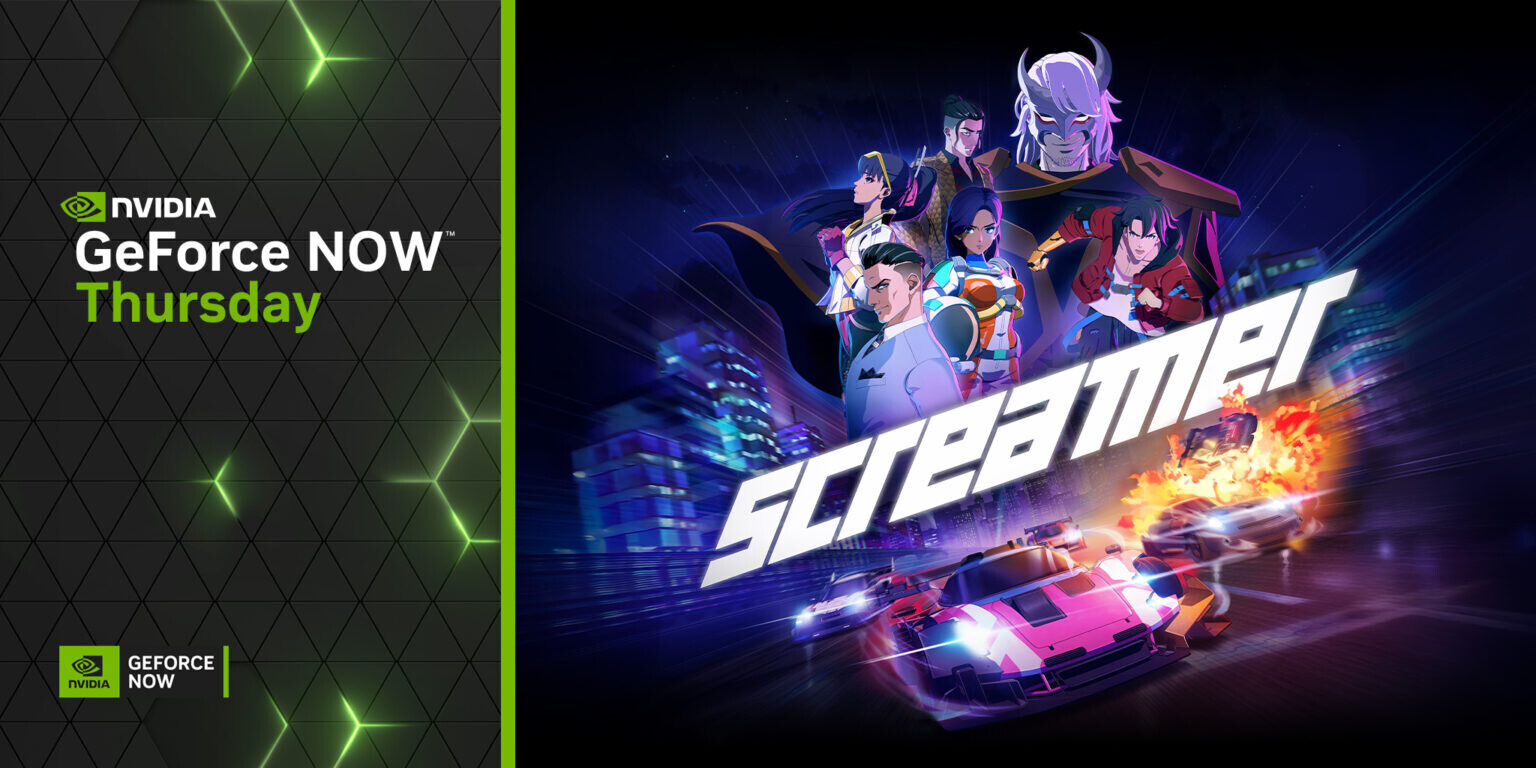
NVIDIA’s GeForce NOW platform has gained five new titles, each optimized for the latest RTX 50-series GPUs. Among them is Screamer, a high-speed arcade racer designed to take full advantage of the RTX 5080’s capabilities. The game delivers pixel-perfect visuals and low-latency streaming, making it a standout for cloud gaming performance.
The update also introduces version 4.1 of Honkai: Star Rail, titled Unraveled for Daybreak. This expansion brings new story content, characters, and events to the gacha RPG, expanding its universe with fresh challenges and rewards. Both titles are now available instantly on GeForce NOW without requiring local installation.
The RTX 50-series GPUs, including the RTX 5080, have been a focal point for NVIDIA in 2026, with reports suggesting production adjustments due to AI industry demand. The addition of these games underscores the platform’s ability to handle demanding workloads while maintaining smooth streaming performance.
Key Specs and Performance
- Screamer: New release on Steam, optimized for RTX 5080 with low-latency streaming.
- Honkai: Star Rail v4.1: Major update featuring new zones, characters, and events.
- Other Titles: King’s Quest (Ubisoft), BATTLETECH (Xbox Game Pass), Despot’s Game (Xbox), Diablo II: Resurrected (Steam).
The games are designed to run with minimal input lag, leveraging NVIDIA’s cloud infrastructure. For PC builders, this expansion signals a shift toward more efficient workload distribution, reducing the need for high-end local hardware while maintaining premium gaming experiences.
Market Impact: A Step Toward Cloud-First Workloads
The inclusion of RTX 50-series optimized titles suggests NVIDIA is doubling down on cloud gaming as a viable alternative to traditional PC builds. The RTX 5080, in particular, has been positioned as a high-performance option for AI and graphics workloads, but its capabilities are now being extended to cloud streaming.
For enterprise users and content creators, this means more flexibility in managing hardware costs while accessing cutting-edge rendering power. The long-term trend points toward a future where cloud-based solutions become the default for demanding applications, rather than just gaming.