Enterprises seeking to deploy AI at scale now have a clearer path forward thanks to NVIDIA's latest infrastructure platform. DSX is designed to bridge the gap between hardware deployment and software optimization, offering a standardized framework that simplifies complex workflows while maintaining flexibility.
The platform centers on a modular architecture that supports a range of AI workloads, from training to inference. It integrates tightly with NVIDIA's existing GPU ecosystem but adds layers for easier integration into third-party environments. This is particularly relevant for IT teams managing hybrid cloud and on-premises setups, where compatibility has long been a hurdle.
Unified Management and Performance Focus
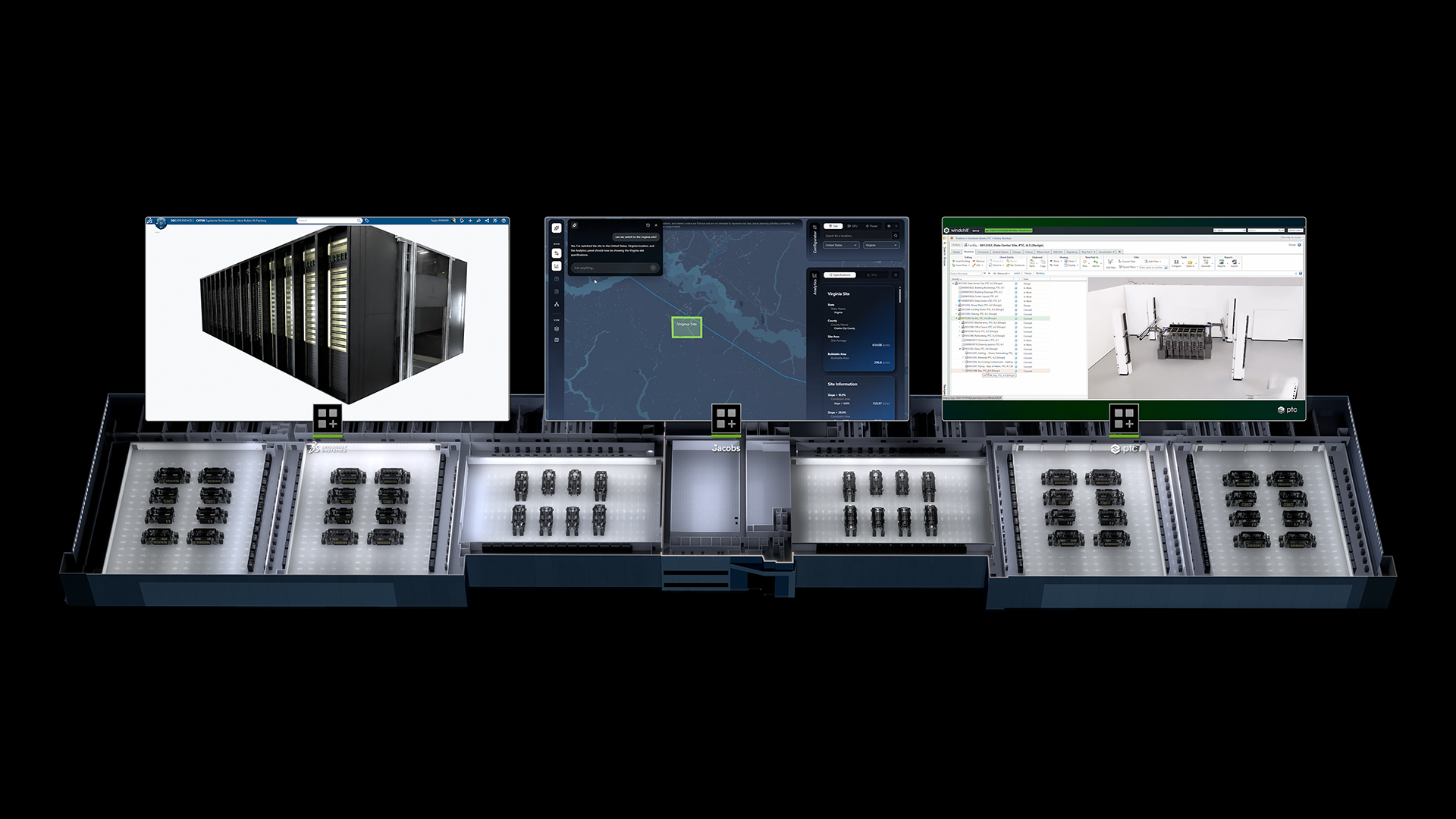
DSX introduces a single interface for monitoring and managing AI clusters, which can scale from small-scale deployments to large data center configurations. The platform is built around NVIDIA's A100 GPUs, which remain the backbone for high-performance computing tasks. However, DSX extends this foundation with software tools that abstract some of the complexity traditionally associated with GPU-accelerated workloads.
- Support for multi-GPU configurations up to 256 GPUs per node
- Integrated data pipeline optimization for faster training cycles
- Compatibility with existing NVIDIA software stacks, including CUDA and NVIDIA AI Enterprise
One of the standout features is the ability to dynamically adjust resources based on workload demands. This addresses a common pain point in enterprise AI deployments, where over-provisioning or underutilization can lead to inefficiencies.
Addressing Compatibility Challenges
The shift toward AI infrastructure has brought with it a wave of hardware and software fragmentation. DSX aims to mitigate this by providing a reference architecture that IT teams can adapt to their specific needs. This includes pre-validated configurations for popular AI frameworks like TensorFlow and PyTorch, reducing the time required for deployment and validation.
For organizations already invested in NVIDIA's ecosystem, DSX offers a path to consolidate their infrastructure under a unified management layer. The platform also includes security features tailored for enterprise environments, such as role-based access control and encrypted data pipelines.
Market Implications
The introduction of DSX signals a broader trend in the AI infrastructure space, where vendors are moving beyond raw hardware sales to provide end-to-end solutions. This shift is particularly relevant for enterprises looking to avoid vendor lock-in while still leveraging high-performance components.
IT teams will need to assess whether DSX's modular approach aligns with their existing workflows. While the platform offers significant flexibility, integration with legacy systems may require additional effort. Pricing details have not been disclosed, but the focus on scalability suggests it is positioned as a premium offering for organizations with substantial AI workloads.
What to Watch
DSX is expected to be available in select regions by mid-year, with full commercial rollout planned for late 2024. Enterprises should monitor updates on supported hardware configurations and software compatibility as the platform evolves. The long-term success of DSX will depend on its ability to balance innovation with practicality, ensuring it remains a viable option for both startups and large-scale deployments.