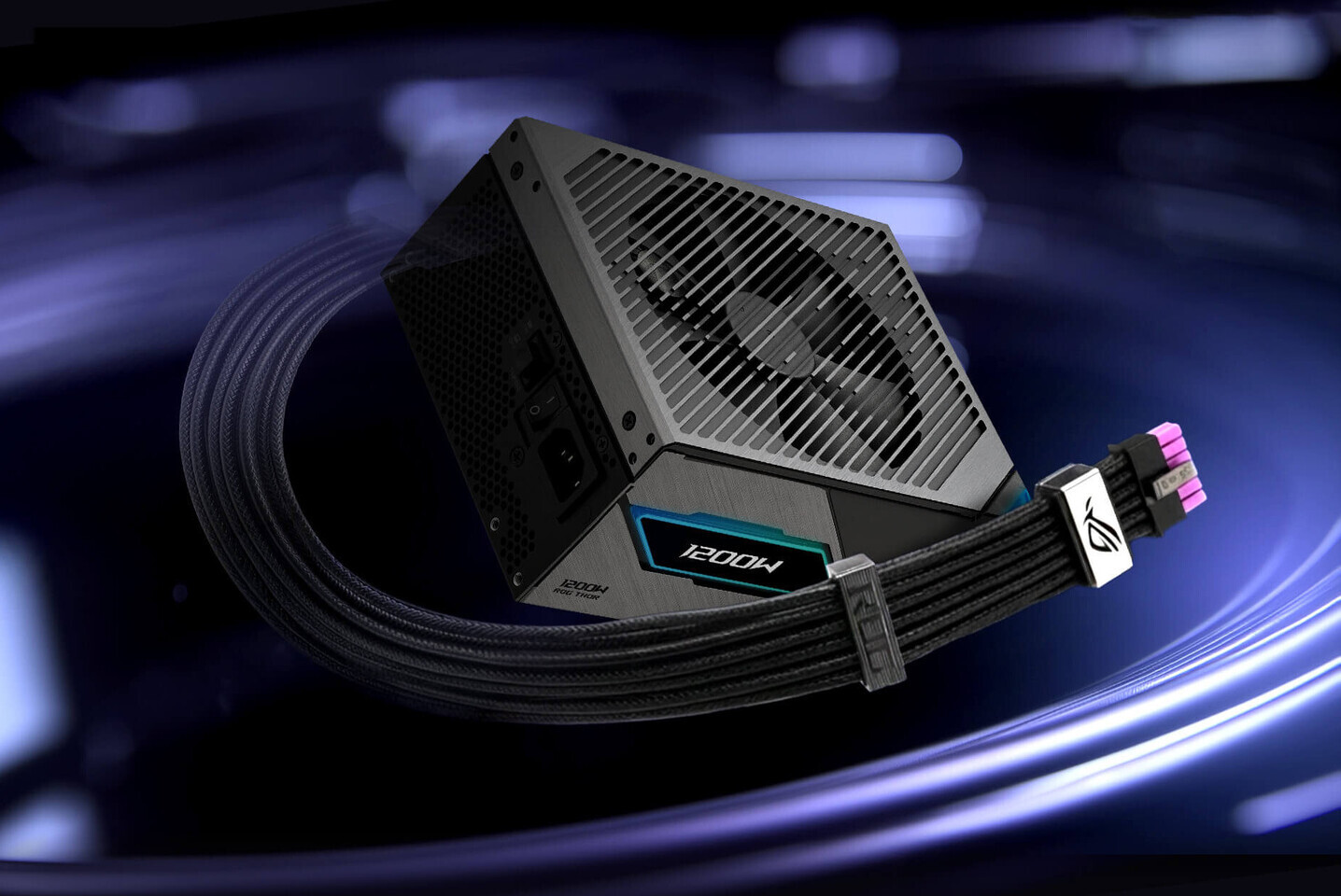
ASUS is elevating the standard for power delivery in premium PC builds by bundling its ROG Equalizer cable with two of its flagship power supply units. The ROG Thor III and Strix Platinum series now come equipped with this accessory, which is designed to reduce signal noise and improve voltage stability—a critical factor for overclocked setups where clean power is non-negotiable.
The equalizer cable works by synchronizing the timing of power signals across multiple cables, preventing phase shifts that can lead to instability. This is particularly important in high-wattage systems, where even minor signal degradation can cause voltage fluctuations, resulting in system crashes or performance drops during intensive workloads. By including this technology out of the box, ASUS eliminates a common pain point for overclockers and system builders who previously had to source equalizer cables separately.
What makes this move significant is its focus on practicality rather than mere feature addition. The ROG Equalizer cable isn’t just another accessory; it’s a tool that directly impacts the reliability of high-performance systems. For users pushing components beyond stock limits, cleaner power transmission translates to more consistent performance in gaming, rendering, or benchmarking scenarios. Additionally, the bundling simplifies the build process, as enthusiasts no longer need to hunt for compatible cables when assembling a new rig.
However, the benefits aren’t universal. The equalizer cable’s effectiveness depends on compatibility with motherboards and GPUs that support its technology, which is primarily limited to high-end models. This means users of mid-range systems or those without equalizer-ready hardware won’t see any immediate advantage from this bundle. That said, ASUS’s decision to include the cable in its top-tier PSUs signals a strategic focus on premium segments where signal integrity is a key differentiator.
This isn’t an isolated move; it reflects a broader industry trend toward integrating performance-enhancing components directly into hardware rather than leaving them as aftermarket add-ons. By doing so, ASUS positions itself at the forefront of addressing real-world performance bottlenecks, setting a potential benchmark for other manufacturers to follow. For now, users of the ROG Thor III and Strix Platinum PSUs will experience immediate stability improvements without additional cost, while others may still need to consider equalizer cables as an optional upgrade.
The shift also highlights ASUS’s commitment to refining the user experience in high-performance computing. While the changes are subtle, their impact on system stability and overclocking potential is undeniable. As more manufacturers adopt similar strategies, we can expect to see a greater emphasis on integrated performance tools that simplify setup while enhancing reliability—a win for both enthusiasts and system builders alike.