NVIDIA’s push for higher memory bandwidth in its next-generation GPUs is encountering practical limits, forcing a compromise that will shape the performance of the Vera Rubin lineup.
The original goal was to achieve 22 TB/s of total bandwidth for the Rubin chip, but reports indicate that memory suppliers—primarily SK hynix and Samsung—are falling short. As a result, early production models are expected to deliver closer to 20 TB/s, which still represents a significant leap from previous generations.
This isn’t the first time NVIDIA’s ambitions have been tempered by supply chain realities. The target for the Vera Rubin VR200 NVL72 system was initially set at 13 TB/s in March 2025, then raised to 20.5 TB/s by September of that year. 2026, NVIDIA had confirmed a 22 TB/s figure, but the current adjustment suggests that even this milestone may not be fully realized.
Why This Matters for Enterprise Workloads
The shift to 20 TB/s doesn’t negate the benefits of HBM4 memory, but it does introduce a tradeoff. For enterprise buyers relying on high-bandwidth acceleration—such as AI training or large-scale data processing—the reduced bandwidth may require optimizations in software pipelines or workload distribution. However, 20 TB/s still outpaces many existing systems, including AMD’s Instinct MI455X accelerator, which sits at 19.6 TB/s.
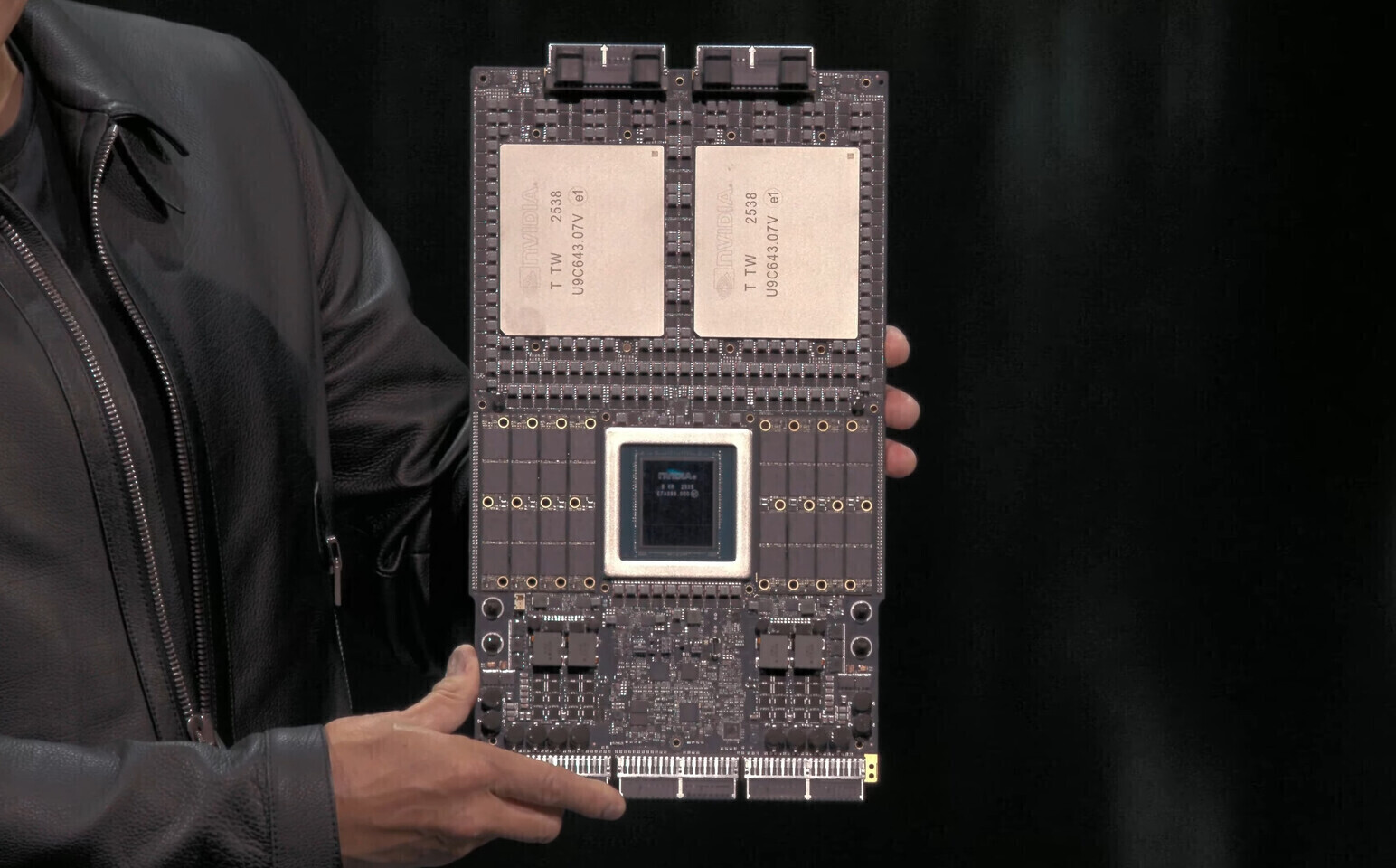
Micron, a key player in the memory market, has reportedly withdrawn from supplying HBM4 for Vera Rubin GPUs. Instead, it will focus on providing LPDDR5X memory for the Vera CPUs, with capacities reaching up to 1.5 TB. This shift could influence how NVIDIA allocates resources across its product lines, though details on how this will impact performance or pricing remain unclear.
What’s Next for Vera Rubin?
The adjustment in memory specs doesn’t signal a failure but rather a recalibration of expectations. While the original 22 TB/s target was aggressive, the move to 20 TB/s maintains a strong position in the market. For enterprises evaluating next-generation GPUs, this means balancing immediate performance needs with long-term roadmap considerations.
One unconfirmed detail is whether NVIDIA will introduce multiple variants of the Vera Rubin lineup—some with higher bandwidth if supply improves later, others with the current 20 TB/s spec. If that happens, buyers may need to decide between upfront performance and future-proofing. For now, the focus remains on delivering a product that meets the demands of today’s workloads while leaving room for refinement.