Imagine working on a document packed with sensitive data—personal details, proprietary information, or classified material—and needing to strip it clean before sharing. The process is tedious, time-consuming, and prone to human error. Nitro Smart Redact promises to change that by automating the redaction of text, images, and other content using AI, but how well does it perform in real-world scenarios?
At its core, Nitro Smart Redact is designed to handle large volumes of data with precision, reducing the need for manual intervention. It leverages advanced machine learning models to identify and redact sensitive information across multiple formats—text, images, PDFs, and even scanned documents. The tool claims to support batch processing, meaning users can feed in hundreds or thousands of files and let it work overnight, returning a clean dataset ready for distribution.
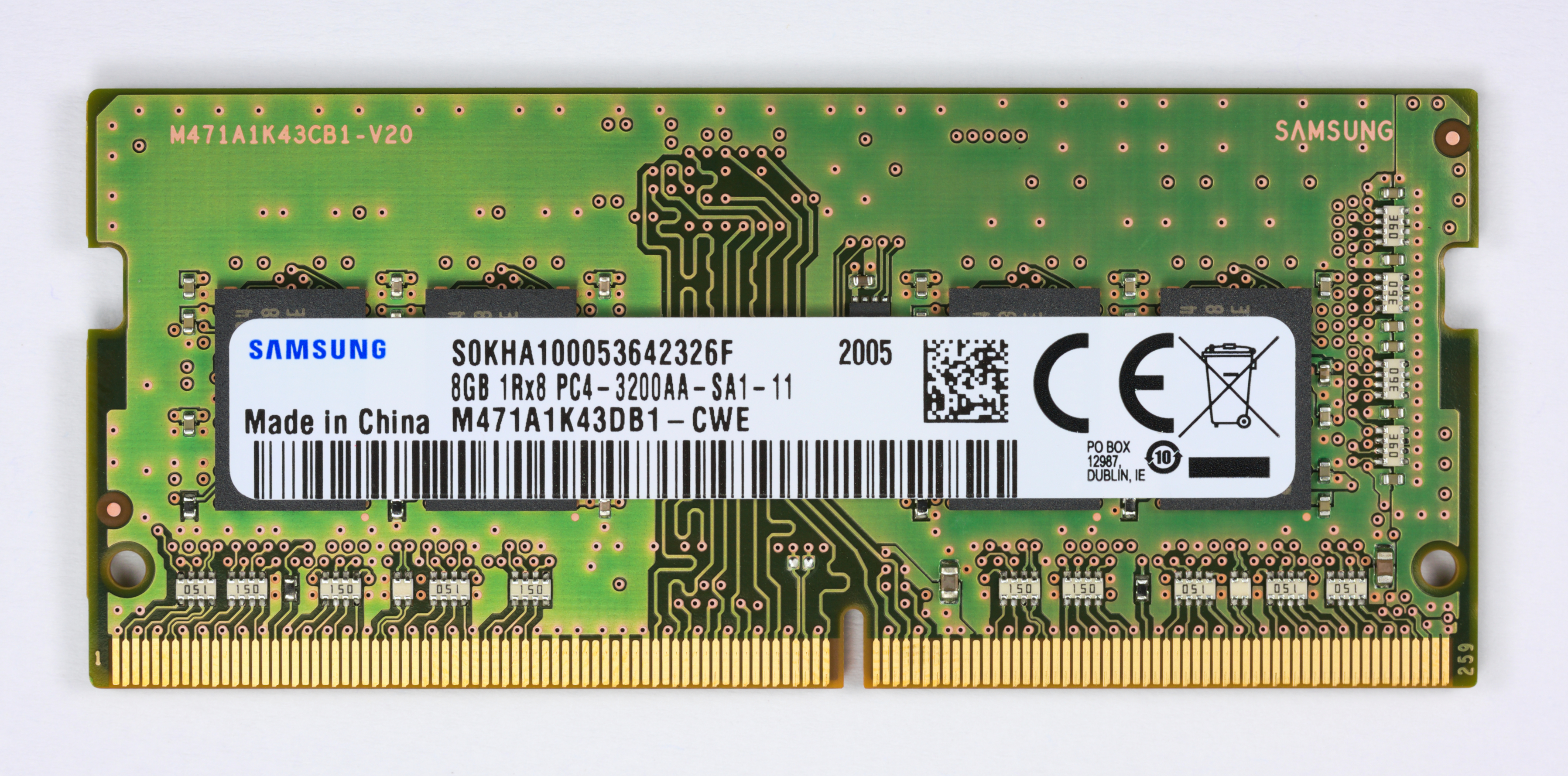
The performance specs are impressive on paper. It supports up to 128 GB of RAM, which is crucial for handling complex datasets without slowing down. Storage options include both NVMe SSDs and HDDs, with capacities ranging from 500 GB to 4 TB, depending on the configuration. The system runs on a combination of AMD Ryzen processors and NVIDIA GPUs, with clock speeds that can reach up to 3.7 GHz for single-core performance. These components are typically found in high-end workstations, suggesting that Smart Redact is built for users who demand both speed and reliability.
But how does this translate into real-world usability? The tool’s AI engine is trained to recognize a wide range of sensitive data patterns, including names, addresses, phone numbers, and custom placeholders. It can also detect and redact text within images or scanned documents using optical character recognition (OCR). This is particularly useful for legal or compliance-heavy industries where precision is non-negotiable.

One of the standout features is its ability to handle multiple languages simultaneously. Users can define redaction rules in one language while processing content in another, which is a significant advantage for global teams or organizations dealing with multilingual documents. However, there are trade-offs. The tool requires a high-performance setup, meaning it’s not a plug-and-play solution for users with mid-range hardware. Additionally, the AI’s accuracy can vary depending on the complexity of the data, and in some cases, manual review may still be necessary to ensure no sensitive information slips through.
For power users, the question isn’t just about whether Smart Redact works—it’s about how it fits into existing workflows. The tool integrates with popular document management systems, but its effectiveness depends on the user’s ability to fine-tune redaction rules and manage large datasets efficiently. While it excels in automating repetitive tasks, the learning curve for setting up custom rules could be a hurdle for some.
Where things stand now: Nitro Smart Redact is positioning itself as a game-changer for automated content filtering, but its success hinges on balancing AI accuracy with user control. For organizations willing to invest in high-end hardware and dedicate time to refining its settings, it could significantly reduce the manual effort involved in data redaction. However, users should approach this tool with a degree of skepticism, especially if their datasets are highly variable or contain nuanced sensitive information.