Intel’s new 18A-P process isn’t just about pushing clock speeds higher—it’s about making those speeds matter more efficiently. The company has achieved a nearly 9% increase in performance while delivering a 50% improvement in thermal conductivity, a critical factor for both power consumption and reliability in high-performance chips.
This isn’t just an incremental upgrade; it’s a deliberate step toward positioning Intel as a serious contender in the foundry space. The process now features tighter skew corners, which could be particularly appealing to customers looking to optimize silicon area without sacrificing performance. That said, the real question for developers and chip designers is whether this balance of speed, efficiency, and cost will translate into tangible advantages over competitors like TSMC or Samsung.
Performance gains are always a double-edged sword—higher clocks mean more heat, which traditionally leads to larger cooling systems or thermal throttling. Intel’s 50% bump in thermal conductivity addresses this head-on, potentially reducing the need for bulky cooling solutions while maintaining stability under load. This could be especially valuable for workloads like AI inference, high-performance computing, or even next-gen gaming chips where thermal management is non-negotiable.
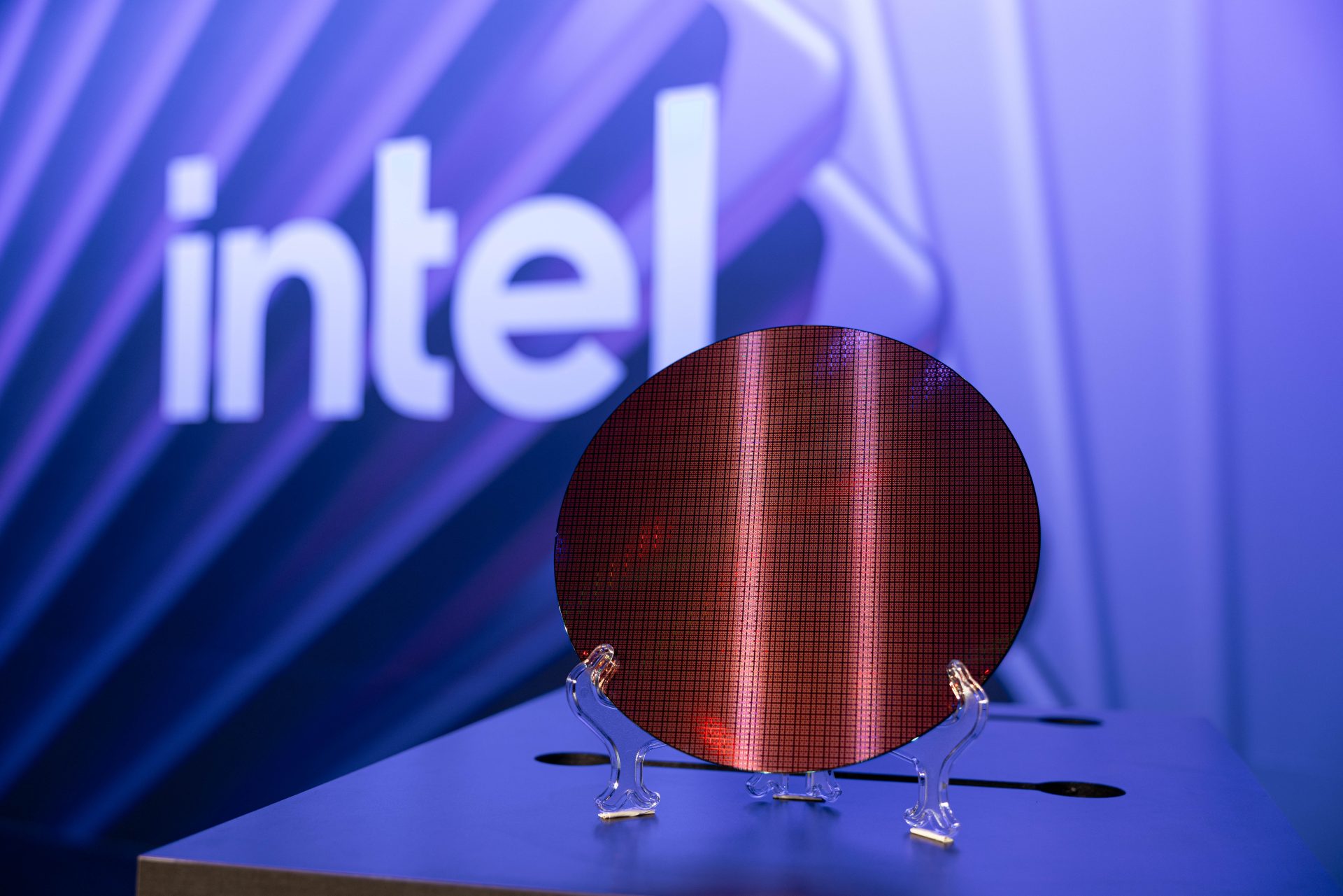
But what does this mean for developers? For one, it opens the door to more power-efficient designs without sacrificing raw performance. The tighter skew corners suggest a focus on silicon efficiency, which could lower costs for volume production while keeping performance per watt in check. That’s a compelling proposition for foundry customers who are increasingly prioritizing both speed and thermal behavior.
The 18A-P process also hints at Intel’s long-term strategy to compete more aggressively in the foundry market. While TSMC continues to dominate with its advanced nodes, Intel is betting that a combination of performance gains, better thermal management, and cost-effective scaling will make it a viable alternative for customers who don’t need the absolute bleeding edge but still demand high performance.
For developers, this could mean more options when selecting fabrication partners—especially if Intel can maintain its momentum in both speed and efficiency. The 9% performance boost isn’t revolutionary by today’s standards, but paired with the thermal improvements, it could tip the scales for projects where power consumption and cooling complexity are major constraints.
Ultimately, the 18A-P process is a reminder that raw speed isn’t everything in semiconductor design. Thermal efficiency, cost, and silicon area all play critical roles in determining whether a new node will gain traction. Intel’s move here suggests it’s doubling down on those factors, which could make this a more attractive choice for foundry customers looking to balance performance with practicality.