Open worlds in action-RPGs have become a crowded space, each vying for attention with larger maps, more side quests, and deeper lore. Yet Nioh 3 stands out—not by reinventing the wheel, but by executing a familiar formula with surprising confidence. While games like Elden Ring thrive on deliberate obscurity, forcing players to uncover secrets through trial and error, Nioh 3 leans into accessibility, rewarding exploration with clear progression and tangible power gains.
The result is an open world that feels functional rather than cryptic. Every region is designed to be tackled methodically, with suggested difficulty levels and a map that reveals hidden collectibles and challenges as you explore. It’s a departure from the Elden Ring model, where discovery is half the thrill—but it’s also a deliberate choice that aligns with Nioh 3’s core identity as a soulslike first, an open-world game second.
Where Elden Ring demands patience and persistence, Nioh 3 delivers immediate gratification. Defeat a boss, and you’re not just unlocking lore—you’re often handed new gear, abilities, or shortcuts that make the next fight easier. The game’s respec system further encourages experimentation, letting players quickly adapt builds without fear of wasted progress.
Combat That Keeps You Hooked
The real strength of Nioh 3 lies in its combat. Unlike Rise of the Ronin, where enemies often felt like generic fodder, Nioh 3’s yokai and demons demand respect. Each encounter teaches new patterns, rewards adaptability, and punishes recklessness—not with unfair difficulty, but with clever mechanics. A boss might start by overwhelming you with brute force, only to shift into a phase where precision is key. Or it could exploit your weaknesses, forcing you to adjust mid-fight.
This isn’t just busywork. The game’s density of systems—parrying, arrow tricks, magic counters—keeps fights dynamic. You’re never just grinding; you’re constantly learning. And unlike in Elden Ring, where death can feel like a setback, Nioh 3’s open-world structure lets you walk away, regroup, and return stronger.
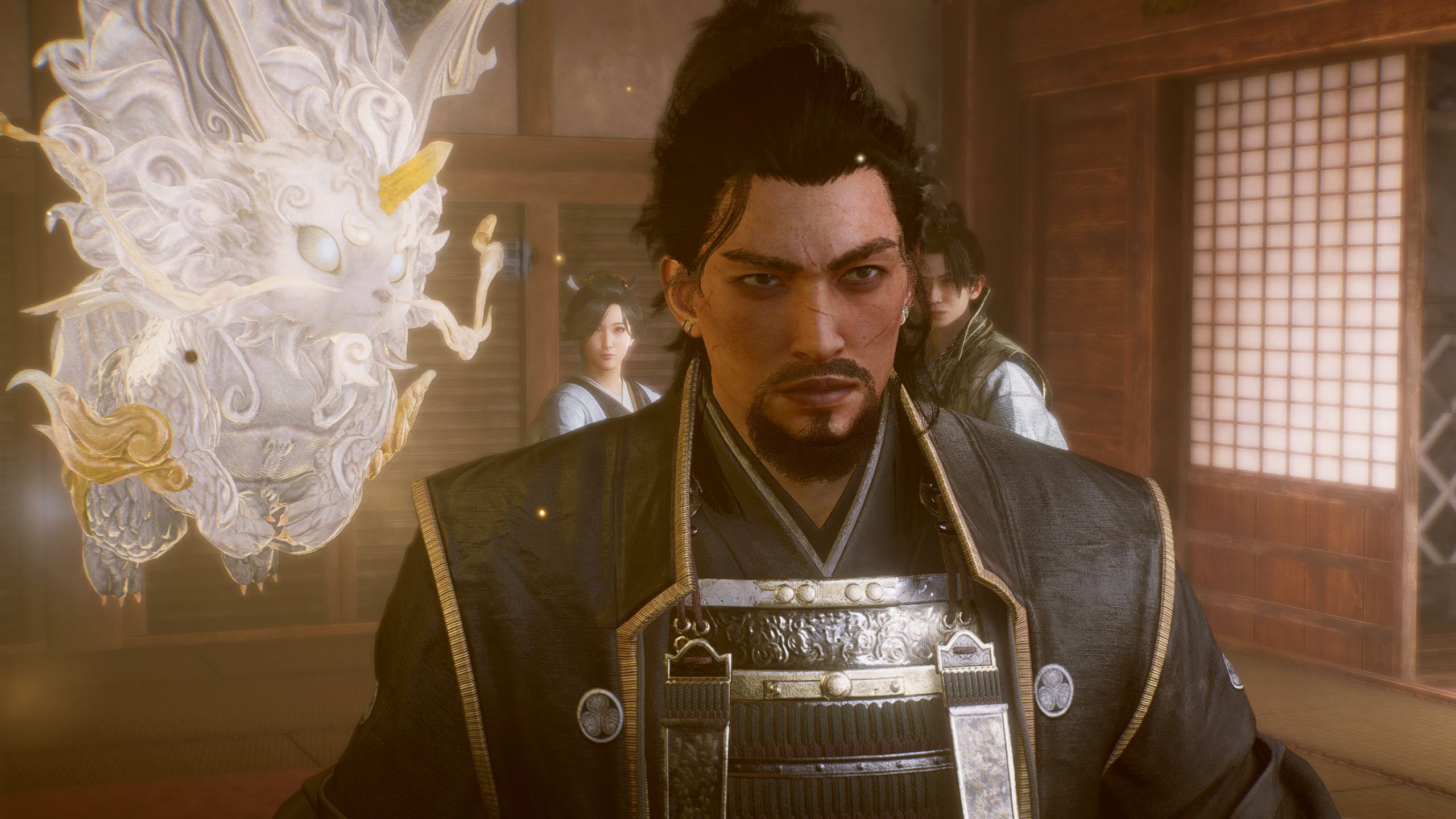
A Power Fantasy Without the Guilt
Elden Ring is a masterclass in tension. Its open world is vast but deliberately sparse, rewarding exploration with cryptic clues rather than hand-held guidance. Nioh 3, by contrast, is a power fantasy disguised as a soulslike. You’re not just surviving—you’re dominating. The game’s design encourages aggression, whether through loot-driven progression or the sheer satisfaction of overmatching foes.
This isn’t to say Nioh 3 lacks challenge. Bosses still hit hard, and some encounters require memorization. But the open world removes the frustration of being stuck in a loop. Need more health? Loot a fallen enemy. Stuck on a fight? Check the map for a shortcut or upgrade. The game’s structure doesn’t just accommodate power fantasy—it celebrates it.
Where It Fits—and Where It Doesn’t
Nioh 3 isn’t trying to be Elden Ring. It’s not even trying to be Rise of the Ronin’s open world, despite borrowing its exploration framework. Instead, it’s a hybrid: a soulslike with the freedom of an open-world RPG, where combat depth and progression systems take precedence over environmental storytelling.
For players who crave Elden Ring’s mystery, Nioh 3 might feel too straightforward. But for those who want a game that feels powerful—where every fight is a test of skill, every region a chance to grow—it’s a refreshing alternative. It’s not revolutionary, but it’s effective. And in a genre where open worlds often feel bloated or repetitive, that’s no small feat.
Team Ninja didn’t need to compete with Elden Ring. It just needed to make something that works—and so far, it’s succeeding.