Nintendo has quietly dropped hints about two new Pokémon games—dubbed Winds and Waves—that will arrive exclusively on its next-generation Switch 2 console in late 2027. While no official launch window has been set, industry patterns suggest a holiday season rollout, mirroring past Pokémon releases.
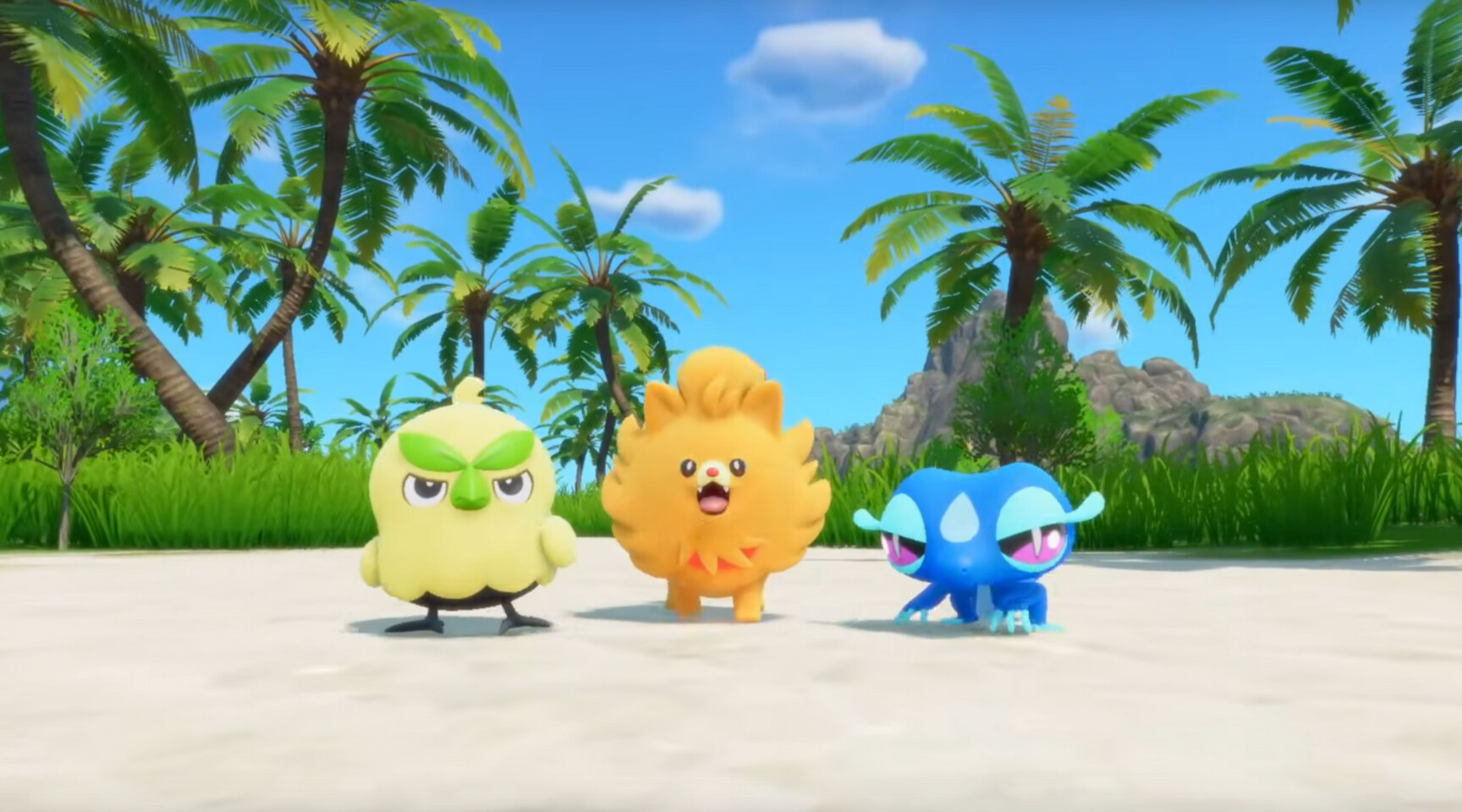
Unlike previous entries, these titles appear designed to leverage the Switch 2’s unspecified hardware upgrades, including a rumored 120 Hz display and improved performance metrics. The reveal trailer, though not showing actual gameplay, teases Generation 10 starters—Browt (Grass), Pombon (Fire), and Gecqua (Water)—alongside biomes like oceans, grasslands, and dungeons. A glimpsed island resort area suggests tropical themes, but no details on open-world mechanics or multiplayer have been confirmed.
The announcement raises questions about whether the original Switch or OLED models will receive these games later, or if they’re strictly tied to the new console’s ecosystem. Nintendo has historically avoided major exclusives for older hardware, leaving developers and fans to speculate about backward compatibility—or its absence.
Key specs (if confirmed)
- Display: 120 Hz (rumored, no official confirmation)
The lack of concrete technical details leaves room for skepticism. While the 120 Hz display is a common benchmark in modern handhelds, its real-world impact on Pokémon games—particularly in terms of frame consistency versus actual resolution—remains unproven. Nintendo’s past transitions have shown that hardware upgrades don’t always translate to immediate gameplay innovation.
For developers, this move could signal a shift toward more demanding titles optimized for the Switch 2’s architecture. Whether that means deeper AI integration, expanded textures, or new mechanics is still unclear. The bigger question: will Winds and Waves set a new standard for Pokémon games, or will they follow the familiar formula with incremental improvements?
What to watch: Pricing (expected to reflect memory shortages), launch timing (likely late 2027), and whether backward compatibility becomes a moot point.