The Nintendo Switch 2 is no longer just a rumor; it’s becoming a reality that could reshape how gamers experience titles like Super Mario and Star Fox. While Nintendo has kept much under wraps, enough clues have surfaced to begin piecing together what this console might offer—and more importantly, where it stands in the evolution of hybrid gaming.
One common assumption is that the Switch 2 will focus on raw performance, particularly for data-heavy workloads like AI-driven graphics or multiplayer sessions. But unlike past iterations, which prioritized portability and battery life, this version may prioritize longevity. The question isn’t just whether it’s faster—it’s whether it can sustain that speed over time without sacrificing the Switch’s signature flexibility.
- Key specs:
- Display: 7-inch LCD (estimated), likely with a higher resolution than the original.
- Performance: Upgraded chipset, possibly leveraging more advanced manufacturing for better efficiency.
- Memory: More RAM to handle complex AI workloads or larger game assets.
- Storage: Expandable storage options, potentially including a slot for higher-capacity cartridges.
- Battery life: Improved but not drastically—likely around 4.5 to 6 hours per charge, depending on usage.
The original Switch was a marvel of its time, balancing portability and performance in ways no other console could. The Switch 2, if it follows suit, will need to do the same—but with an eye toward future-proofing. That means not just faster frame rates or better graphics, but also smarter power management to keep games running smoothly during long sessions.
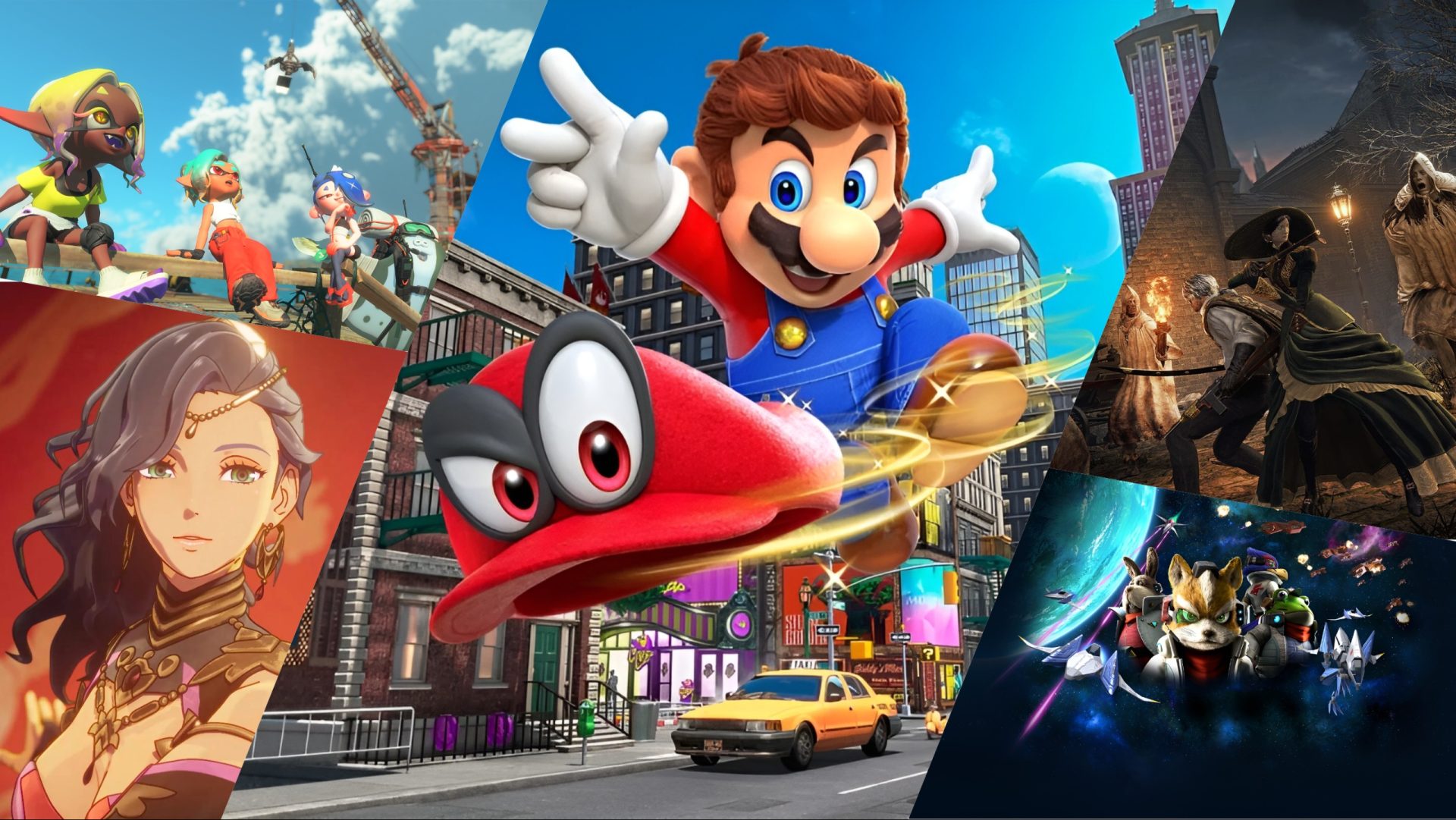
For developers, this could mean a shift in how they approach game design. Titles like Super Mario have always been optimized for the Switch’s strengths, but with more memory and processing power, they might incorporate deeper AI elements—like dynamic environments that adapt to player choices in real time. The challenge will be ensuring these features don’t come at the cost of battery life or portability.
The biggest unknown remains pricing and availability. If past trends hold, Nintendo may not rush this iteration, opting instead for a measured rollout that ensures both hardware and software are polished. For gamers, the focus should be on what this console could unlock—not just in terms of performance, but in redefining how hybrid gaming evolves over the next decade.