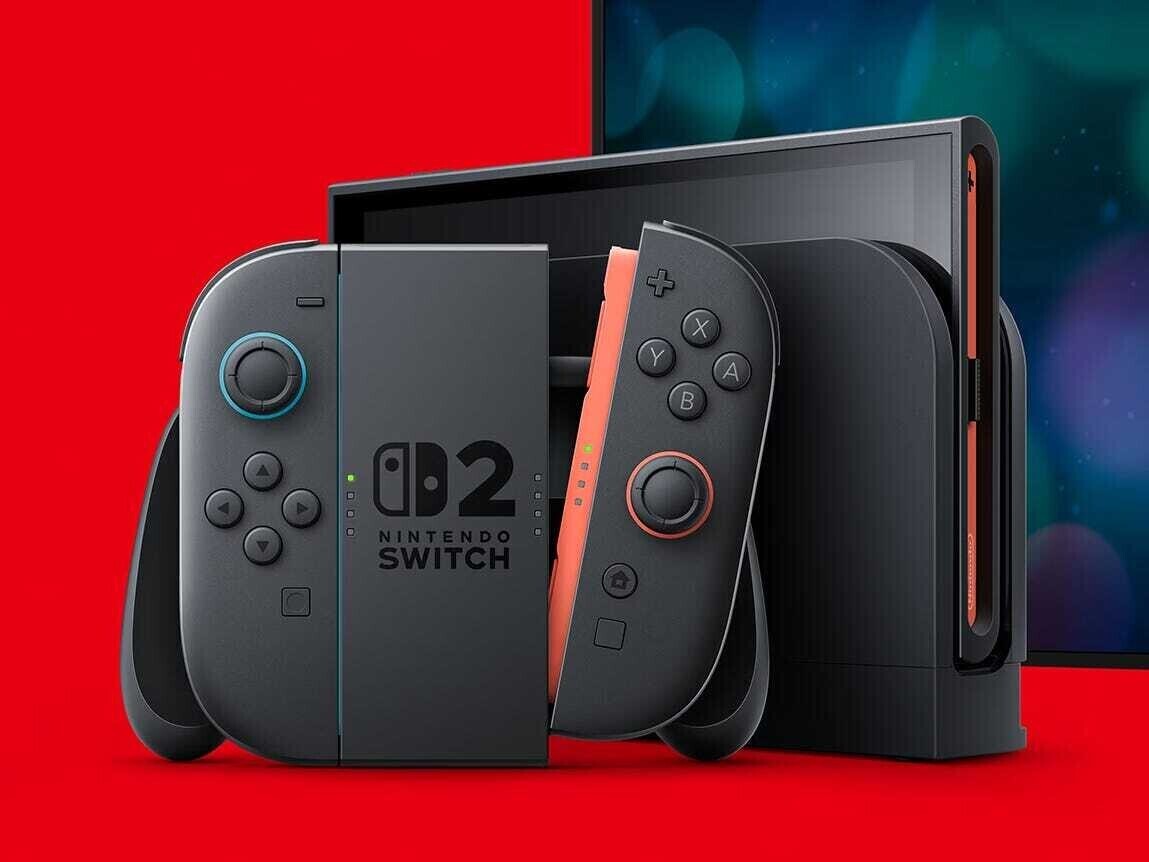
Nintendo's Switch 2 is caught in a perfect storm of economic pressures that could force a significant price hike, according to market research firm Niko Partners. The report suggests that the $449 base model might disappear entirely, replaced by bundles starting at $499 or higher—a shift that would mark a substantial increase for consumers.
This potential price adjustment comes as U.S. tariffs, soaring memory component costs, and broader economic instability squeeze Nintendo's margins. The situation mirrors recent trends seen with Sony and Microsoft, both of which have raised console prices post-launch due to similar pressures. While Nintendo has managed to keep the Switch 2's launch price stable for now, accessory costs have quietly climbed, indicating that suppliers are already absorbing higher expenses.
The core issue lies in the rising cost of critical components. Last December alone saw a 41% increase in the price of 12 GB LPDDR5X modules, while 256 GB NAND flash storage rose by around 8%. These cost spikes are not isolated; they reflect a broader trend affecting the tech industry, where DRAM and NAND prices have surged due to high demand and supply constraints. For Nintendo, absorbing these costs alone is no longer viable, leaving little choice but to pass them on to consumers.
If the Switch 2's price does rise, it will be part of a larger wave of increases sweeping through the gaming industry. Other manufacturers, including AMD and ASUS, have already announced or are considering similar adjustments due to memory shortages and economic instability. The coming weeks will reveal whether these projections translate into reality for Nintendo, but one thing is clear: the console's affordability is under threat like never before.