Nintendo’s leadership has made it clear: despite industry-wide volatility in memory pricing, the Switch 2’s launch price of $499 will not be adjusted in the near term. The decision reflects a deliberate strategy to prioritize platform adoption and long-term sales momentum over short-term cost fluctuations, even as the tech sector grapples with persistent RAM shortages.
Speaking during Nintendo’s latest financial review, President Shuntaro Furukawa emphasized that any price adjustments would hinge on a broader assessment of market conditions, software performance, and hardware adoption—not just raw material costs. The stance contrasts with recent moves by other hardware manufacturers, who have passed on rising component expenses to consumers.
The Switch 2’s strong debut—with 17.37 million units sold in its first year—underscores Nintendo’s confidence in its ability to sustain demand. While rising RAM prices could eventually strain margins, the company appears poised to absorb those costs temporarily, leveraging software sales and accessory revenue to offset potential losses. Furukawa’s remarks suggest that for now, Nintendo is treating the current memory crunch as a transient phase rather than an irreversible trend.
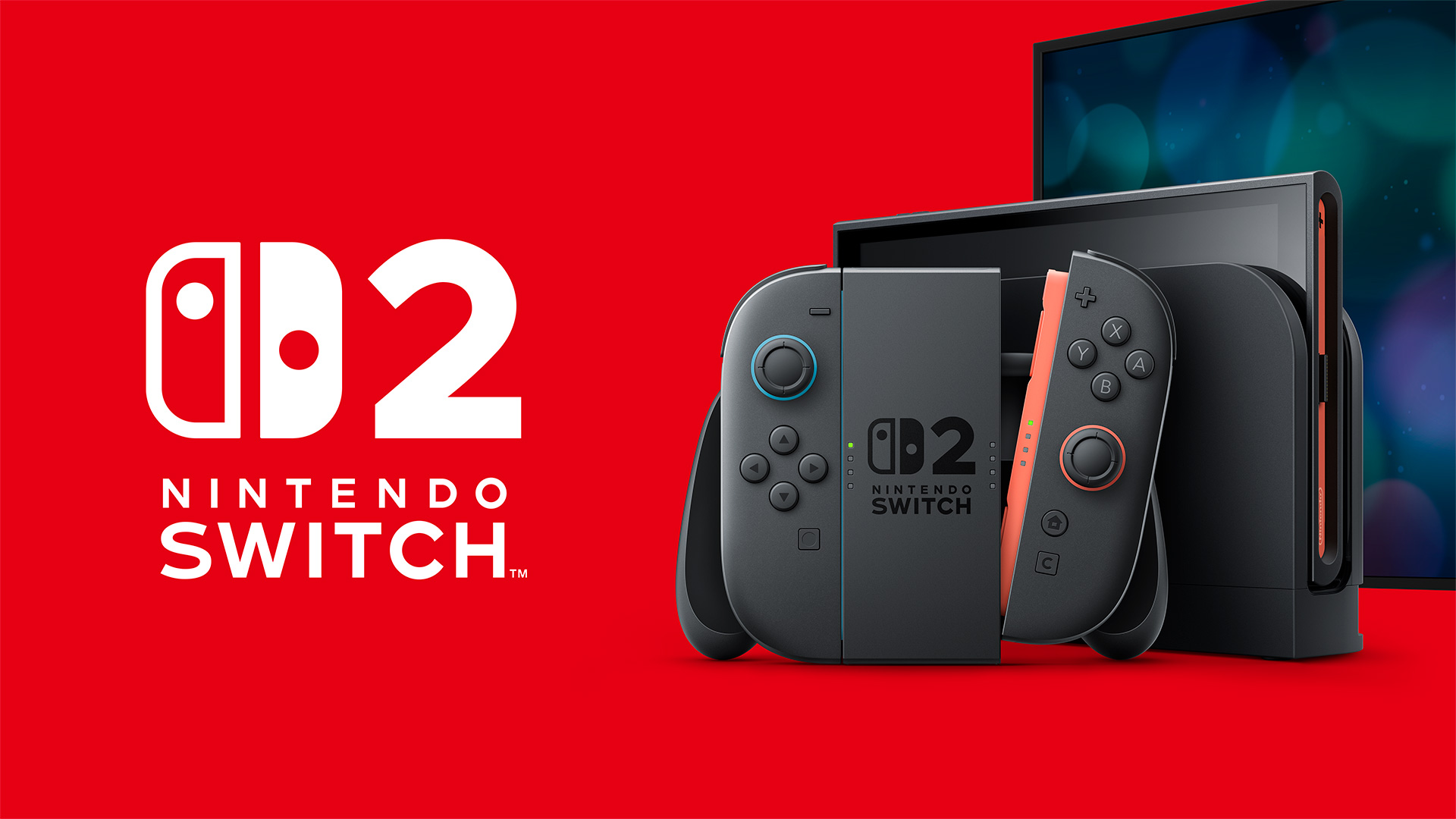
Yet the company is not ruling out future changes. Price stability today does not guarantee permanence. Nintendo’s approach hinges on monitoring both hardware sales trends and the broader economic landscape, with profitability serving as a secondary consideration to maintaining the console’s accessibility.
- The Switch 2’s $499 price remains unchanged for now.
- Nintendo will evaluate price adjustments based on sales trends, platform adoption, and market conditions—not just RAM costs.
- Software and accessory revenue may help offset hardware cost pressures.
- No timeline has been set for potential future price changes.
The decision reflects a calculated gamble: by keeping the Switch 2 affordable, Nintendo aims to lock in a loyal user base, ensuring that even if hardware costs rise, the ecosystem’s growth can compensate. For players, the message is clear—hold onto those savings. For competitors, it’s a reminder that pricing strategy in hardware remains as much about psychology as profit margins.