The latest NerdioCon event has spotlighted two key areas: the evolution of Azure Virtual Desktop (AVD) and Windows 365, particularly in how AI is being woven into these platforms. For creators and IT teams, the conversation isn't just about raw performance but how efficiently that performance can be delivered—especially when thermal constraints and power consumption become critical factors.
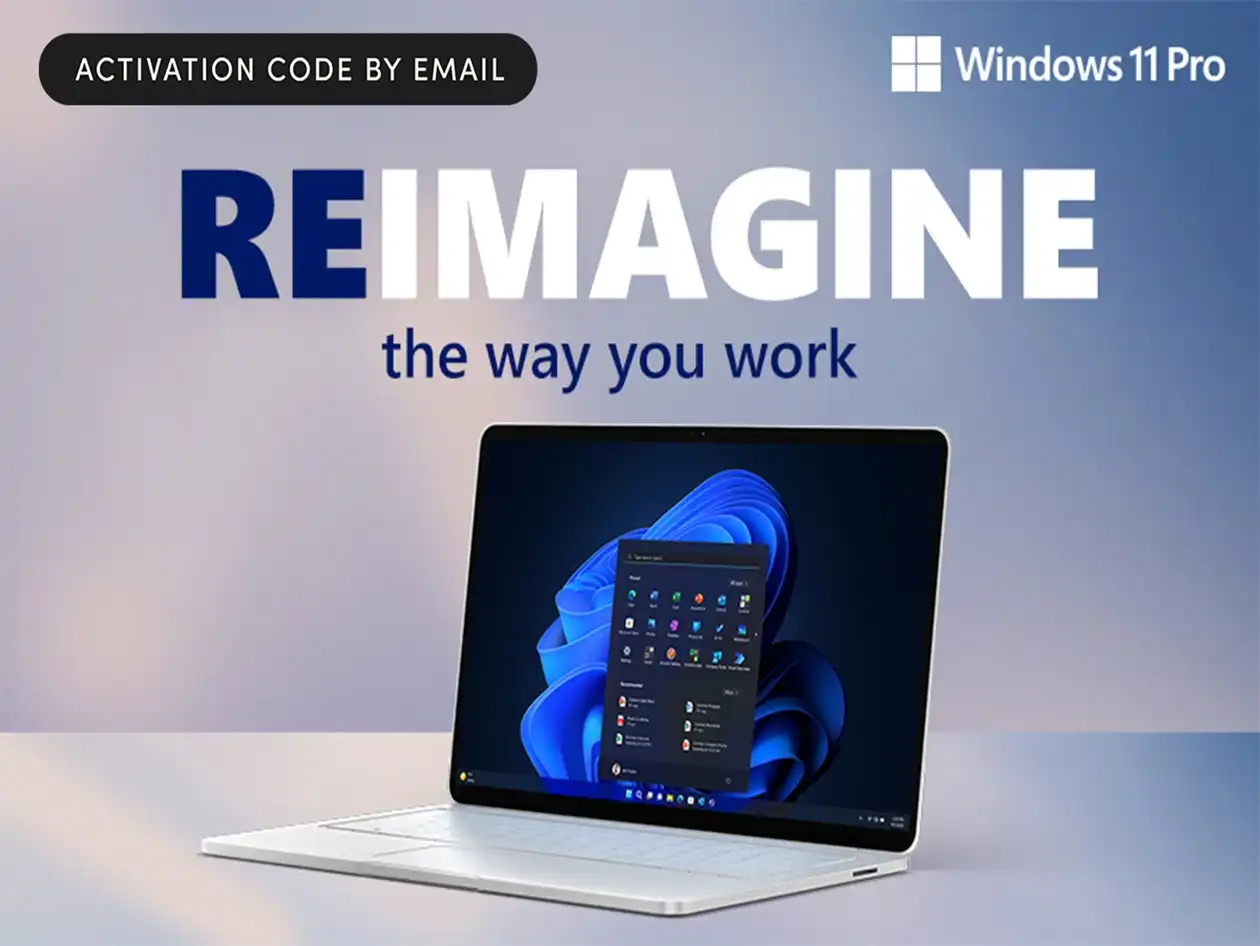
Windows 365, now in its third generation, has introduced a new tier designed to balance cost and capability for users who need cloud-based desktops without the overhead of traditional workstations. This isn't just an incremental upgrade; it's a shift toward more modular, scalable solutions that can adapt to workloads without sacrificing performance.
Performance-per-Watt: The New Benchmark
One of the standout themes from the event is the emphasis on performance-per-watt efficiency. For creators working with high-end graphics or AI-driven workflows, thermal management has become a non-negotiable constraint. Modern GPUs and CPUs are pushing boundaries in computational power, but that power comes at a cost—literally. The new Windows 365 tier addresses this by optimizing resource allocation, ensuring that users get the best possible performance without the usual trade-offs of heat or power consumption.
This isn't just about hardware; it's also about software-level optimizations. Azure Virtual Desktop, for instance, has seen improvements in how workloads are distributed across cloud instances. For example, certain AI workloads can now be offloaded more efficiently, reducing the need for over-provisioning and cutting operational costs. This is particularly relevant for teams that rely on GPU-accelerated tasks like rendering or machine learning.

Who Benefits Most?
- Creators and content producers who work with high-resolution assets or AI tools will see the most immediate impact, as the new tier reduces latency and improves responsiveness in cloud-based environments.
- IT teams managing virtual desktops will benefit from streamlined deployment options, including support for multi-session scenarios where multiple users share a single GPU instance without degradation in performance.
- Enterprises with hybrid workflows—those that blend on-premises and cloud resources—will find new flexibility in how they allocate workloads, thanks to tighter integration between Windows 365 and Azure services.
The event also hinted at future developments where AI will play an even larger role in optimizing virtual desktop environments. For now, the focus is on making these platforms more efficient, but the long-term vision suggests that AI could eventually automate workload distribution, further reducing the need for manual tuning.
What to Watch
The next phase of this evolution will likely center on pricing and availability. While the new Windows 365 tier is already available in preview, widespread adoption will depend on how Microsoft balances cost with performance. For creators, this means keeping an eye on updates that could further refine how these platforms handle AI workloads—especially as more tools emerge that rely on cloud-based acceleration.