MSI has set its sights on a future where display technology and artificial intelligence converge to streamline creator workflows. At this year’s Computex, the company introduced three distinct monitor lines—each targeting different segments of the market with significant leaps in panel technology and smart features.
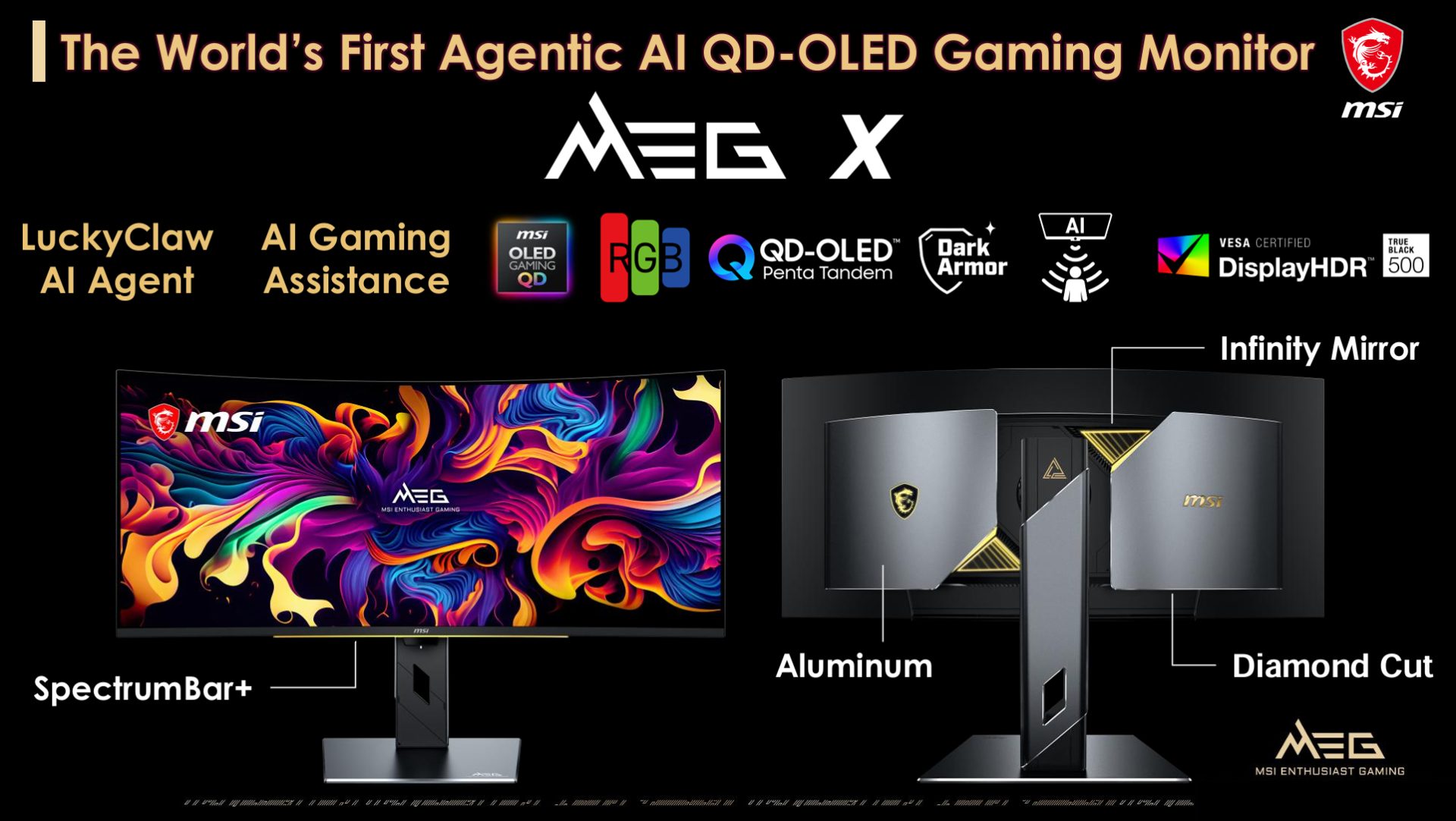
The centerpiece is the fifth generation of MSI’s Penta Tandem QD-OLED lineup, promising a 5K resolution experience with improved brightness handling. Alongside it, new glossy Mini-LED monitors aim to deliver superior contrast and color accuracy for high-end content creation. Completing the trio is LuckyClaw AI, an integrated toolset designed to automate repetitive tasks, though its exact capabilities remain speculative at this stage.
For creators, the operational cost of producing high-quality visuals has long been a hurdle. MSI’s strategy appears to tackle this head-on by combining cutting-edge display tech with AI-driven efficiency. However, questions linger about how these tools will integrate into existing workflows and whether they can deliver on their promises without introducing new complexities.
Display Tech: A Competitive Edge or a Niche Play?
The Penta Tandem QD-OLED monitors represent MSI’s latest attempt to position itself as a leader in premium display technology. Previous generations have already pushed the envelope with features like 10K resolution and high refresh rates, but this year’s focus on 5K resolution suggests a shift toward balancing performance with practicality.
- Penta Tandem QD-OLED: 5K resolution, enhanced brightness control, and improved color volume for HDR content creation.
- Glossy Mini-LED: Aims to combine the best of glossy and matte finishes, offering higher contrast ratios while maintaining smooth surfaces for touch-sensitive workflows.
These monitors are not without challenges. The transition from OLED to QD-OLED has already proven complex, with issues like burn-in and longevity still under scrutiny. Meanwhile, the glossy Mini-LED approach is a relatively untested market segment, leaving room for skepticism about its real-world performance.
AI Integration: LuckyClaw’s Potential and Pitfalls
LuckyClaw AI is where MSI’s strategy becomes particularly intriguing—and potentially risky. The idea of embedding AI directly into monitors to automate tasks like color grading, background removal, or even basic video editing is not entirely new, but its execution remains unproven.
- Automated Workflows: LuckyClaw is said to handle repetitive tasks, though details on accuracy and reliability are scarce.
- Integration Challenges: AI tools in monitors risk becoming gimmicky if they don’t seamlessly fit into existing software ecosystems like Adobe Suite or DaVinci Resolve.
The bigger question is whether LuckyClaw can deliver tangible benefits without adding unnecessary overhead. Creators already juggle multiple tools; integrating yet another layer of AI, even if promising, could complicate workflows rather than simplify them.
Market Adoption: A Cautiously Optimistic Outlook
MSI’s move to combine advanced display tech with AI hints at a broader industry trend—one where hardware and software blur into a single, cohesive experience. Whether this will resonate with creators depends on execution and adoption.
- Display Tech: If the Penta Tandem QD-OLED and glossy Mini-LED monitors live up to their promises, they could set new benchmarks for creator-friendly displays.
- AI Integration: LuckyClaw’s success hinges on its ability to integrate smoothly without disrupting established workflows. Early adopters will be key in determining its long-term viability.
The most critical change here is the shift toward AI-driven efficiency in monitors. If successful, this could redefine how creators interact with their tools, reducing operational costs and increasing productivity. But for now, it remains a cautious bet—one worth watching as MSI navigates the fine line between innovation and overpromising.