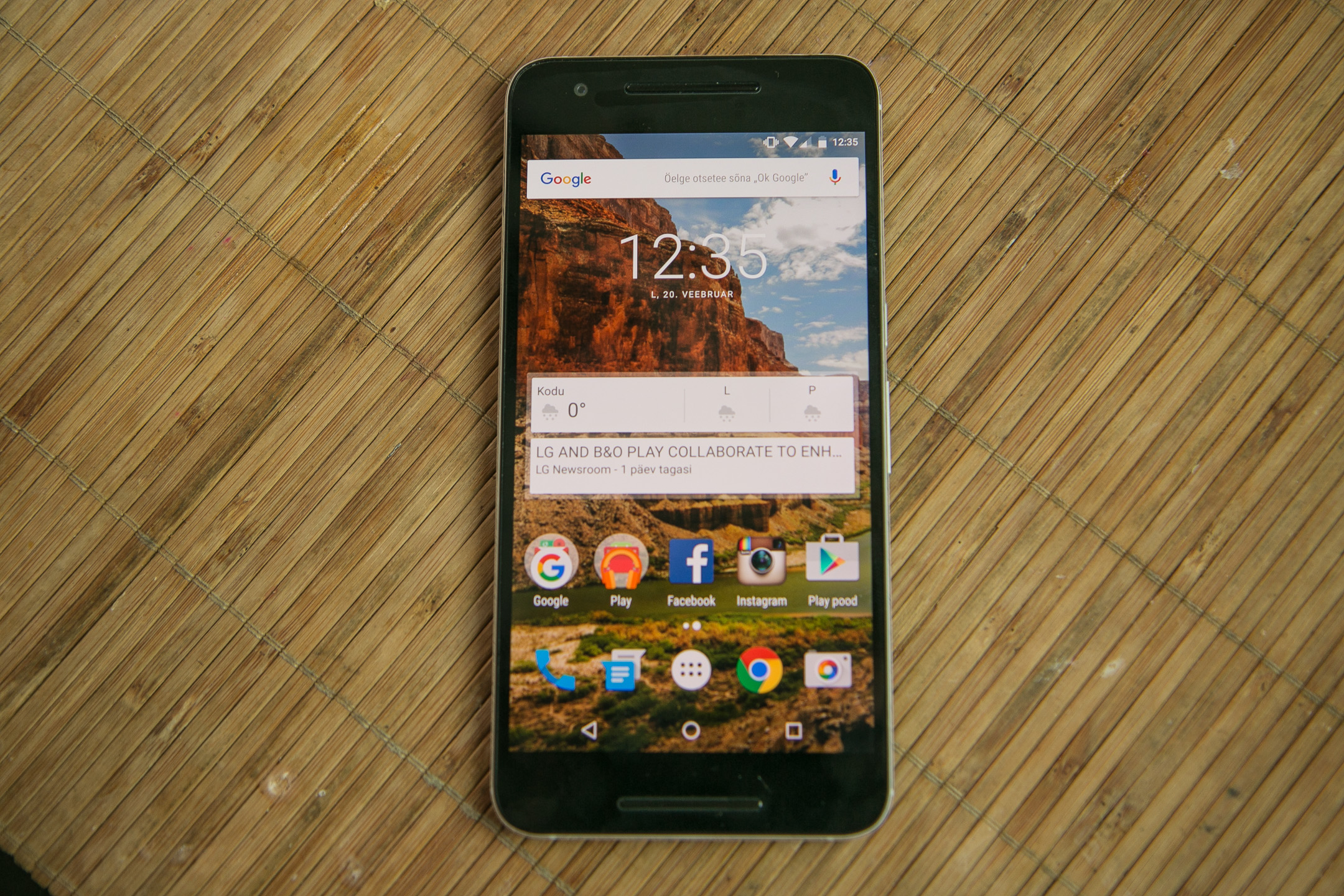
Motorola has reintroduced the Moto G Play (2026) into its smartphone portfolio, marking its first appearance since skipping the 2025 model cycle. Launched alongside the Moto G (2026), this version adopts a more stripped-down approach while retaining key specifications such as a 4GB RAM configuration and a 30W charging system—though it trades down to 18W for the Play variant.
The device is designed with a practical mindset, offering a 50MP main camera on its sibling but scaling back to 32MP for the G Play, accompanied by an 8MP selfie shooter. Storage options are also more limited, with the G Play starting at 64GB compared to the 128GB found in the Moto G (2026). Despite these compromises, Motorola’s signature leather-like back panel and a single USB cable in the box reflect its commitment to both durability and cost-conscious packaging.
The phone arrives in Pantone Tapestry, a playful blue hue that contrasts with cyan UI accents, creating a visually distinct yet understated aesthetic. Its plastic frame is functional rather than premium, but it avoids the perception of cheapness, striking a balance between affordability and usability.
This version of the Moto G Play (2026) is priced at $899, positioning it as a mid-tier option in Motorola’s lineup. While it lacks some of the high-end features found in its more expensive counterparts, its straightforward design and reliable performance make it an attractive choice for users seeking a no-nonsense smartphone without unnecessary frills.

Key Specifications
- Display: Not specified (likely similar to Moto G 2026)
- Chipset: Not specified (likely same as Moto G 2026)
- Memory: 4GB RAM, 64GB storage
- Battery: 5000mAh (estimated based on Moto G 2026)
- Charging: 18W wired charging
- Cameras: 32MP main, 8MP selfie
- Connectivity: 5G support (confirmed for Moto G Play 5G)
- Ports: Single USB-C port
- Pricing: $899 (64GB/4GB RAM variant)
The Moto G Play (2026) is a testament to Motorola’s ability to deliver solid performance at an accessible price point. Its trade-offs in camera resolution and charging speed are justified by its lower cost, making it ideal for users who prioritize battery life and basic functionality over cutting-edge features. While it may not compete with flagship models, it carves out a niche in the budget segment, offering reliability without excessive complexity.
Market Positioning
Motorola’s strategy with the Moto G Play (2026) reflects a broader trend in the smartphone industry, where manufacturers are increasingly catering to users who demand value over premium features. By scaling back on storage and camera capabilities while maintaining core performance, Motorola ensures that this device remains competitive in the mid-tier market without alienating budget-conscious buyers.
As the Moto G Play (2026) enters the market, it joins a growing lineup of devices that prioritize affordability and practicality. Whether it succeeds in capturing significant market share remains to be seen, but its straightforward approach aligns with Motorola’s reputation for delivering reliable, no-frills hardware.