A standard office setup—multiple screens, a tower of peripherals, and a single Bluetooth speaker for meetings—has quietly become a vector for cyber risk. The latest discovery centers not on the usual suspects like keyboards or USB drives, but on a speaker designed for professional environments, where seamless audio is critical yet security remains an afterthought.
Researchers have identified a flaw that, if exploited, could grant attackers unauthorized access to a PC through its Bluetooth connection. The vulnerability does not require physical proximity; it operates within the typical range of wireless peripherals found in modern workspaces. That’s the upside—here’s the catch: the speaker is widely deployed in corporate settings where IT teams prioritize functionality over security audits.
- A Bluetooth-based attack path that does not necessitate pairing or user interaction once the device is connected to a system.
- The vulnerability affects both Windows and macOS, though mitigation steps differ slightly between platforms.
- No known exploits exist in the wild, but proof-of-concept code has been shared privately with the manufacturer for patching.
The speaker in question, part of a professional audio line, is built around 10-watt output and supports dual-zone Bluetooth streaming—a feature common in collaborative environments. Its design emphasizes durability and connectivity, but those very features may now be points of concern for IT security officers.
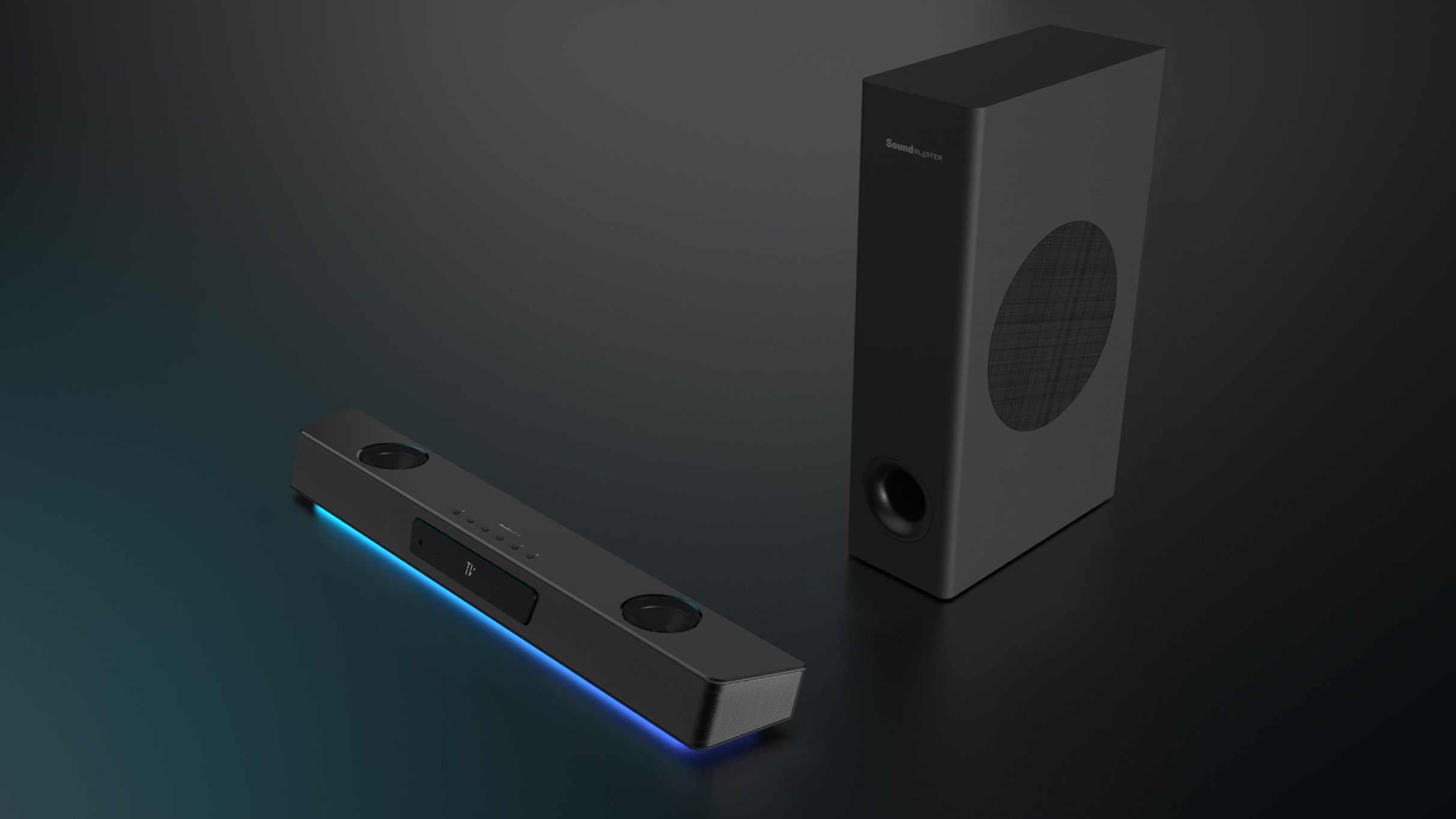
Why it matters: In an era where BYOD policies blur the lines between personal and corporate devices, peripherals like this speaker can become unexpected weak points. A single compromised peripheral in a shared workspace could propagate across multiple systems if not isolated properly. The risk is compounded by the fact that Bluetooth audio devices are often overlooked in security training, assuming they pose minimal threat compared to network-attached hardware.
What to watch next: The manufacturer has issued a firmware update to address the vulnerability, but adoption will depend on how quickly IT departments integrate patches into their asset management systems. For teams managing mixed ecosystems—Windows, macOS, and Linux—the challenge lies in ensuring consistent deployment without disrupting workflows. Those who benefit most from swift action are organizations with centralized patch management; others may face a period of heightened risk while updates propagate.
For now, the advice remains simple: treat every connected device as a potential entry point, not just the ones that traditionally draw scrutiny.