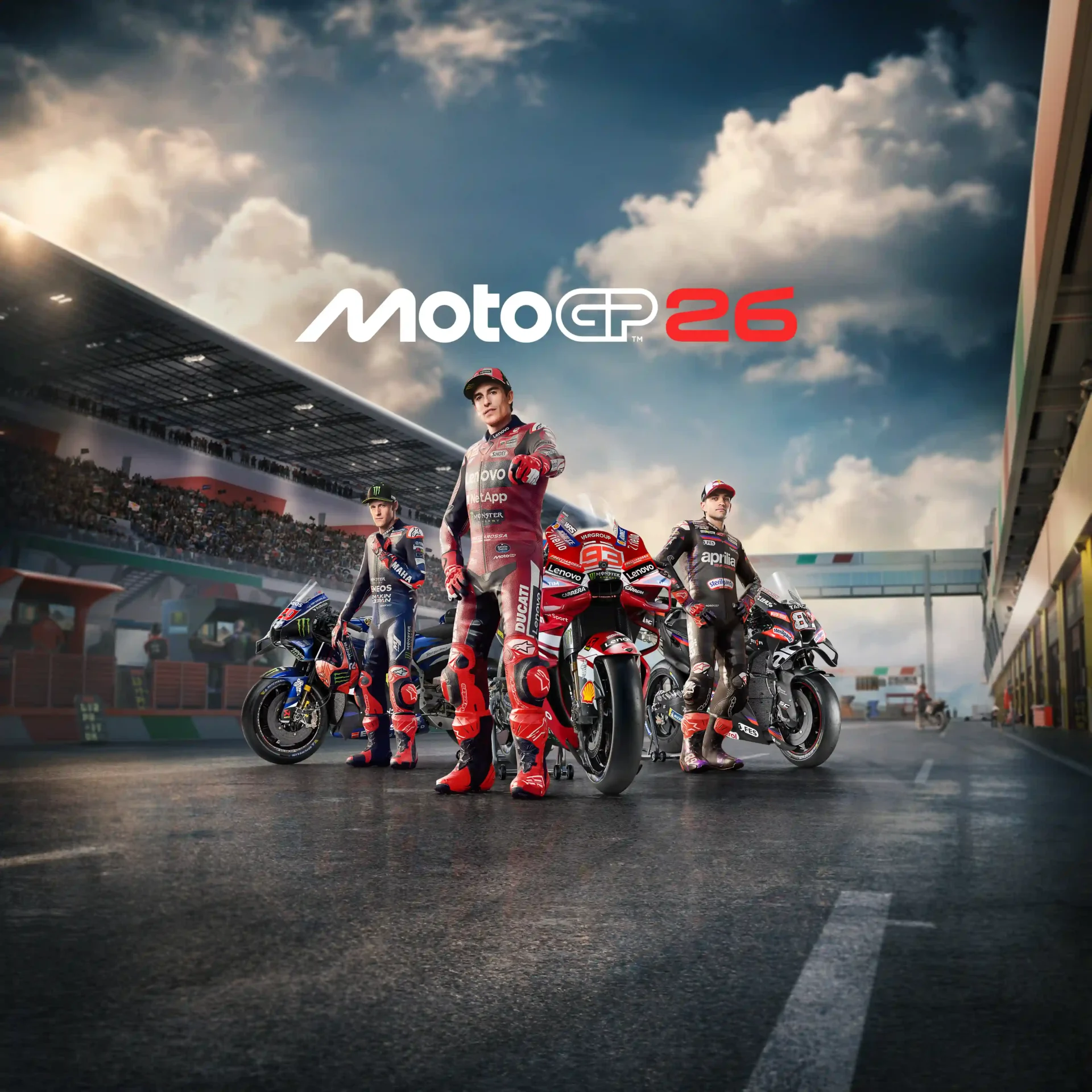
The MotoGP 26 isn’t just another evolution—it’s a full-scale reimagining that reshapes what it means to ride at the edge of performance. Experienced riders are being asked to unlearn decades of muscle memory, as the new machine introduces handling dynamics that feel both familiar and entirely foreign. This isn’t incremental progress; it’s a fundamental shift in how power is channeled, heat is managed, and precision is achieved on two wheels.
At its core, the MotoGP 26 addresses one of the most critical challenges in high-performance machinery: balancing raw output with thermal efficiency. The previous generation already pushed the envelope, but the 26 takes that to a new level. By rethinking the distribution of power across key systems—engine, suspension, and electronics—the developers have created a machine that demands more from its rider while delivering measurable gains in performance-per-watt. For small businesses relying on such machinery, this means a tighter margin between cost and capability, where every watt saved translates to longer uptime and lower operational expenses.
What stands out is the way thermal management has been integrated into the design. Traditional cooling systems often add bulk or require trade-offs in handling. The 26, however, embeds liquid-cooled components so seamlessly that they become an extension of the chassis itself. This isn’t just about keeping temperatures down—it’s about maintaining stability under load. Riders report that the bike doesn’t just feel cooler; it feels more responsive, as if the machine is working in harmony rather than against itself.
The changes extend beyond thermals to the way power is delivered. The previous model relied on a high-revving, aggressive setup that favored raw speed at the cost of consistency. The 26 smooths out those peaks and valleys, offering a more linear powerband that rewards technique over brute force. This shift has ripple effects: less fatigue for riders, longer durability for components, and a steadier performance curve that small businesses can rely on without constant adjustments.
For those used to the old guard of MotoGP bikes, the transition isn’t immediate. The new geometry and weight distribution require a different approach to cornering—one that prioritizes fluidity over aggression. Veterans in the sport are openly acknowledging that they’ve had to rethink every turn, not just for speed but for control. This is where the 26’s redesign becomes a double-edged sword: it unlocks new levels of precision, but only if the rider is willing to adapt.
So what does this mean in practice? For small businesses investing in high-performance equipment, the MotoGP 26 represents a pivotal moment. The trade-off between performance and efficiency isn’t just theoretical—it’s tangible. If the previous generation was about pushing limits, the 26 is about refining them. The question now is whether riders can master this new language of handling before the next evolution arrives.
The confirmed details paint a clear picture: the MotoGP 26 features a redesigned chassis with integrated liquid cooling, a power distribution system that prioritizes stability over raw output, and a geometry that demands technical precision. What’s still unconfirmed is how quickly the broader market will adopt these changes—and whether the benefits in efficiency will outweigh the learning curve for businesses used to older paradigms.