chip development has entered an era of hyper-competition, where each new generation must not only outperform predecessors but also navigate a landscape of heightened expectations. MindEye's latest offering attempts to do both with what appears to be serious engineering under the hood, yet its journey from benchmarks to adoption faces unexpected headwinds. The product itself is undeniably capable on paper—boasting performance metrics that rival established players—but the story surrounding it has become as contentious as the technology itself.
- Performance: 2.4 TOPS AI compute, 1.8 GHz clock speed, optimized for mixed-precision workloads
- Power Efficiency: 30% lower TDP than competitors at equivalent performance
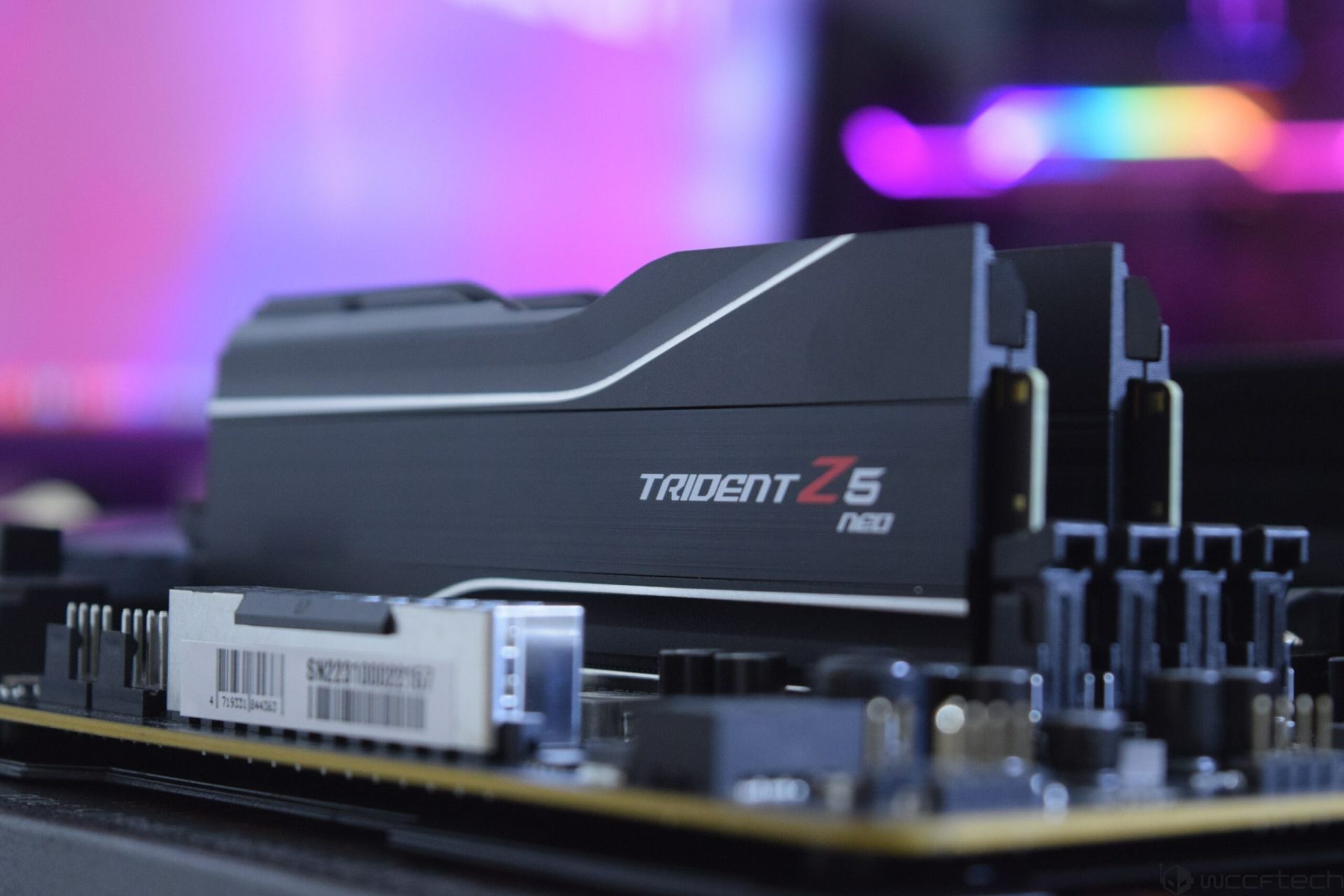
- Memory Support: Dual-channel DDR5-4800 with integrated HBM2e for high-bandwidth scenarios
- Connectivity: PCIe 4.0 x16, dual 100Gb Ethernet ports, NVMe SSD support
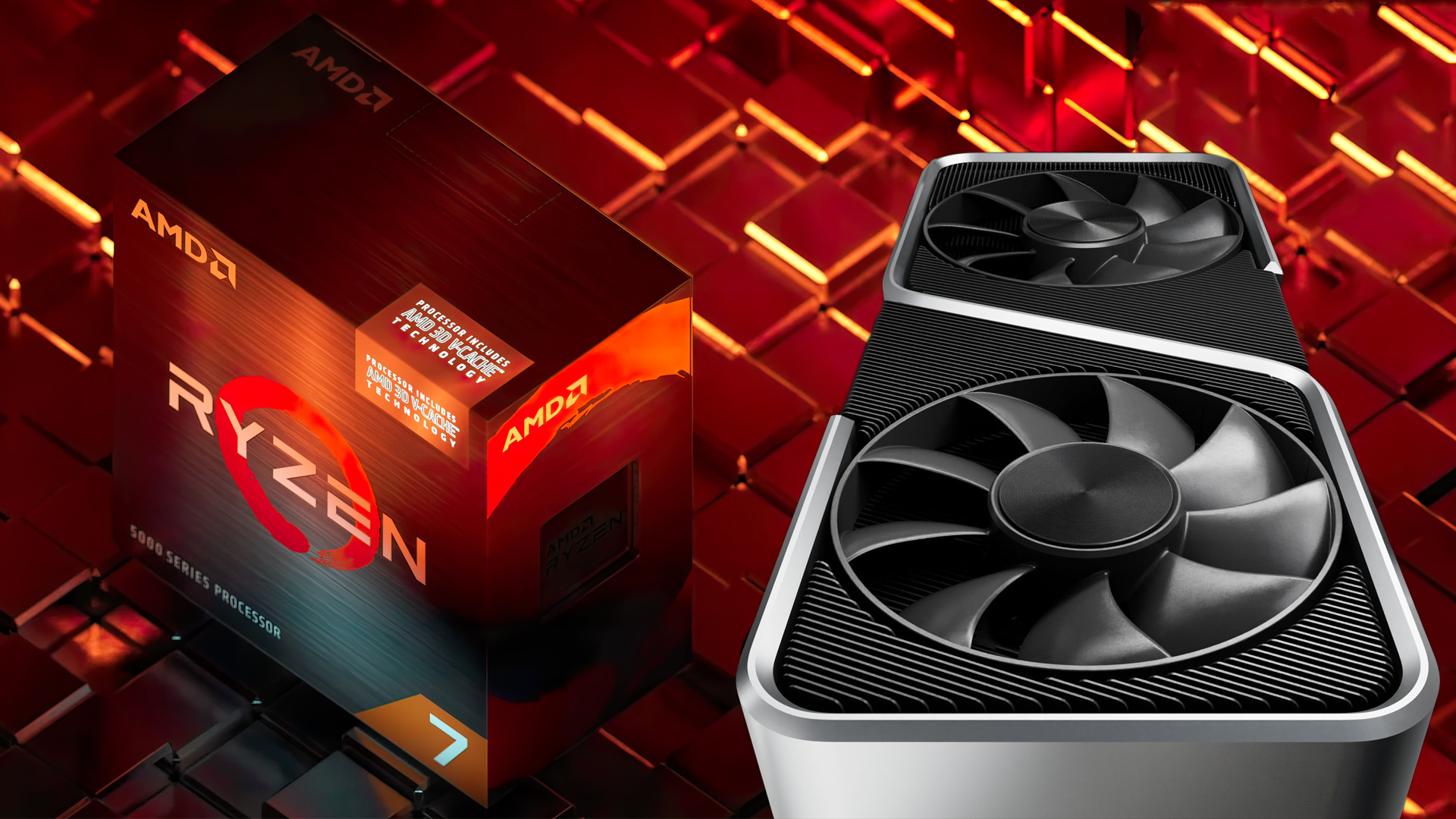
The chip's technical specifications suggest it was designed with data center workloads in mind, particularly those requiring low-latency inference and training acceleration. Its power efficiency claims put it in direct competition with NVIDIA's H100 and AMD's Instinct MI300X, though its market positioning as a 'disruptor' rather than an incremental upgrade has drawn scrutiny. Industry analysts note that while the hardware checks conventional boxes, MindEye's insistence on framing this as a paradigm shift—rather than another evolutionary step—may alienate potential customers who prefer proven stability over bold promises.

One of the most intriguing aspects of this launch is its timing. In an market dominated by established players, MindEye has chosen to enter with what appears to be a high-risk strategy: positioning itself as both a performance leader and a cost-effective alternative. Whether this gamble pays off depends less on raw specifications than on how quickly it can demonstrate real-world reliability. The coming benchmarks will be crucial, but equally important is whether the company can move beyond technical specs to establish trust—a challenge that has tripped up more than one ambitious newcomer.
Regardless of its ultimate market fate, MindEye's AI chip represents a genuine engineering achievement. Its ability to balance performance with power efficiency suggests it was built with future-proofing in mind. The question now is whether the industry will view this as a necessary innovation or merely another example of hype outstripping substance. As competitors watch closely, the next 12 months will determine if this chip becomes a footnote in AI history or a turning point that reshapes the landscape.