Microsoft is refining a feature that could fundamentally change how users interact with their devices. The tech giant has quietly expanded its Cross-Device Resume capability in Windows 11, allowing users to pick up Android apps exactly where they left off—whether transitioning from a smartphone to a PC or vice versa. This isn’t just about continuity; it’s about seamless workflow integration, bridging the gap between mobile and desktop experiences.
The update marks a significant evolution from earlier tests, which focused primarily on Spotify playback. Now, Microsoft is testing support for a broader range of applications, including Microsoft Office suite documents and active web browsing sessions. The feature is currently accessible to Windows Insiders in the Release Preview channel, with builds 26100.7701 and 26200.7701 required for testing.
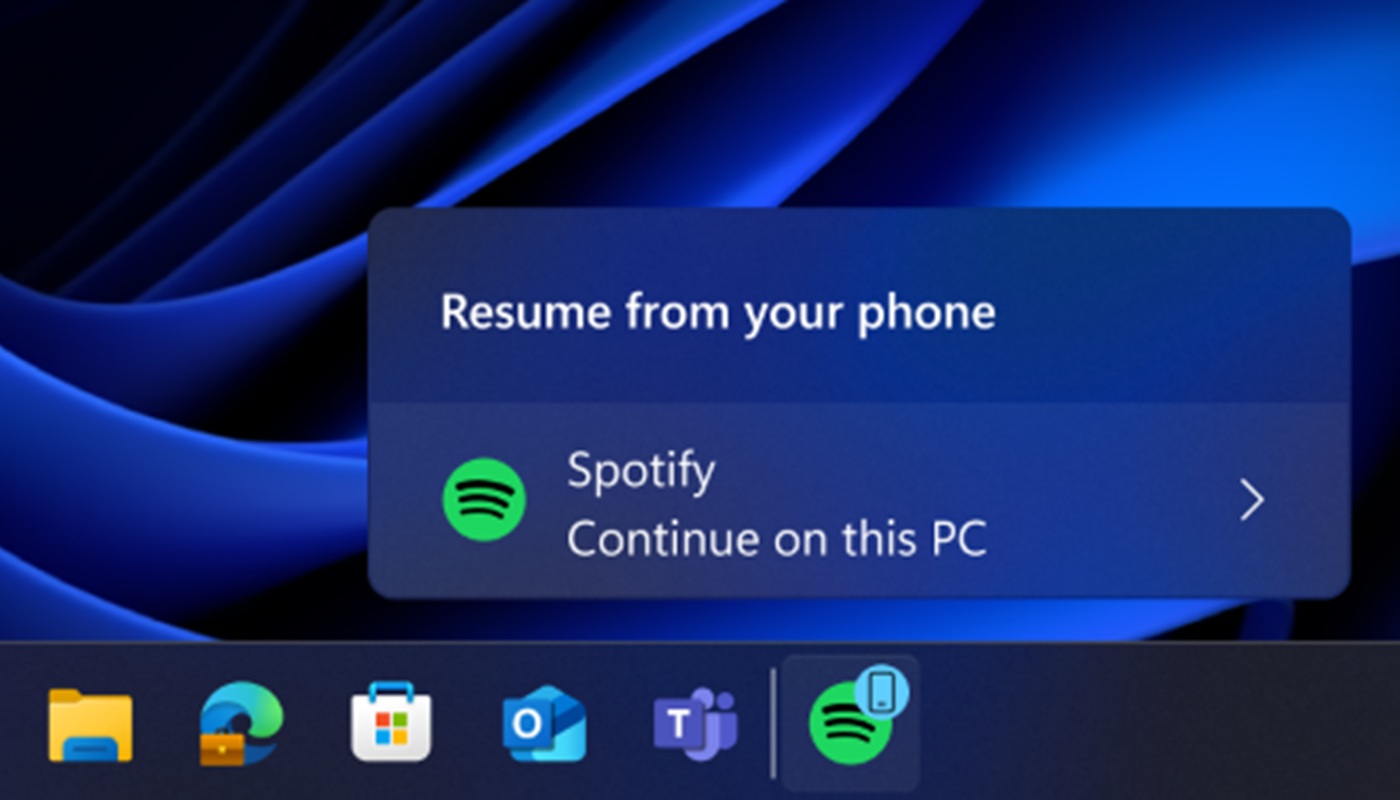
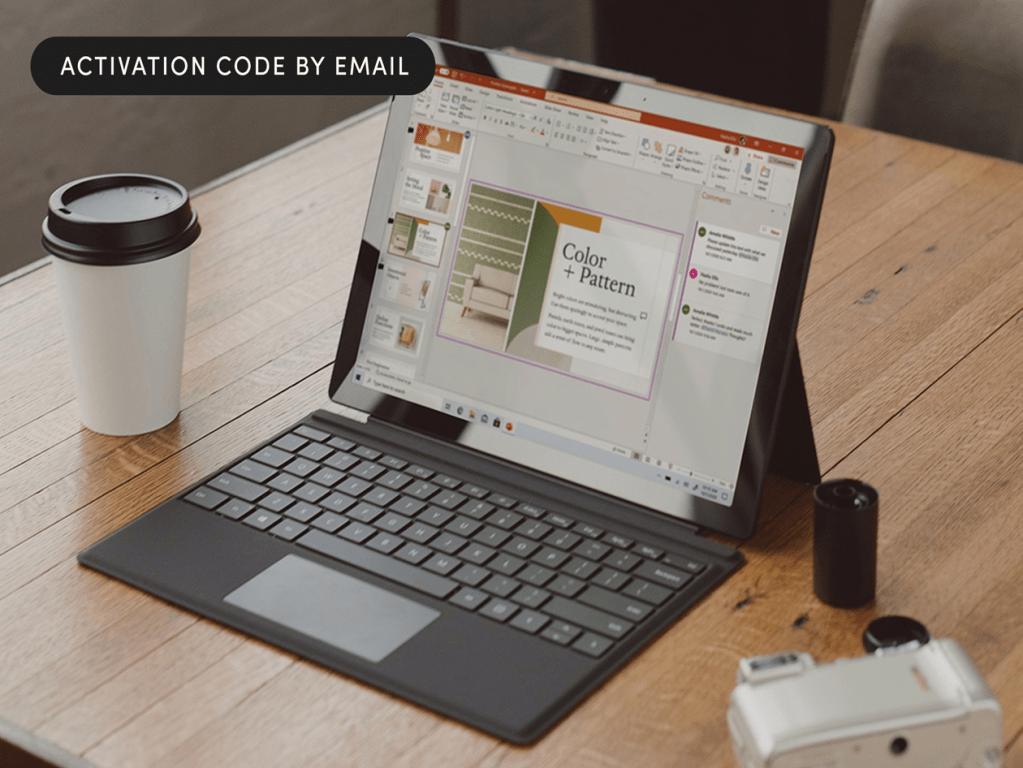
- App Continuity: Resume Spotify playback, Office files (Word, Excel, PowerPoint), and active browser tabs across devices.
- Copilot Cloud Sync: Access cloud-stored files from the Copilot mobile app on supported Android devices (Samsung, Xiaomi, Oppo, Vivo, Honor) directly on Windows 11.
- Platform Support: Works with select Android brands, ensuring compatibility beyond basic Android functionality.
- Insider Access: Available now in Release Preview builds; public launch timeline not yet confirmed.
For power users juggling multiple devices, this feature could streamline productivity. Imagine opening a document on your phone during a commute and finishing it on your PC without missing a beat—or picking up a music playlist where it left off. However, the lack of a confirmed public release date leaves room for speculation about broader adoption and potential limitations, such as app-specific support or latency in syncing.
Microsoft’s push toward deeper Android integration aligns with its broader strategy to unify its ecosystem. While the feature is still in testing, its inclusion in Insider builds suggests a deliberate push toward a more cohesive cross-device experience—one that could redefine how users transition between their mobile and desktop environments.